Resedaceae
White Mignonette (Reseda alba) Care Guide
Reseda alba
Give white mignonette full sun (light afternoon shade in hot climates), water when the topsoil dries out, and plant it in loose, well-draining, humus-rich soil. It is low-maintenance and rarely troubled by pests or diseases as long as air circulation is good.
Every 7 days
Direct sun
10° - 25°C
40% - 60%
Categories
What is White Mignonette?
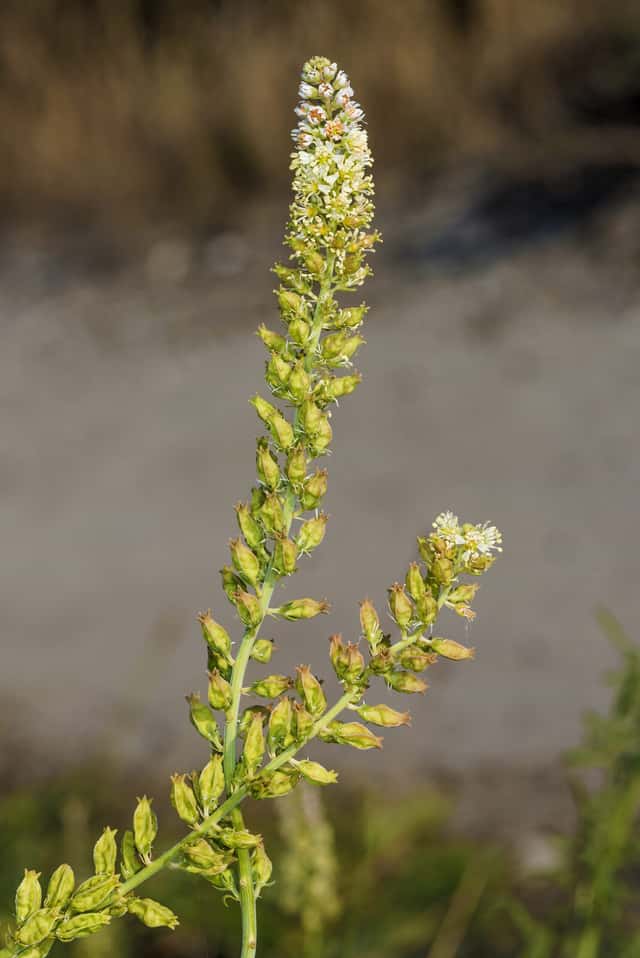
White Mignonette (Reseda alba) is a easy-care plant from the Resedaceae family. Reseda alba, commonly called white mignonette or white upright mignonette, is an annual or short-lived perennial herb in the Resedaceae family, native to the Mediterranean region, western Asia, and North Africa. It grows up to a meter tall, with deeply lobed, narrow leaves and dense, frilly spikes o...
White Mignonette grows up to 1.0m, spread of 40cm, watering every 7 days, 10°C – 25°C, 40–60% humidity. It is not suitable for indoor environments and safe for pets.
Unlike many tropical plants, White Mignonette tolerates watering mistakes. Best for beginners. Unlike many popular species, White Mignonette is safe to keep around pets.
How to Care for White Mignonette?
TLDR: White Mignonette needs Direct sun, watering every 7 days, and temperatures between 10-25°C with 40-60% humidity.
How Often Should You Water White Mignonette?
Water roughly once a week, whenever the top inch of soil feels dry. Keep soil evenly moist but never soggy to avoid root and crown problems.
How Much Light Does White Mignonette Need?
Provide full sun for the best flowering. In hot-summer climates, give it light afternoon shade to reduce heat stress.
What Is the Best Soil for White Mignonette?
Plant in loamy, well-draining soil enriched with compost. It tolerates average or poor soils but dislikes waterlogged conditions.
What Pot Should You Use for White Mignonette?
A wide terracotta pot or garden bed with generous drainage suits its need for a well-drained, airy root zone.
Care Schedule
Fertilize
Every 90 days
What Is White Mignonette and Where Does It Come From?
Reseda alba, commonly called white mignonette or white upright mignonette, is an annual or short-lived perennial herb in the Resedaceae family, native to the Mediterranean region, western Asia, and North Africa. It grows up to a meter tall, with deeply lobed, narrow leaves and dense, frilly spikes of small white flowers that bloom from summer into fall. Though less fragrant than its relative Reseda odorata, it is prized for its airy, upright habit, long bloom season, and appeal to pollinators in cottage and wildflower gardens.
How to Propagate White Mignonette?
Seed sowing
Direct sowing works best because mignonette has a taproot and does not transplant well; sow successively every few weeks for continuous blooms.
- 1 Sow seeds directly outdoors after the last frost, since the plant resents transplanting
- 2 Press seeds lightly into loose, well-draining soil and keep barely covered
- 3 Keep the soil consistently moist until germination, which takes about 2-3 weeks at around 13C (55F)
- 4 Thin seedlings to a few inches apart once they have their first true leaves
Materials needed:
How Big Does White Mignonette Grow?
TLDR: White Mignonette can reach up to 1.0m tall with Medium growth rate.
Max height
1.0m
Spread
40cm
Growth rate
Medium
Foliage
Deciduous
Plant Uses
Ornamental
Great for decoration
Edible
Can be consumed
Culinary Uses
- Young leaves and flowering shoots have traditionally been eaten as a wild vegetable in parts of Italy and Greece
Is your plant showing symptoms?
Click on the symptom to discover possible causes:
What Diseases Commonly Affect White Mignonette?
TLDR: White Mignonette is susceptible to 1 known diseases. Monitor regularly for early detection.
Meaning & Symbolism
In the Victorian language of flowers, mignonette symbolizes that one's inner qualities surpass outward charm, an emblem of quiet virtue and moral beauty rather than showy appearance.
Fun Facts
Its frilly white flower spikes make it a favorite of bees and other pollinators
The name mignonette comes from the French mignonne, meaning delicate or sweet little one
Young leaves and shoots were historically eaten as a wild vegetable in parts of the Mediterranean
Unlike its fragrant relative Reseda odorata, white mignonette is valued more for its form and long bloom period than its scent
Frequently asked questions
How often should I water white mignonette?
Does white mignonette need full sun?
Is Reseda alba toxic to pets?
Can white mignonette be grown in pots?
Is white mignonette prone to pests or diseases?
Compare with similar plants
| Attribute | Difficulty | Light | Watering | Pet Safe |
|---|---|---|---|---|
| Field Maple | Easy | Bright indirect | 14d | ✓ |
| Silver Birch | Easy | Direct sun | 14d | ✓ |
| Common Blanketflower | Easy | Direct sun | 10d | ✓ |
| Cushion Bush | Easy | Direct sun | 14d | ✓ |
Choose & Compare
Sources & References
- Reseda alba - Wikipedia
- How to Grow and Care for Reseda - Mignonette - Harvest to Table
- How To Grow Reseda alba - EarthOne
- White Mignonette Plant Care - PlantIn
- Reseda alba L. - Species - India Biodiversity Portal
- Reseda alba L. - Herbari Virtual del Mediterrani Occidental
- Reseda alba subsp. alba - Wikipedia PT





