Fagaceae
White Oak (Quercus alba) Care Guide
Quercus alba
White oak is a low-maintenance, long-lived shade tree once established. Plant it in full sun with deep, well-drained, slightly acidic soil, water deeply but infrequently, and avoid disturbing its root zone. It is slow-growing but extremely durable and drought-tolerant.
Every 14 days
Direct sun
-34° - 38°C
30% - 70%
Categories
What is White Oak?
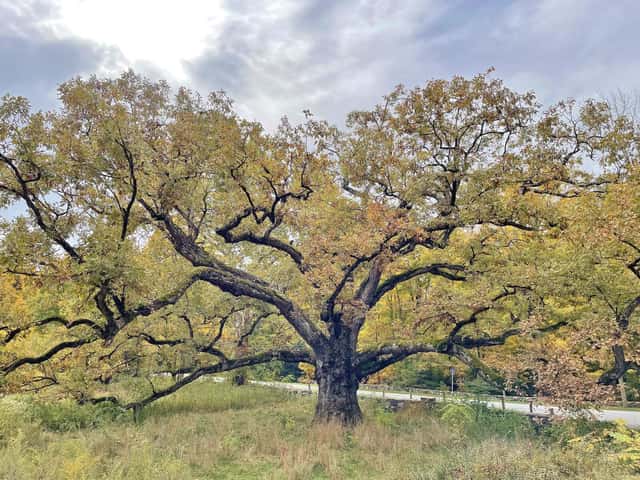
White Oak (Quercus alba) is a easy-care plant from the Fagaceae family. Quercus alba, commonly known as the white oak, is a large deciduous tree native to eastern North America, prized for its rounded crown, rugged light-gray bark, and lobed leaves that turn deep burgundy in autumn. It can live for centuries and eventually reach heights of 24-30 meters, making it a corn...
White Oak grows up to 30.0m, spread of 2400cm, watering every 14 days, -34°C – 38°C, 30–70% humidity. It is not suitable for indoor environments and not safe for pets.
Unlike many tropical plants, White Oak tolerates watering mistakes. Best for beginners. Without precautions, ingestion can cause irritation in pets. Keep out of reach of cats and dogs.
How to Care for White Oak?
TLDR: White Oak needs Direct sun, watering every 14 days, and temperatures between -34-38°C with 30-70% humidity.
How Often Should You Water White Oak?
Water young trees deeply once a week during the first two growing seasons to establish a strong root system. Mature white oaks are drought-tolerant and only need supplemental deep watering during prolonged dry spells.
How Much Light Does White Oak Need?
Provide full sun (at least 6 hours of direct light daily) for the strongest growth and best fall color, though young trees tolerate partial shade in the forest understory.
What Is the Best Soil for White Oak?
Plant in deep, rich, well-drained soil with a slightly acidic to neutral pH (5.0-7.0). White oak dislikes compacted, poorly drained, or shallow soils.
What Pot Should You Use for White Oak?
Not typically container-grown; plant directly in the ground with ample root space. Young saplings can be started in a deep, wide nursery pot with excellent drainage.
What Is White Oak and Where Does It Come From?
Quercus alba, commonly known as the white oak, is a large deciduous tree native to eastern North America, prized for its rounded crown, rugged light-gray bark, and lobed leaves that turn deep burgundy in autumn. It can live for centuries and eventually reach heights of 24-30 meters, making it a cornerstone species of hardwood forests and a favorite shade tree for spacious landscapes.
How to Propagate White Oak?
Acorn (Seed) Propagation
Plant acorns as soon as possible after collection since they lose viability quickly if allowed to dry out; protect young seedlings from rodents and deer.
- 1 Collect fresh, mature acorns in autumn as soon as they drop, discarding any with holes or that float in water.
- 2 Cold-stratify the acorns by storing them in slightly moist sand or peat in a refrigerator (around 1-4C) for 60-90 days.
- 3 In late fall or early spring, plant the stratified acorns about 2.5 cm deep in well-drained soil or deep nursery pots.
- 4 Keep the soil consistently moist but not waterlogged until germination occurs, which can take several weeks.
- 5 Transplant seedlings to their permanent location once they have a sturdy taproot, ideally while still young, since white oak resents transplanting.
Materials needed:
How Big Does White Oak Grow?
TLDR: White Oak can reach up to 30.0m tall with Slow growth rate.
Max height
30.0m
Spread
24.0m
Growth rate
Slow
Foliage
Deciduous
Warning: Toxic Plant
This plant can be toxic if ingested. Keep out of reach of:
Plant Uses
Ornamental
Great for decoration
Edible
Can be consumed
Medicinal
Medicinal properties
Medicinal Uses
- Bark historically used in traditional remedies as an astringent for sore throats and skin ailments
Culinary Uses
- Acorns can be leached of tannins and ground into flour for baking
Is your plant showing symptoms?
Click on the symptom to discover possible causes:
What Diseases Commonly Affect White Oak?
TLDR: White Oak is susceptible to 2 known diseases. Monitor regularly for early detection.
Powdery Mildew
Powdery mildew is a common fungal disease caused by various fungi species including Erysiphe, Podosphaera, Oïdium, and Leveillula. It affects over 10,000 plant species worldwide. The disease thrives in warm, dry climates with high humidity and appears as a distinctive white powdery coating on plant surfaces.
Anthracnose
Anthracnose is a fungal disease caused by fungi in the genus Colletotrichum that affects many plants, including vegetables, fruits, and trees. The disease thrives in cool, wet conditions, causing dark, sunken lesions on leaves, stems, flowers, and fruits.
Meaning & Symbolism
The white oak symbolizes strength, endurance, wisdom, and steadfastness, and has long been honored as a sacred and civic emblem across cultures.
Fun Facts
A single mature white oak can support hundreds of species of caterpillars, more than almost any other North American tree.
White oak wood is naturally watertight and was historically used to build ships and whiskey barrels.
Some white oaks are estimated to live over 450 years, with a few famous specimens surpassing 600 years.
Unlike many oaks, white oak acorns mature in a single season and germinate almost immediately after falling.
Frequently asked questions
How fast does a white oak grow?
Is the white oak drought-tolerant?
Are white oak acorns edible?
What diseases affect white oak trees?
Compare with similar plants
| Attribute | Difficulty | Light | Watering | Pet Safe |
|---|---|---|---|---|
| Field Maple | Easy | Bright indirect | 14d | ✓ |
| Silver Birch | Easy | Direct sun | 14d | ✓ |
| Common Blanketflower | Easy | Direct sun | 10d | ✓ |
| Cushion Bush | Easy | Direct sun | 14d | ✓ |





