Poaceae
Wild Rye (Genus Elymus)
Elymus
Tough temperate grasses: full sun or part shade, well-drained soil, little water once established and one cut-back a year. Very cold hardy, but they dislike humid summers and wet winter soil.
Every 10 days
Bright indirect
-20° - °C
% - %
Categories
What is Wild Rye?
Wild Rye (Elymus) is a easy-care plant from the Poaceae family. Elymus is a genus of about 150 to 170 perennial grasses in the family Poaceae, close relatives of wheat, rye and barley, found on every continent. They are known as wild rye, wheatgrass or couch grass. Some form clumps, such as Canada wild rye (Elymus canadensis), which reaches 1.5 m and is used in...
Wild Rye grows up to 1.5m, spread of 60cm, watering every 10 days. It is not suitable for indoor environments and safe for pets.
Unlike many tropical plants, Wild Rye tolerates watering mistakes. Best for beginners. Unlike many popular species, Wild Rye is safe to keep around pets.
How to Care for Wild Rye?
TLDR: Wild Rye needs Bright indirect, watering every 10 days, and temperatures between -20-30°C with 40-70% humidity.
How Often Should You Water Wild Rye?
Water at planting and for the first few weeks. After that, only in long droughts: most species tolerate dry spells. Avoid waterlogged soil, especially in winter.
How Much Light Does Wild Rye Need?
Full sun is best, especially for blue-leaved species, which colour up more. Part shade is also fine.
What Is the Best Soil for Wild Rye?
Well-drained soil, sandy, gravelly or average; tolerates poor soil and acid to alkaline pH. In pots, use a gritty mix.
What Pot Should You Use for Wild Rye?
A medium, wide pot with drainage holes and a gritty mix; also suits rock gardens and edging.
What Is Wild Rye and Where Does It Come From?
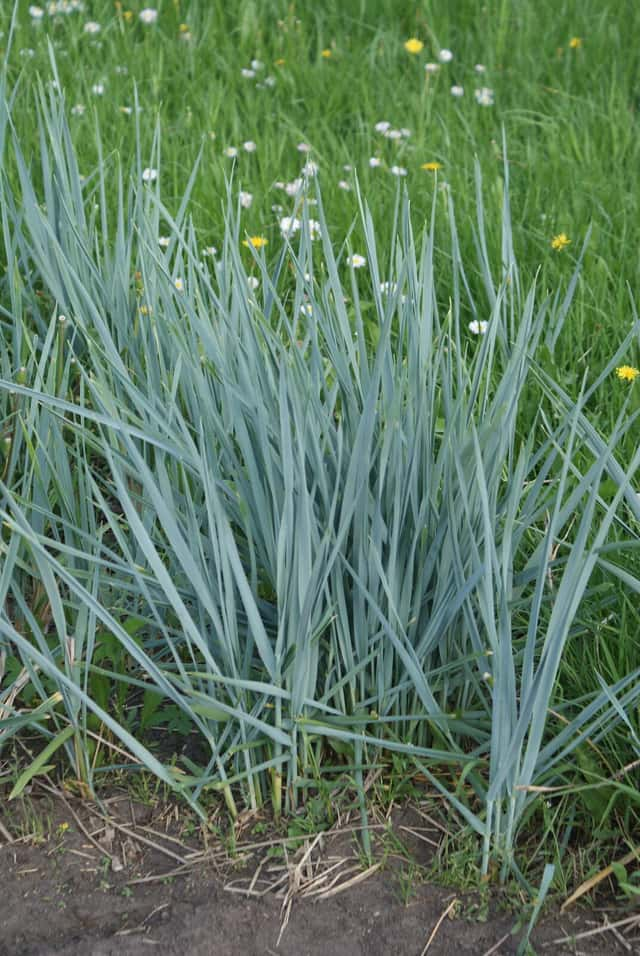
Elymus is a genus of about 150 to 170 perennial grasses in the family Poaceae, close relatives of wheat, rye and barley, found on every continent. They are known as wild rye, wheatgrass or couch grass. Some form clumps, such as Canada wild rye (Elymus canadensis), which reaches 1.5 m and is used in prairie restoration and erosion control; others spread by rhizomes, such as couch grass (Elymus repens), a stubborn weed. For gardens the best known is Elymus magellanicus from Patagonia, with low tufts of intensely blue leaves. The flowers are small spikes in spring and summer.
How to Propagate Wild Rye?
Division
Divide every few years to refresh old clumps.
- 1 In early spring, lift the clump
- 2 Split it into rooted pieces with a spade or knife
- 3 Replant at the same depth
- 4 Water well until established
Materials needed:
Seed
Some species self-seed; cut the seedheads before they shed if you do not want it to spread.
- 1 Prepare a clean, firm, weed-free seedbed
- 2 Sow in place in spring or autumn, 0.5-1 cm deep
- 3 Keep the soil moist until seedlings appear
- 4 Thin seedlings if crowded
Materials needed:
How Big Does Wild Rye Grow?
TLDR: Wild Rye can reach up to 1.5m tall with Medium growth rate.
Max height
1.5m
Spread
60cm
Growth rate
Medium
Foliage
Semi-evergreen
Plant Uses
Ornamental
Great for decoration
Ground Cover
Soil coverage
Is your plant showing symptoms?
Click on the symptom to discover possible causes:
What Diseases Commonly Affect Wild Rye?
TLDR: Wild Rye is susceptible to 3 known diseases. Monitor regularly for early detection.
Rust
Rust is a common fungal disease caused by fungi in the order Pucciniales that affects a wide variety of plants. The disease gets its name from the characteristic orange, yellow, or reddish-brown pustules that appear on leaves, resembling metal rust. This obligate fungal parasite requires living plants to survive and can cause significant economic losses in agricultural crops.
Powdery Mildew
Powdery mildew is a common fungal disease caused by various fungi species including Erysiphe, Podosphaera, Oïdium, and Leveillula. It affects over 10,000 plant species worldwide. The disease thrives in warm, dry climates with high humidity and appears as a distinctive white powdery coating on plant surfaces.
Caterpillars
Caterpillars are the larval stage of moths and butterflies that feed voraciously on plant foliage, stems, flowers, and fruits. Common species include cabbage loopers, tomato hornworms, armyworms, and cutworms. These pests can cause extensive damage by consuming large amounts of plant tissue in a short time. They vary in size from small (1/4 inch) to large (5 inches), with colors ranging from green to brown, often featuring stripes or spots. Caterpillars are highly mobile and can quickly spread throughout gardens, making them one of the most destructive common pests.
Fun Facts
Elymus is a close relative of wheat, rye and barley.
Canada wild rye is used to stabilise bare soil because its seedlings establish so fast.
Elymus magellanicus from Patagonia has one of the most intense blues of any garden grass.
Frequently asked questions
Does Elymus spread?
Does it need cutting back?
Is it cold hardy?
What diseases affect it?
Compare with similar plants
| Attribute | Difficulty | Light | Watering | Pet Safe |
|---|---|---|---|---|
| Field Maple | Easy | Bright indirect | 14d | ✓ |
| Muriel's Bamboo | Medium | Partial shade | 3d | ✓ |
| Iberian Houseleek | Easy | Direct sun | 14d | ✓ |
| Silver Birch | Easy | Direct sun | 14d | ✓ |





