Rosaceae
Willowleaf Spiraea: Ground Cover Plant
Spiraea salicifolia
A very easy-to-care-for and resilient shrub that tolerates diseases and pests well. It thrives best in a sunny or partially shaded location in moist, nutrient-rich soil. It only requires annual fertilization and pruning after flowering.
Every 4 days
Bright indirect
-34° - 32°C
40% - 80%
Categories
What is Willowleaf Spiraea?
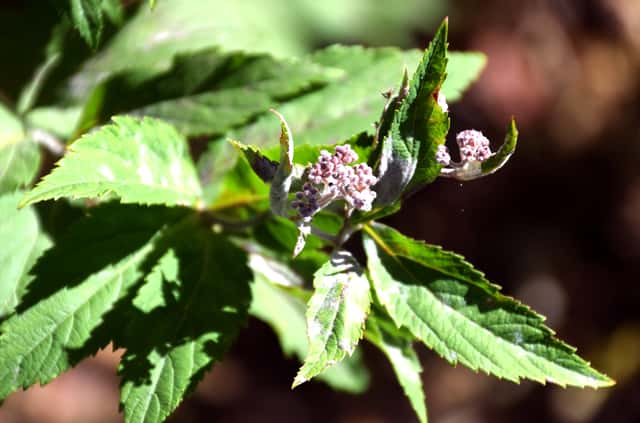
Willowleaf Spiraea (Spiraea salicifolia) is a easy-care plant from the Rosaceae family. Willowleaf Spiraea (Spiraea salicifolia) is an upright, dense, and fast-growing shrub belonging to the rose family, known for its narrow, willow-like leaves and pink or white, spike-like flower clusters. It blooms profusely throughout the summer and is very winter-hardy (USDA Zones 4a–8b), making it...
Willowleaf Spiraea grows up to 2.0m, spread of 150cm, watering every 4 days, -34°C – 32°C, 40–80% humidity. It is not suitable for indoor environments and safe for pets.
Unlike many tropical plants, Willowleaf Spiraea tolerates watering mistakes. Best for beginners. Unlike many popular species, Willowleaf Spiraea is safe to keep around pets.
How to Care for Willowleaf Spiraea?
TLDR: Willowleaf Spiraea needs Bright indirect, watering every 4 days, and temperatures between -34-32°C with 40-80% humidity.
How Often Should You Water Willowleaf Spiraea?
Keep the soil consistently moist, especially for young plants and during dry spells; mature plants tolerate short periods of drought but bloom most profusely when moisture is adequate.
How Much Light Does Willowleaf Spiraea Need?
Grows best in full sun, at least 6 hours a day, but also tolerates partial shade; too much shade increases the risk of powdery mildew and reduces flowering.
What Is the Best Soil for Willowleaf Spiraea?
Thrives in sandy, clay, and loamy soils, but prefers moist, nutrient-rich silt loam with a slightly acidic to neutral pH (5.5–7.5). Calcareous soil can cause leaf yellowing.
What Pot Should You Use for Willowleaf Spiraea?
Not suitable for pot cultivation; grows best when planted directly in the ground, as its root system spreads vigorously.
Care Schedule
Fertilize
Every 365 days
What Is Willowleaf Spiraea and Where Does It Come From?
Willowleaf Spiraea (Spiraea salicifolia) is an upright, dense, and fast-growing shrub belonging to the rose family, known for its narrow, willow-like leaves and pink or white, spike-like flower clusters. It blooms profusely throughout the summer and is very winter-hardy (USDA Zones 4a–8b), making it excellent for northern climates. The plant spreads effectively via root suckers, forming dense thickets, which is why it is also used as ground cover and for erosion control on moist slopes.
How to Propagate Willowleaf Spiraea?
Dividing Root Suckers
- The best time for division is early spring before leaves emerge.
- 1 Separating the Sucker
Dig up a root sucker that already has its own roots.
- 2 Cutting
Separate the sucker from the mother plant with a sharp spade.
- 3 Planting
Plant the new seedling in the desired location and water thoroughly.
Materials needed:
From Semi-Hardwood Cuttings
- Cuttings can also be taken from fully ripened wood in October-November.
- 1 Taking the Cutting
Cut a 10-15 cm long semi-hardwood stem segment in July-August.
- 2 Rooting
Remove the lower leaves and insert the cutting into moist, well-draining soil.
- 3 Care
Keep the growing medium moist and protected from direct sunlight until roots have formed.
Materials needed:
How Big Does Willowleaf Spiraea Grow?
TLDR: Willowleaf Spiraea can reach up to 2.0m tall with Fast growth rate.
Max height
2.0m
Spread
1.5m
Growth rate
Fast
Foliage
Deciduous
Plant Uses
Ornamental
Great for decoration
Medicinal
Medicinal properties
Edible
Can be consumed
Ground Cover
Soil coverage
Medicinal Uses
- Roots have traditionally been used to treat coughs and respiratory infections.
- Unripe seeds have been used to treat bloody diarrhea.
Culinary Uses
- Young leaves are edible when cooked and are rich in Vitamin C.
Is your plant showing symptoms?
Click on the symptom to discover possible causes:
What Diseases Commonly Affect Willowleaf Spiraea?
TLDR: Willowleaf Spiraea is susceptible to 10 known diseases. Monitor regularly for early detection.
Aphids
Aphids are small, soft-bodied, pear-shaped insects (1/16 to 1/8 inch long) that feed by sucking nutrient-rich sap from plants. They reproduce rapidly and can quickly weaken plants, causing distorted growth and transmitting plant viruses. Aphids come in various colors including green, black, red, yellow, brown, and gray. They secrete honeydew, a sticky substance that attracts ants and encourages sooty mold growth.
Powdery Mildew
Powdery mildew is a common fungal disease caused by various fungi species including Erysiphe, Podosphaera, Oïdium, and Leveillula. It affects over 10,000 plant species worldwide. The disease thrives in warm, dry climates with high humidity and appears as a distinctive white powdery coating on plant surfaces.
Fire Blight
Fire blight is a highly destructive and contagious bacterial disease caused by Erwinia amylovora. It primarily affects plants in the Rosaceae family, including apple, pear, quince trees, and various ornamental plants. The disease can destroy an entire orchard in a single growing season under ideal conditions, with the bacterium moving approximately 11 inches per week in new growth.
Leaf Spot
Leaf spot is a common fungal disease caused by various pathogens including Alternaria, Ascochyta, Colletotrichum, Septoria, and Venturia. It primarily affects leaves, causing discolored spots that can lead to premature leaf drop if left untreated.
Meaning & Symbolism
Resilience, endurance, and unassuming beauty; traditionally associated with bridal bouquets (bridewort).
Compare with similar plants
| Attribute | Difficulty | Light | Watering | Pet Safe |
|---|---|---|---|---|
| Field Maple | Easy | Bright indirect | 14d | ✓ |
| Silver Birch | Easy | Direct sun | 14d | ✓ |
| Common Blanketflower | Easy | Direct sun | 10d | ✓ |
| Cushion Bush | Easy | Direct sun | 14d | ✓ |





