Lamiaceae
Winter Savory (Satureja montana)
Satureja montana
A tough, low-maintenance herb that thrives in full sun and well-drained, sandy or rocky soil. Highly drought-tolerant once established, it dislikes soggy soil. Light pruning after flowering keeps plants compact and productive.
Every 10 days
Bright indirect
15° - 30°C
30% - 50%
Categories
What is Winter Savory?
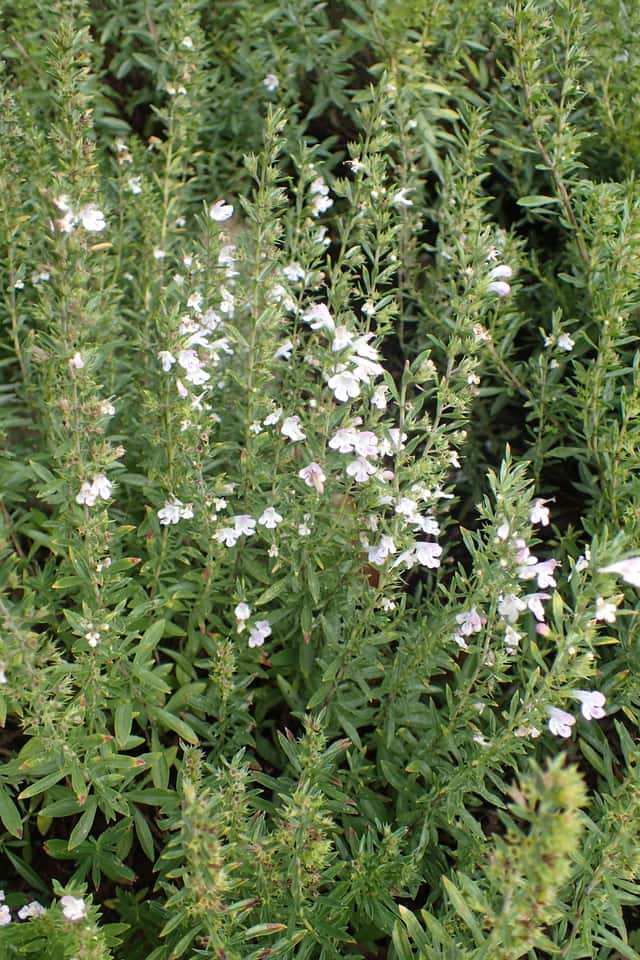
Winter Savory (Satureja montana) is a easy-care plant from the Lamiaceae family. Winter savory (Satureja montana) is a hardy, evergreen perennial subshrub in the mint family (Lamiaceae), native to the mountainous regions of the Mediterranean. It forms low, woody-based mounds of narrow, glossy, highly aromatic leaves, with small white, lilac, or pale blue flowers appearing in sum...
Winter Savory grows up to 45cm, spread of 45cm, watering every 10 days, 15°C – 30°C, 30–50% humidity. It is suitable for indoor environments and safe for pets.
Unlike many tropical plants, Winter Savory tolerates watering mistakes. Best for beginners. Unlike many popular species, Winter Savory is safe to keep around pets. Without adequate drainage, root rot can develop within 20 days.
How to Care for Winter Savory?
TLDR: Winter Savory needs Bright indirect, watering every 10 days, and temperatures between 15-30°C with 30-50% humidity.
How Often Should You Water Winter Savory?
Water moderately, letting the soil dry out almost completely between waterings. In containers, water every 7-10 days; in the ground, rainfall is usually sufficient once established.
How Much Light Does Winter Savory Need?
Prefers full sun with at least 6 hours of direct light daily. Tolerates light partial shade but flowers and flavors less.
What Is the Best Soil for Winter Savory?
Use sandy or rocky, well-draining soil with a neutral to slightly alkaline pH. Avoid heavy clay or waterlogged soil, which promotes root rot.
What Pot Should You Use for Winter Savory?
Terracotta or clay pot with drainage holes, which helps prevent excess moisture around the roots.
Care Schedule
Repot
Every 365 days
What Is Winter Savory and Where Does It Come From?
Winter savory (Satureja montana) is a hardy, evergreen perennial subshrub in the mint family (Lamiaceae), native to the mountainous regions of the Mediterranean. It forms low, woody-based mounds of narrow, glossy, highly aromatic leaves, with small white, lilac, or pale blue flowers appearing in summer. Prized as a culinary and medicinal herb, it has a peppery flavor reminiscent of thyme and marjoram.
How to Propagate Winter Savory?
Seed propagation
Sow 4-6 weeks before the last frost. Avoid overwatering the mix to prevent seed rot.
- 1 Sow in trays with light seed-starting mix, without covering the seeds since they need light to germinate
- 2 Keep the mix lightly moist in a bright location
- 3 Once germinated, transplant seedlings when they have 2-3 true leaves
Materials needed:
Stem cutting
Keep the mix lightly moist in indirect light until rooted.
- 1 Take 10-15 cm cuttings from healthy new growth
- 2 Strip leaves from the bottom half of the cutting
- 3 Dip the base in rooting hormone and plant in moist sandy mix
Materials needed:
How Big Does Winter Savory Grow?
TLDR: Winter Savory can reach up to 45cm tall with Fast growth rate.
Max height
45cm
Spread
45cm
Growth rate
Fast
Foliage
Evergreen
Plant Uses
Edible
Can be consumed
Medicinal
Medicinal properties
Aromatic
Pleasant fragrance
Medicinal Uses
- digestive aid
- antiseptic
- expectorant
- carminative
Culinary Uses
- bean seasoning
- meat rub
- aromatic tea
- thyme substitute
- grilling herb
Is your plant showing symptoms?
Click on the symptom to discover possible causes:
What Diseases Commonly Affect Winter Savory?
TLDR: Winter Savory is susceptible to 5 known diseases. Monitor regularly for early detection.
Root Rot
Root rot is a serious fungal disease that affects the root system of plants, causing them to decay and die. It is primarily caused by overwatering, poor drainage, or soil-borne fungi such as Pythium, Phytophthora, Rhizoctonia, and Fusarium. The disease thrives in waterlogged conditions where roots are deprived of oxygen, making them susceptible to fungal infection.
Powdery Mildew
Powdery mildew is a common fungal disease caused by various fungi species including Erysiphe, Podosphaera, Oïdium, and Leveillula. It affects over 10,000 plant species worldwide. The disease thrives in warm, dry climates with high humidity and appears as a distinctive white powdery coating on plant surfaces.
Aphids
Aphids are small, soft-bodied, pear-shaped insects (1/16 to 1/8 inch long) that feed by sucking nutrient-rich sap from plants. They reproduce rapidly and can quickly weaken plants, causing distorted growth and transmitting plant viruses. Aphids come in various colors including green, black, red, yellow, brown, and gray. They secrete honeydew, a sticky substance that attracts ants and encourages sooty mold growth.
Spider Mites
Spider mites are tiny arachnids (less than 1/20 inch long) related to spiders and ticks that feed on plant sap. They thrive in hot, dry conditions and can cause significant damage to ornamental and vegetable plants. During severe infestations, crop losses can reach 14% or higher as these pests disrupt vital plant processes including photosynthesis, carbon dioxide absorption, and transpiration.
Meaning & Symbolism
Traditionally associated with hospitality and healing, thanks to its long culinary and medicinal history dating back to Greco-Roman antiquity.
Fun Facts
Known as the bean herb for its traditional use seasoning legumes and easing flatulence
Its species name montana refers to its native habitat on rocky Mediterranean hillsides
Ancient Romans used it both as a spice and reputed aphrodisiac
Frequently asked questions
How often should I water winter savory?
Is winter savory toxic to pets?
How is winter savory used in cooking?
When is the best time to prune winter savory?
Compare with similar plants
| Attribute | Difficulty | Light | Watering | Pet Safe |
|---|---|---|---|---|
| Field Maple | Easy | Bright indirect | 14d | ✓ |
| Silver Birch | Easy | Direct sun | 14d | ✓ |
| Common Blanketflower | Easy | Direct sun | 10d | ✓ |
| Cushion Bush | Easy | Direct sun | 14d | ✓ |
Choose & Compare
Sources & References
- Satureja montana (Mountain Savory, Winter Savory) - NC State Extension
- How to Plant and Grow Winter Savory (Satureja montana)
- Growing Satureja - Care Tips
- Winter Savory Plants For Sale - Satureja Montana
- Medicinal Herbs: Winter Savory - Satureja montana
- Satureja montana (Winter Savory) - Practical Plants





