Poaceae
Witchgrass (Panicum capillare): plant guide
Panicum capillare
It asks for very little: sun and soil that drains. It is an annual that spreads by seed, so remove the panicles before they dry if you do not want it everywhere.
Every 10 days
Direct sun
° - °C
% - %
Categories
What is Witchgrass?
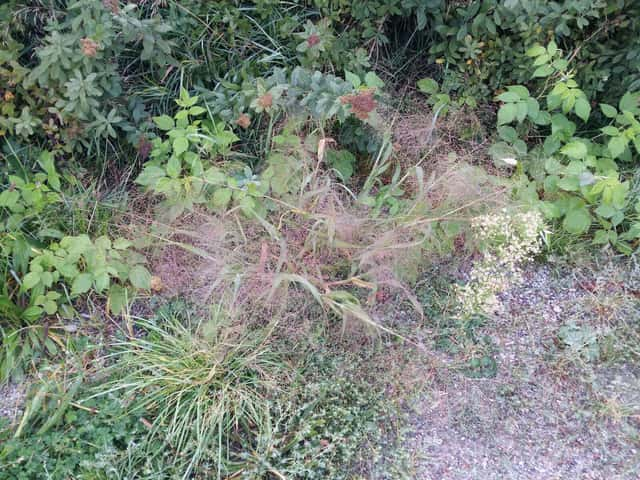
Witchgrass (Panicum capillare) is a easy-care plant from the Poaceae family. Witchgrass is a very hairy annual grass from North America that grows to about 1 m tall. Its open, airy panicle can reach half the length of the plant, runs from green to purple-tinged and, once dry, breaks off whole and rolls away on the wind. It is best known as a weed of fields and waste ground,...
Witchgrass grows up to 1.0m, spread of 50cm, watering every 10 days. It is not suitable for indoor environments and safe for pets.
Unlike many tropical plants, Witchgrass tolerates watering mistakes. Best for beginners. Unlike many popular species, Witchgrass is safe to keep around pets.
How to Care for Witchgrass?
TLDR: Witchgrass needs Direct sun, watering every 10 days, and temperatures between 15-30°C with 40-70% humidity.
How Often Should You Water Witchgrass?
It usually lives on rainfall alone and handles hot, dry weather well. In a pot or a long drought, water about every 10 days.
How Much Light Does Witchgrass Need?
Full sun. It does best in open spots with little competition from other plants.
What Is the Best Soil for Witchgrass?
Any moderately fertile, well-drained soil. It accepts sand, gravel and alkaline ground.
What Pot Should You Use for Witchgrass?
Not usually grown in pots. If you try, use a wide container with drainage and a sandy mix.
What Is Witchgrass and Where Does It Come From?
Witchgrass is a very hairy annual grass from North America that grows to about 1 m tall. Its open, airy panicle can reach half the length of the plant, runs from green to purple-tinged and, once dry, breaks off whole and rolls away on the wind. It is best known as a weed of fields and waste ground, but it is also grown in gardens as an ornamental.
How to Propagate Witchgrass?
Seed
Light stimulates germination. It often self-seeds the following year.
- 1 Sow in early spring where the plant will stay
- 2 Cover lightly, as the seed needs to stay near the surface
- 3 Keep moist until seedlings appear
- 4 Thin the seedlings if crowded
Materials needed:
How Big Does Witchgrass Grow?
TLDR: Witchgrass can reach up to 1.0m tall with Medium growth rate.
Max height
1.0m
Spread
50cm
Plant Uses
Ornamental
Great for decoration
Is your plant showing symptoms?
Click on the symptom to discover possible causes:
What Diseases Commonly Affect Witchgrass?
TLDR: Witchgrass is susceptible to 2 known diseases. Monitor regularly for early detection.
Aphids
Aphids are small, soft-bodied, pear-shaped insects (1/16 to 1/8 inch long) that feed by sucking nutrient-rich sap from plants. They reproduce rapidly and can quickly weaken plants, causing distorted growth and transmitting plant viruses. Aphids come in various colors including green, black, red, yellow, brown, and gray. They secrete honeydew, a sticky substance that attracts ants and encourages sooty mold growth.
Mosaic Virus
Mosaic virus is a group of plant viruses that cause mottled, patchy patterns on leaves and can affect a wide variety of plants. The virus creates characteristic yellow, white, and green mosaic patterns, often accompanied by stunted growth and deformed plant parts. This highly contagious disease spreads rapidly through insect vectors and contaminated tools.
Fun Facts
The dry panicle breaks off whole and rolls along the ground, spreading its seeds
The flower head can take up over half the length of the plant
It has been studied for taking up the herbicide atrazine from contaminated soil
Frequently asked questions
Is witchgrass toxic?
How do I control witchgrass in a garden?
Does witchgrass come back every year?
Compare with similar plants
| Attribute | Difficulty | Light | Watering | Pet Safe |
|---|---|---|---|---|
| Field Maple | Easy | Bright indirect | 14d | ✓ |
| Muriel's Bamboo | Medium | Partial shade | 3d | ✓ |
| Iberian Houseleek | Easy | Direct sun | 14d | ✓ |
| Silver Birch | Easy | Direct sun | 14d | ✓ |





