Lamiaceae
Wood Betony: Aromatic Plant
Betonica officinalis
A hardy and easy-to-grow perennial that thrives in full sun to partial shade and ordinary, well-drained garden soil. Wood betony is drought-tolerant once established and requires minimal care beyond annual fertilization in the spring and the removal of spent flower spikes.
Every 10 days
Bright indirect
° - °C
% - %
Categories
What is Wood Betony?
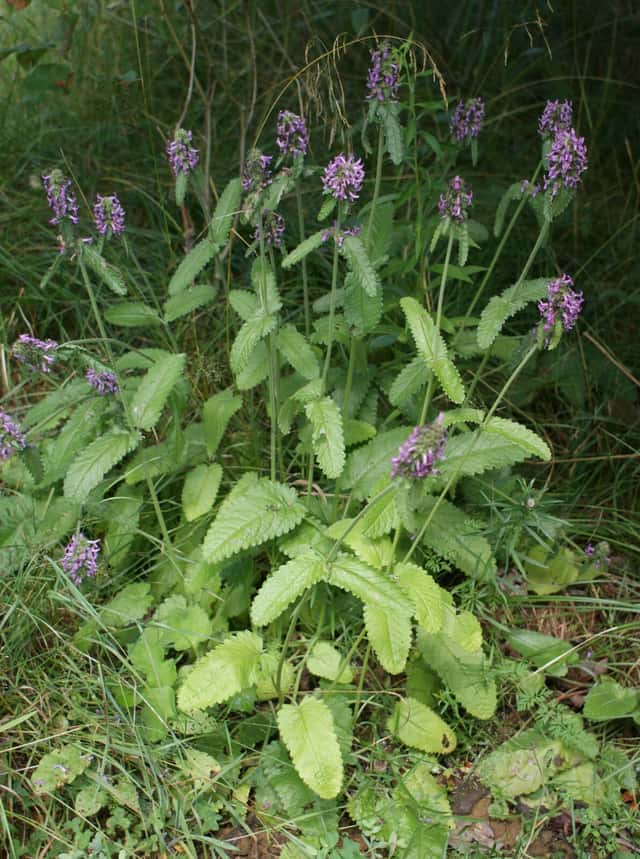
Wood Betony (Betonica officinalis) is a easy-care plant from the Lamiaceae family. Wood betony (Betonica officinalis, syn. Stachys officinalis) is a perennial herb in the mint family (Lamiaceae), native to Europe, where it grows wild in grasslands, along hedgerows, and in open woodlands. The plant forms a dense rosette of heart-shaped, rough basal leaves and an upright, slightly h...
Wood Betony grows up to 70cm, spread of 45cm, watering every 10 days. It is not suitable for indoor environments and safe for pets.
Unlike many tropical plants, Wood Betony tolerates watering mistakes. Best for beginners. Unlike many popular species, Wood Betony is safe to keep around pets.
How to Care for Wood Betony?
TLDR: Wood Betony needs Bright indirect, watering every 10 days, and temperatures between 15-30°C with 40-70% humidity.
How Often Should You Water Wood Betony?
Water regularly during the first year after planting while the root system establishes itself. Thereafter, the plant is drought-tolerant and only needs extra watering during prolonged dry periods. Avoid waterlogged, wet soil, as this can promote root rot.
How Much Light Does Wood Betony Need?
Thrives best in full sun, where it blooms most profusely, but also does well in light to partial shade. At least 4-6 hours of direct sun per day provides the most vigorous growth and the most flowers.
What Is the Best Soil for Wood Betony?
Prefers ordinary, well-drained garden soil—sandy, loamy, or humus-rich—ranging from slightly acidic to neutral pH (approx. 5.5-7.5). Most important is good drainage, as the plant does not tolerate water-saturated soil.
What Pot Should You Use for Wood Betony?
Best suited for planting directly in garden beds, but can also be grown in a spacious terracotta or ceramic pot with drainage holes and a well-drained mix of garden soil and grit, if kept outdoors.
Care Schedule
Fertilize
Every 365 days
What Is Wood Betony and Where Does It Come From?
Wood betony (Betonica officinalis, syn. Stachys officinalis) is a perennial herb in the mint family (Lamiaceae), native to Europe, where it grows wild in grasslands, along hedgerows, and in open woodlands. The plant forms a dense rosette of heart-shaped, rough basal leaves and an upright, slightly hairy stem reaching 30-70 cm in height. From June to August, it bears dense spikes of purple-red to pink tubular flowers, which are highly attractive to bees and other pollinators. Wood betony has a long history as a medicinal plant and was considered in the Middle Ages to be able to cure almost anything—hence the old proverb 'sell your cow and buy betony'.
How to Propagate Wood Betony?
Propagation by seed
- Self-seeds readily in the garden if flower spikes are allowed to go to seed.
- 1 Sowing
Sow the seeds in a cold frame or in small pots with light, well-drained seed compost in the spring.
- 2 Germination
Keep the soil slightly moist until the seeds germinate after 2-4 weeks.
- 3 Transplanting
Plant the seedlings outdoors once they have developed several true leaves and the risk of night frost has passed.
Materials needed:
Division
- Can be divided at almost any time during the growing season, but spring yields the best results.
- 1 Digging up
Carefully dig up the established clump in early spring or autumn.
- 2 Division
Divide the root ball into smaller sections with healthy shoots and roots.
- 3 Replanting
Replant the divisions immediately and keep the soil moist until they are established.
Materials needed:
How Big Does Wood Betony Grow?
TLDR: Wood Betony can reach up to 70cm tall with Slow growth rate.
Max height
70cm
Spread
45cm
Growth rate
Slow
Foliage
Deciduous
Plant Uses
Medicinal
Medicinal properties
Edible
Can be consumed
Aromatic
Pleasant fragrance
Ornamental
Great for decoration
Medicinal Uses
- Traditionally used as a calming nervine herb for headaches and tension
- Historically used for indigestion and as a mild laxative
- The leaves are used in herbal teas for restlessness and poor sleep
- Powdered leaves have traditionally been used as a snuff for sinus problems
Culinary Uses
- Fresh or dried leaves and flower spikes can be steeped as an aromatic herbal tea
Is your plant showing symptoms?
Click on the symptom to discover possible causes:
What Diseases Commonly Affect Wood Betony?
TLDR: Wood Betony is susceptible to 3 known diseases. Monitor regularly for early detection.
Powdery Mildew
Powdery mildew is a common fungal disease caused by various fungi species including Erysiphe, Podosphaera, Oïdium, and Leveillula. It affects over 10,000 plant species worldwide. The disease thrives in warm, dry climates with high humidity and appears as a distinctive white powdery coating on plant surfaces.
Aphids
Aphids are small, soft-bodied, pear-shaped insects (1/16 to 1/8 inch long) that feed by sucking nutrient-rich sap from plants. They reproduce rapidly and can quickly weaken plants, causing distorted growth and transmitting plant viruses. Aphids come in various colors including green, black, red, yellow, brown, and gray. They secrete honeydew, a sticky substance that attracts ants and encourages sooty mold growth.
Root Rot
Root rot is a serious fungal disease that affects the root system of plants, causing them to decay and die. It is primarily caused by overwatering, poor drainage, or soil-borne fungi such as Pythium, Phytophthora, Rhizoctonia, and Fusarium. The disease thrives in waterlogged conditions where roots are deprived of oxygen, making them susceptible to fungal infection.
Meaning & Symbolism
In folklore, wood betony was considered a powerful protective plant that could ward off evil spirits and nightmares, and it was often planted in churchyards or worn as an amulet. The name 'heal-all' reflects its reputation as a near-universal medicinal herb in medieval herbal medicine.
Compare with similar plants
| Attribute | Difficulty | Light | Watering | Pet Safe |
|---|---|---|---|---|
| Field Maple | Easy | Bright indirect | 14d | ✓ |
| Silver Birch | Easy | Direct sun | 14d | ✓ |
| Common Blanketflower | Easy | Direct sun | 10d | ✓ |
| Cushion Bush | Easy | Direct sun | 14d | ✓ |
Choose & Compare
Sources & References
- Stachys officinalis (Betony) - BBC Gardeners World
- Betony: how to grow & use Stachys officinalis - Plantura
- Stachys officinalis - PFAF Plant Database
- Betonica officinalis - NC State Extension Gardener Plant Toolbox
- How to Grow Wood Betony (Stachys officinalis) - Permaculture Plants
- Lægebetonie - Wikipedia





