Vitaceae
Woodbine: Ground Cover Plant
Parthenocissus vitacea
Exceptionally adaptable and low-maintenance. Tolerates wide range of soils (sandy to clay), moisture (dry to wet), and light conditions (full sun to full shade). Best fall color develops in full sun. Vigorous growth requires regular pruning to manage spread. Hardy to USDA Zone 3 with deciduous habit.
Every 9 days
Direct sun
-40° - °C
% - %
Categories
What is Woodbine?
Woodbine (Parthenocissus vitacea) is a easy-care plant from the Vitaceae family. Aggressive deciduous woody vine native to North America, reaching lengths up to 20 meters. Climbs using branched tendrils with twining tips that grip support structures. Features palmately compound leaves with five leaflets having coarsely toothed margins. Produces small greenish flowers in late-spr...
Woodbine grows up to 6.0m, spread of 600cm, watering every 9 days. It is not suitable for indoor environments and not safe for pets.
Unlike many tropical plants, Woodbine tolerates watering mistakes. Best for beginners. Without precautions, ingestion can cause irritation in pets. Keep out of reach of cats and dogs.
How to Care for Woodbine?
TLDR: Woodbine needs Direct sun, watering every 9 days, and temperatures between -40-30°C with 40-70% humidity.
How Often Should You Water Woodbine?
Prefers consistently moist but well-draining soil. Reasonably drought-tolerant once established. Water approximately every 9 days for potted specimens without direct light. Avoid waterlogging to prevent root rot.
How Much Light Does Woodbine Need?
Adapts from full shade to full sun. Requires direct sunlight (6+ hours daily) for optimal brilliant red fall coloring. Tolerates partial shade but grows most vigorously in direct light.
What Is the Best Soil for Woodbine?
Prefers well-drained soils rich in organic matter. Adapts to loamy and sandy-loam soils. Tolerates pH range from slightly acidic to slightly alkaline (6.0-7.5). Avoid severe compaction.
What Pot Should You Use for Woodbine?
Deep containers with sturdy trellis support for vertical growth. Requires significant space due to aggressive expansion. Excellent drainage essential.
Care Schedule
Fertilize
Every 30 days
Repot
Every 365 days
What Is Woodbine and Where Does It Come From?
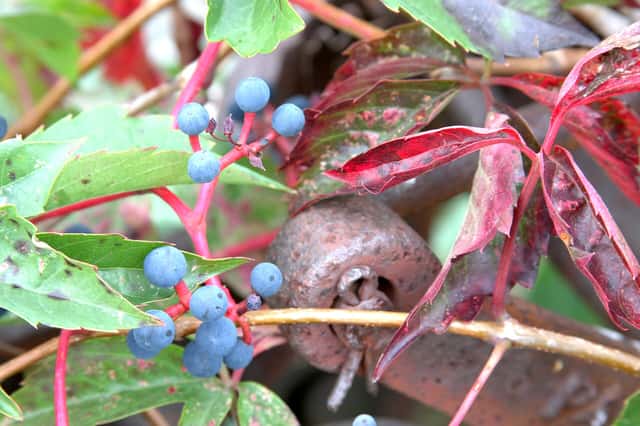
Aggressive deciduous woody vine native to North America, reaching lengths up to 20 meters. Climbs using branched tendrils with twining tips that grip support structures. Features palmately compound leaves with five leaflets having coarsely toothed margins. Produces small greenish flowers in late-spring panicles followed by small blue-black berries up to 1.5 cm in diameter. Displays brilliant red fall foliage.
How Big Does Woodbine Grow?
TLDR: Woodbine can reach up to 6.0m tall with Fast growth rate.
Max height
6.0m
Spread
6.0m
Growth rate
Fast
Foliage
Deciduous
Warning: Toxic Plant
This plant can be toxic if ingested. Keep out of reach of:
Plant Uses
Ornamental
Great for decoration
Ground Cover
Soil coverage
Is your plant showing symptoms?
Click on the symptom to discover possible causes:
What Diseases Commonly Affect Woodbine?
TLDR: Woodbine is susceptible to 7 known diseases. Monitor regularly for early detection.
Powdery Mildew
Powdery mildew is a common fungal disease caused by various fungi species including Erysiphe, Podosphaera, Oïdium, and Leveillula. It affects over 10,000 plant species worldwide. The disease thrives in warm, dry climates with high humidity and appears as a distinctive white powdery coating on plant surfaces.
Leaf Spot
Leaf spot is a common fungal disease caused by various pathogens including Alternaria, Ascochyta, Colletotrichum, Septoria, and Venturia. It primarily affects leaves, causing discolored spots that can lead to premature leaf drop if left untreated.
Canker
Canker is a disease caused by various fungi and bacteria that create necrotic, sunken areas on bark of branches, stems, and trunks. Pathogens enter through wounds and natural openings, especially when plants are stressed. Canker can gradually weaken or kill branches by disrupting water and nutrient flow.
Aphids
Aphids are small, soft-bodied, pear-shaped insects (1/16 to 1/8 inch long) that feed by sucking nutrient-rich sap from plants. They reproduce rapidly and can quickly weaken plants, causing distorted growth and transmitting plant viruses. Aphids come in various colors including green, black, red, yellow, brown, and gray. They secrete honeydew, a sticky substance that attracts ants and encourages sooty mold growth.
Meaning & Symbolism
Represents climbing ambition and resilient growth. Associated with native North American ecosystems and woodland vitality.
Compare with similar plants
| Attribute | Difficulty | Light | Watering | Pet Safe |
|---|---|---|---|---|
| Field Maple | Easy | Bright indirect | 14d | ✓ |
| Silver Birch | Easy | Direct sun | 14d | ✓ |
| Common Blanketflower | Easy | Direct sun | 10d | ✓ |
| Cushion Bush | Easy | Direct sun | 14d | ✓ |
Choose & Compare
Sources & References
- Keep Your Virginia Creeper Alive: Light, Water & Care Instructions
- Parthenocissus inserta - Wikipedia
- Parthenocissus quinquefolia PFAF Plant Database
- North Carolina Extension Gardener Plant Toolbox
- Grape Woodbine (Parthenocissus vitacea) - Plants To Grow
- Colorado State University - Poisonous Plants Guide





