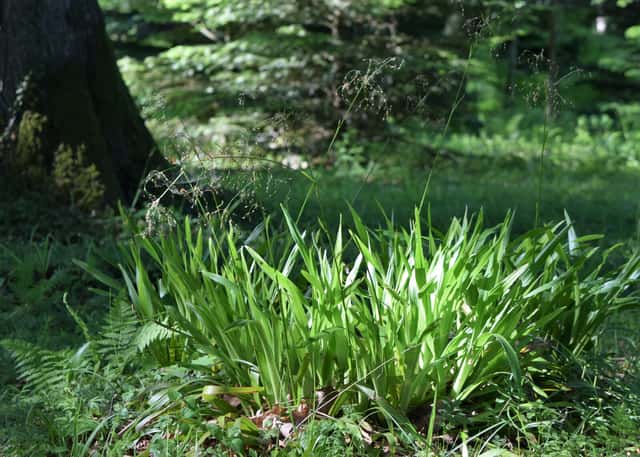
Juncaceae
Woodrush: Ground Cover Plant
Luzula
A tough, easy plant for shade and part shade. Prefers moist, humus-rich, well-drained soil and stays green year-round. Largely free of pests and diseases.
Every 5 days
Partial shade
-25° - 28°C
40% - 70%
Categories
What is Woodrush?
Woodrush (Luzula) is a easy-care plant from the Juncaceae family. Luzula is a genus of grass-like evergreen perennials in the rush family (Juncaceae), commonly called woodrushes. They form dense clumps of glossy green leaves fringed with fine silky hairs, topped in spring by airy panicles of small brown and cream flowers on arching stems. Shade-tolerant and low-ma...
Woodrush grows up to 1.0m, spread of 150cm, watering every 5 days, -25°C – 28°C, 40–70% humidity. It is not suitable for indoor environments and safe for pets.
Unlike many tropical plants, Woodrush tolerates watering mistakes. Best for beginners. Unlike many popular species, Woodrush is safe to keep around pets.
How to Care for Woodrush?
TLDR: Woodrush needs Partial shade, watering every 5 days, and temperatures between -25-28°C with 40-70% humidity.
How Often Should You Water Woodrush?
Keep the soil evenly moist, especially in heat and sunnier spots; water when the top few centimetres begin to dry. Once established it tolerates dry shade better than almost any other grass-like plant.
How Much Light Does Woodrush Need?
Grows best in partial or full shade, thriving beneath deciduous trees. It tolerates full sun only where the soil stays constantly moist.
What Is the Best Soil for Woodrush?
Moist, humus-rich, well-drained soil with an acid to neutral pH. It accepts clay, loam or sandy substrates as long as roots are never permanently waterlogged.
What Pot Should You Use for Woodrush?
In containers, use a wide pot with good drainage holes and a humus-rich, moisture-retentive mix; the clump spreads slowly, so allow lateral room.
Care Schedule
Fertilize
Every 180 days
What Is Woodrush and Where Does It Come From?
Luzula is a genus of grass-like evergreen perennials in the rush family (Juncaceae), commonly called woodrushes. They form dense clumps of glossy green leaves fringed with fine silky hairs, topped in spring by airy panicles of small brown and cream flowers on arching stems. Shade-tolerant and low-maintenance, they are grown chiefly as ground cover in woodland gardens and shaded borders.
How to Propagate Woodrush?
Clump division
Fastest and most reliable method; do it in early spring or autumn.
- 1 Lift an established clump
- 2 Pull or cut into sections with roots and shoots
- 3 Replant immediately at the same depth
- 4 Water in well to settle the soil
Materials needed:
Seed sowing
Sow fresh seed; germination can be slow and uneven.
- 1 Surface-sow onto moist compost
- 2 Cover lightly and keep moist
- 3 Place in a cool, shaded spot
- 4 Prick out seedlings when large enough to handle
Materials needed:
How Big Does Woodrush Grow?
TLDR: Woodrush can reach up to 1.0m tall with Medium growth rate.
Max height
1.0m
Spread
1.5m
Growth rate
Medium
Foliage
Evergreen
Plant Uses
Ornamental
Great for decoration
Ground Cover
Soil coverage
Is your plant showing symptoms?
Click on the symptom to discover possible causes:
What Diseases Commonly Affect Woodrush?
TLDR: Woodrush is susceptible to 2 known diseases. Monitor regularly for early detection.
Rust
Rust is a common fungal disease caused by fungi in the order Pucciniales that affects a wide variety of plants. The disease gets its name from the characteristic orange, yellow, or reddish-brown pustules that appear on leaves, resembling metal rust. This obligate fungal parasite requires living plants to survive and can cause significant economic losses in agricultural crops.
Leaf Spot
Leaf spot is a common fungal disease caused by various pathogens including Alternaria, Ascochyta, Colletotrichum, Septoria, and Venturia. It primarily affects leaves, causing discolored spots that can lead to premature leaf drop if left untreated.
Compare with similar plants
| Attribute | Difficulty | Light | Watering | Pet Safe |
|---|---|---|---|---|
| Field Maple | Easy | Bright indirect | 14d | ✓ |
| Silver Birch | Easy | Direct sun | 14d | ✓ |
| Common Blanketflower | Easy | Direct sun | 10d | ✓ |
| Cushion Bush | Easy | Direct sun | 14d | ✓ |





