Apocynaceae
Yellow Oleander (Cascabela thevetia)
Cascabela thevetia
Low-maintenance and drought-tolerant once established. Give it full sun to light shade, water only when the soil has mostly dried out, and prune after flowering to keep its shape. Its main appeal — bright trumpet flowers and glossy foliage — comes with a serious caveat: extreme toxicity in every part.
Every 14 days
Direct sun
10° - 35°C
30% - 60%
Categories
What is Yellow Oleander?
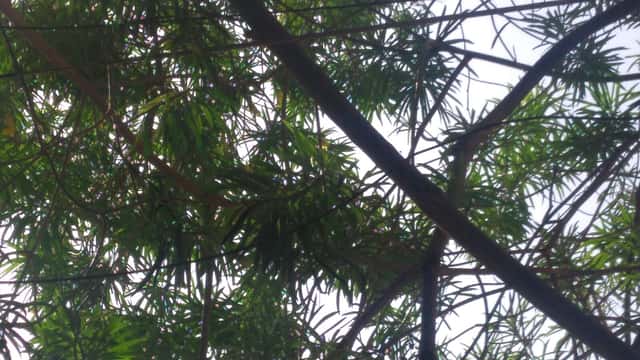
Yellow Oleander (Cascabela thevetia) is a easy-care plant from the Apocynaceae family. Yellow Oleander (Cascabela thevetia, syn. Thevetia peruviana) is an evergreen tropical shrub or small tree native to Mexico and Central America, now cultivated worldwide as an ornamental for its glossy, willow-like foliage and fragrant, funnel-shaped yellow to apricot flowers that bloom from summer...
Yellow Oleander grows up to 6.0m, spread of 250cm, watering every 14 days, 10°C – 35°C, 30–60% humidity. It is suitable for indoor environments and not safe for pets.
Unlike many tropical plants, Yellow Oleander tolerates watering mistakes. Best for beginners. Without precautions, ingestion can cause irritation in pets. Keep out of reach of cats and dogs. Without adequate drainage, root rot can develop within 28 days.
How to Care for Yellow Oleander?
TLDR: Yellow Oleander needs Direct sun, watering every 14 days, and temperatures between 10-35°C with 30-60% humidity.
How Often Should You Water Yellow Oleander?
Water deeply, then let the top of the soil dry out before watering again — about every 1-2 weeks. Never let it sit in soggy soil, as this invites root rot.
How Much Light Does Yellow Oleander Need?
Thrives in full, direct sun for the best flowering; tolerates partial shade but will bloom less.
What Is the Best Soil for Yellow Oleander?
Plant in well-draining, loamy soil enriched with organic matter; it tolerates a wide pH range but prefers neutral to slightly alkaline conditions.
What Pot Should You Use for Yellow Oleander?
A wide, well-draining terracotta or ceramic pot with generous drainage holes, sized to accommodate its woody root system as it matures.
What Is Yellow Oleander and Where Does It Come From?
Yellow Oleander (Cascabela thevetia, syn. Thevetia peruviana) is an evergreen tropical shrub or small tree native to Mexico and Central America, now cultivated worldwide as an ornamental for its glossy, willow-like foliage and fragrant, funnel-shaped yellow to apricot flowers that bloom from summer through fall. WARNING: every part of this plant — leaves, flowers, stems, sap, and especially the seeds — contains potent cardiac glycosides (thevetin A and B, peruvoside, neriifolin) and is SEVERELY TOXIC to humans, cats, and dogs if ingested, potentially causing life-threatening heart arrhythmias. Keep away from children and pets, and always wear gloves when handling it — the sap can also irritate skin.
How to Propagate Yellow Oleander?
Stem cutting
Always wear gloves and avoid touching your face when handling cuttings — the milky sap is toxic and can irritate skin and eyes. Use sterile, sharp tools.
- 1 Take a 15-20 cm (6-8 in) semi-hardwood cutting from a healthy, non-flowering stem in late summer, always wearing gloves.
- 2 Let the cut end dry and callus for a few hours, since the milky sap is toxic and can irritate skin.
- 3 Dip the callused end in rooting hormone and insert it into a well-draining mix of sand and potting soil.
- 4 Keep the soil lightly moist and in bright, indirect light until roots form, then transplant to a permanent sunny spot.
Materials needed:
How Big Does Yellow Oleander Grow?
TLDR: Yellow Oleander can reach up to 6.0m tall with Medium growth rate.
Max height
6.0m
Spread
2.5m
Growth rate
Medium
Foliage
Evergreen
Warning: Toxic Plant
This plant can be toxic if ingested. Keep out of reach of:
Plant Uses
Ornamental
Great for decoration
Is your plant showing symptoms?
Click on the symptom to discover possible causes:
What Diseases Commonly Affect Yellow Oleander?
TLDR: Yellow Oleander is susceptible to 7 known diseases. Monitor regularly for early detection.
Aphids
Aphids are small, soft-bodied, pear-shaped insects (1/16 to 1/8 inch long) that feed by sucking nutrient-rich sap from plants. They reproduce rapidly and can quickly weaken plants, causing distorted growth and transmitting plant viruses. Aphids come in various colors including green, black, red, yellow, brown, and gray. They secrete honeydew, a sticky substance that attracts ants and encourages sooty mold growth.
Spider Mites
Spider mites are tiny arachnids (less than 1/20 inch long) related to spiders and ticks that feed on plant sap. They thrive in hot, dry conditions and can cause significant damage to ornamental and vegetable plants. During severe infestations, crop losses can reach 14% or higher as these pests disrupt vital plant processes including photosynthesis, carbon dioxide absorption, and transpiration.
Scale Insects
Scale insects are small sap-sucking pests that appear as brown, shell-like bumps on plant stems and leaves. There are over 25 species, divided into armored (hard) and unarmored (soft) scales. They feed by piercing plant tissue and extracting sap, which weakens the plant and can lead to yellowing, stunted growth, and even death if left untreated. They also excrete honeydew, which attracts ants and promotes sooty mold growth.
Mealybugs
Mealybugs are small, soft-bodied insects covered with a white, waxy, cottony material. They are common pests of houseplants and outdoor plants in mild climates. These sap-sucking insects feed on plant tissue, causing damage, stunted growth, and can lead to plant death if left untreated. They produce sticky honeydew which attracts sooty mold.
Meaning & Symbolism
In parts of the Caribbean and Central America the hard black seeds are strung as "lucky nuts" and carried or worn as charms believed to bring good fortune — a striking contrast to the plant's lethal toxicity.
Fun Facts
Despite its extreme toxicity, the hard black seeds are traditionally strung into necklaces and bracelets called 'lucky nuts' in parts of the Caribbean.
All parts of the plant, even dried or burned, retain their toxic cardiac glycosides.
Its glossy, willow-like leaves and fragrant trumpet flowers make it a popular ornamental despite being one of the most poisonous garden plants in the world.
Frequently asked questions
Is Yellow Oleander safe to grow if I have kids or pets?
How often should I water Yellow Oleander?
Does Yellow Oleander need full sun?
What should I do if a pet or child eats part of this plant?
Compare with similar plants
| Attribute | Difficulty | Light | Watering | Pet Safe |
|---|---|---|---|---|
| Field Maple | Easy | Bright indirect | 14d | ✓ |
| Silver Birch | Easy | Direct sun | 14d | ✓ |
| Common Blanketflower | Easy | Direct sun | 10d | ✓ |
| Cushion Bush | Easy | Direct sun | 14d | ✓ |
Choose & Compare
Sources & References
- NC State Extension Gardener Plant Toolbox - Cascabela thevetia
- Wikipedia - Cascabela thevetia
- Yellow Oleander: Growing And Care Of Thevetia Peruviana
- Cascabela Thevetia - GDNC Nursery
- Thevetia peruviana (Campanilla, Adelfa amarilla, Tevetia)
- Cuidados y caracteristicas de Thevetia peruviana
- TRAMIL - Cascabela thevetia





