Sarraceniaceae
Yellow Pitcher Plant: Full Sun Plant
Sarracenia flava
Grow in full sun with constantly moist, acidic, nutrient-poor soil. Water only with rainwater, distilled, or deionized water — never tap, filtered, or mineral water. Never fertilize. Provide a cool winter dormancy with reduced watering, and remove dead pitchers regularly to prevent fungal disease.
Every 2 days
Direct sun
0° - 32°C
50% - 70%
Categories
What is Yellow Pitcher Plant?
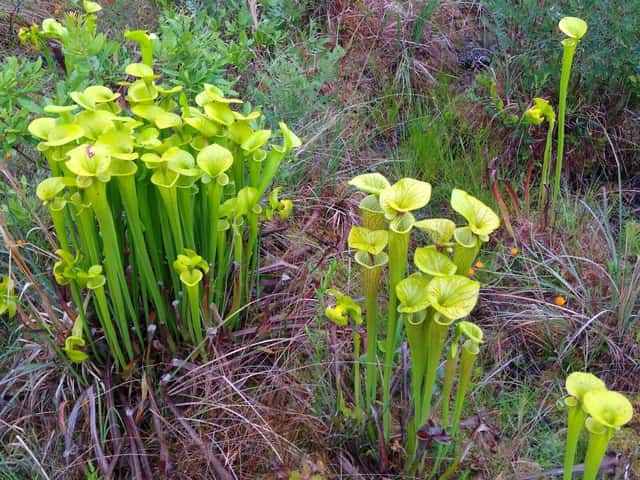
Yellow Pitcher Plant (Sarracenia flava) is a hard-care plant from the Sarraceniaceae family. Sarracenia flava, known as the yellow pitcher plant or trumpet pitcher, is a carnivorous perennial native to the bogs and wet pine savannas of the southeastern United States, from Virginia to Florida and Alabama. It produces tall, slender, trumpet-shaped pitchers in yellow-green tones topped with an...
Yellow Pitcher Plant grows up to 90cm, spread of 90cm, watering every 2 days, 0°C – 32°C, 50–70% humidity. It is suitable for indoor environments and safe for pets.
Unlike easy-care plants, Yellow Pitcher Plant demands constant attention to humidity and light. Not recommended for beginners. Unlike many popular species, Yellow Pitcher Plant is safe to keep around pets. Without adequate drainage, root rot can develop within 7 days.
How to Care for Yellow Pitcher Plant?
TLDR: Yellow Pitcher Plant needs Direct sun, watering every 2 days, and temperatures between 0-32°C with 50-70% humidity.
How Often Should You Water Yellow Pitcher Plant?
Keep the soil constantly wet by standing the pot in a tray with 2-5cm of rainwater or distilled water. Never use tap, bottled, or softened water — the salts and minerals will damage the roots over time.
How Much Light Does Yellow Pitcher Plant Need?
Provide at least 6 hours of direct sun daily. Indoors, use a south-facing window or a strong grow light positioned 15-30cm above the plant for 12-14 hours a day.
What Is the Best Soil for Yellow Pitcher Plant?
Pot in a nutrient-free, acidic mix of equal parts sphagnum peat moss and perlite or silica sand. Never use regular potting soil, compost, or fertilizer.
What Pot Should You Use for Yellow Pitcher Plant?
Use a plastic or glazed ceramic pot with drainage holes; unglazed terracotta wicks away moisture too quickly. Sit the pot in a saucer or tray to keep the soil constantly wet.
Care Schedule
Repot
Every 730 days
What Is Yellow Pitcher Plant and Where Does It Come From?
Sarracenia flava, known as the yellow pitcher plant or trumpet pitcher, is a carnivorous perennial native to the bogs and wet pine savannas of the southeastern United States, from Virginia to Florida and Alabama. It produces tall, slender, trumpet-shaped pitchers in yellow-green tones topped with an erect, hood-like lid, reaching up to 90cm in height. In spring, before new pitchers emerge, it produces striking nodding yellow flowers on long stalks. Like other Sarracenia species, it lures, traps, and digests insects to supplement the scarce nutrients of its boggy, nutrient-poor habitat.
How to Propagate Yellow Pitcher Plant?
Rhizome division
Use a sterile, sharp knife and only divide healthy, well-established plants with several growth points.
- 1 Wait until the plant is dormant or just breaking dormancy in early spring
- 2 Remove the plant from its pot and gently wash away the peat mix to expose the rhizome
- 3 Cut the rhizome into sections, making sure each piece has at least one growth point and some roots
- 4 Dust cut ends with a fungicide or cinnamon to prevent rot
- 5 Pot each division into fresh, damp sphagnum peat and sand mix
- 6 Keep in bright light and constant moisture until new growth appears
Materials needed:
Seed propagation
Germination is slow and uneven; be patient and avoid letting the tray dry out.
- 1 Collect ripe seed pods in late summer or purchase fresh seed
- 2 Cold stratify seeds by sowing on damp peat and sand and refrigerating for 4-6 weeks
- 3 Move the tray to a warm, bright spot or grow light after stratification
- 4 Keep the medium constantly moist with distilled or rainwater
- 5 Transplant seedlings once they develop their first true pitchers
Materials needed:
How Big Does Yellow Pitcher Plant Grow?
TLDR: Yellow Pitcher Plant can reach up to 90cm tall with Slow growth rate.
Max height
90cm
Spread
90cm
Growth rate
Slow
Foliage
Deciduous
Warning: Toxic Plant
This plant can be toxic if ingested. Keep out of reach of:
Plant Uses
Ornamental
Great for decoration
Is your plant showing symptoms?
Click on the symptom to discover possible causes:
What Diseases Commonly Affect Yellow Pitcher Plant?
TLDR: Yellow Pitcher Plant is susceptible to 11 known diseases. Monitor regularly for early detection.
Grey Mould
Root Rot
Root rot is a serious fungal disease that affects the root system of plants, causing them to decay and die. It is primarily caused by overwatering, poor drainage, or soil-borne fungi such as Pythium, Phytophthora, Rhizoctonia, and Fusarium. The disease thrives in waterlogged conditions where roots are deprived of oxygen, making them susceptible to fungal infection.
Powdery Mildew
Powdery mildew is a common fungal disease caused by various fungi species including Erysiphe, Podosphaera, Oïdium, and Leveillula. It affects over 10,000 plant species worldwide. The disease thrives in warm, dry climates with high humidity and appears as a distinctive white powdery coating on plant surfaces.
Southern Blight
Southern blight is a devastating soilborne fungal disease caused by Athelia rolfsii (formerly Sclerotium rolfsii), affecting over 500 plant species including vegetables, ornamentals, and fruit crops. The fungus survives in soil through resting structures called sclerotia that resemble mustard seeds and can remain viable for years.
Meaning & Symbolism
As a carnivorous plant that thrives in nutrient-poor bogs by trapping and digesting insects, Sarracenia flava symbolizes resourcefulness, adaptability, and survival against the odds.
Compare with similar plants
| Attribute | Difficulty | Light | Watering | Pet Safe |
|---|---|---|---|---|
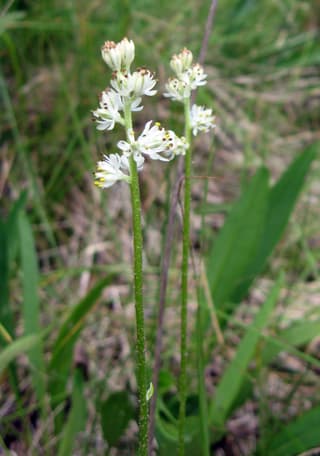
| Sticky false asphodel | Hard | Bright indirect | 1d | ✓ |
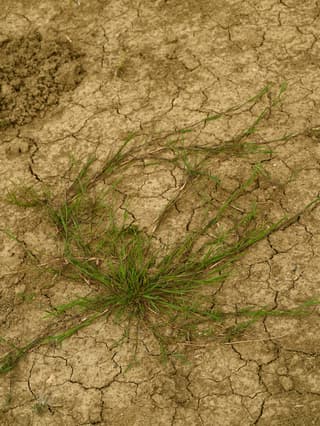
| Creeping bentgrass | Hard | Direct sun | 3d | ✓ |
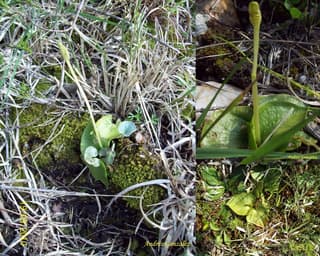
| Bulbous Adder's-tongue | Hard | Partial shade | 4d | ✓ |
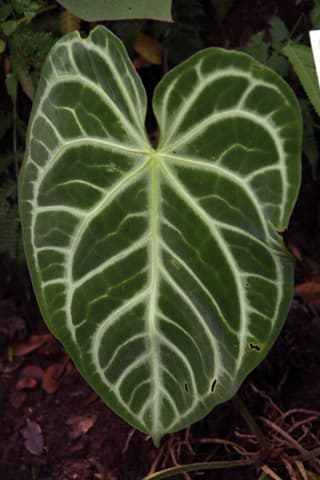
| Crystal Anthurium | Hard | Partial shade | 7d | ⚠️ |
Choose & Compare
Sources & References
- Sarracenia flava - RHS
- Sarracenia flava - NC State Extension Gardener Plant Toolbox
- Growing Pitcher Plants (Sarracenia) - UK Houseplants
- How to Identify and Control 11 Pitcher Plant Pests - Gardener's Path
- Pitcher Plant Problems - Gardening Know How
- Sarracenia flava (Yellow Pitcher Plant) - Gardenia.net