Gentianaceae
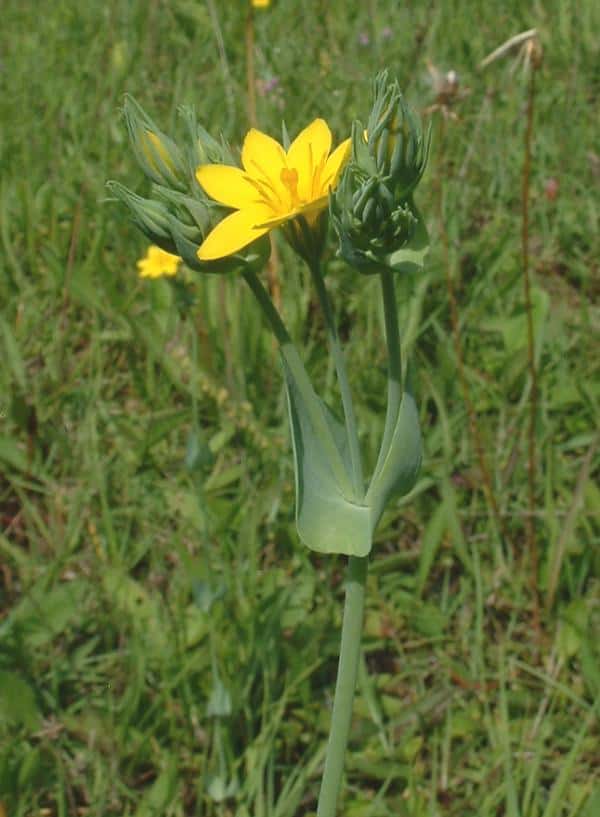
Yellow-wort (Blackstonia perfoliata)
Blackstonia perfoliata
An easy-going, self-sufficient wildflower once established in the right spot. Give it full sun and a lean, free-draining alkaline soil, and it largely looks after itself with no regular feeding and minimal watering once established.
Every 10 days
Direct sun
5° - 30°C
40% - 70%
Categories
What is Yellow-wort?
Yellow-wort (Blackstonia perfoliata) is a easy-care plant from the Gentianaceae family. Yellow-wort (Blackstonia perfoliata) is a low-growing annual wildflower in the gentian family, native to the Mediterranean Basin and extending into northwestern Europe, including Britain, Ireland and Iberia. It grows 10-50cm tall on stiff, branching stems, with distinctive bluish-green waxy leaves t...
Yellow-wort grows up to 50cm, watering every 10 days, 5°C – 30°C, 40–70% humidity. It is not suitable for indoor environments and safe for pets.
Unlike many tropical plants, Yellow-wort tolerates watering mistakes. Best for beginners. Unlike many popular species, Yellow-wort is safe to keep around pets.
How to Care for Yellow-wort?
TLDR: Yellow-wort needs Direct sun, watering every 10 days, and temperatures between 5-30°C with 40-70% humidity.
How Often Should You Water Yellow-wort?
Water sparingly. Let the soil dry out almost completely between waterings - the waxy leaves store moisture and the plant is naturally drought-tolerant, reflecting its origins on dry chalk and limestone grassland.
How Much Light Does Yellow-wort Need?
Needs full, direct sun for most of the day. It is a plant of open, unshaded grassland and will become leggy and flower poorly in shade.
What Is the Best Soil for Yellow-wort?
Grow in poor to moderately fertile, sharply-draining, alkaline (chalky or limy) soil. Rich or heavily fertilized soil encourages lush foliage at the expense of flowers and can favour competing grasses over this small wildflower.
What Pot Should You Use for Yellow-wort?
Not typically grown in pots - best suited to open ground, wildflower meadows or gravel/chalk gardens; if potted, use a wide, shallow, unglazed terracotta pot with very free-draining, lime-enriched compost.
What Is Yellow-wort and Where Does It Come From?
Yellow-wort (Blackstonia perfoliata) is a low-growing annual wildflower in the gentian family, native to the Mediterranean Basin and extending into northwestern Europe, including Britain, Ireland and Iberia. It grows 10-50cm tall on stiff, branching stems, with distinctive bluish-green waxy leaves that fuse together in opposite pairs to form a shallow saucer around the stem. From June to October it produces clusters of bright yellow, star-shaped flowers with 6-8 pointed petals that close in the afternoon. It is a classic indicator of chalk and limestone grassland, thriving on sunny, lime-rich, nutrient-poor soils where it self-sows freely.
How to Propagate Yellow-wort?
Seed sowing
Sow into poor, lime-rich soil rather than enriched compost. Once established in a suitable spot the plant usually self-sows every year, so bare patches of chalky ground nearby are welcome.
- 1 Sow seed thinly in early spring directly where it is to flower, or in pots in a cold frame
- 2 Keep the soil surface just moist but not wet until germination
- 3 Thin or transplant seedlings once large enough to handle, spacing them a few centimetres apart
- 4 Plant out into a sunny, free-draining alkaline bed once seedlings are established
Materials needed:
How Big Does Yellow-wort Grow?
TLDR: Yellow-wort can reach up to 50cm tall with Fast growth rate.
Max height
50cm
Growth rate
Fast
Foliage
Deciduous
Plant Uses
Ornamental
Great for decoration
Is your plant showing symptoms?
Click on the symptom to discover possible causes:
What Diseases Commonly Affect Yellow-wort?
TLDR: Yellow-wort is susceptible to 1 known diseases. Monitor regularly for early detection.
Fun Facts
The paired leaves fuse together at the base to form a shallow saucer that the stem appears to pierce through - this is what "perfoliata" means.
Its flowers typically close up in the afternoon, a trait shared with several other gentian family relatives.
It is considered an indicator species for high-quality chalk and limestone grassland.
The genus name Blackstonia honours 18th-century London apothecary and botanist John Blackstone.
Frequently asked questions
How often should I water Yellow-wort?
What soil does Yellow-wort need?
Is Yellow-wort toxic to pets?
Does Yellow-wort come back every year?
Why is it called Yellow-wort?
Compare with similar plants
| Attribute | Difficulty | Light | Watering | Pet Safe |
|---|---|---|---|---|
| Field Maple | Easy | Bright indirect | 14d | ✓ |
| Silver Birch | Easy | Direct sun | 14d | ✓ |
| Common Blanketflower | Easy | Direct sun | 10d | ✓ |
| Cushion Bush | Easy | Direct sun | 14d | ✓ |
Choose & Compare
Sources & References
- Blackstonia perfoliata, Yellow-wort: identification, distribution, habitat
- Blackstonia perfoliata Yellow Wort - PFAF Plant Database
- Yellow-wort | The Wildlife Trusts
- Blackstonia perfoliata - Wikipedia
- Blackstonia perfoliata | yellowwort - RHS
- Yellow wort (Blackstonia perfoliata) - PictureThis
- Blackstonia perfoliata Seeds (Yellow Wort) - Plant World Seeds
- Centaura amarilla - Blackstonia perfoliata - Region de Murcia Digital





