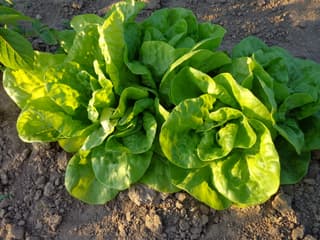
Lettuces with Root Rot: Causes & Solutions
Lactuca
Lettuces is a plant that needs bright light and frequent watering. When showing root rot, it may indicate issues related to its environment or care.
Is your Lettuces showing root rot? Discover 3 possible causes and how to treat them.
🔍 Possible Causes (3)
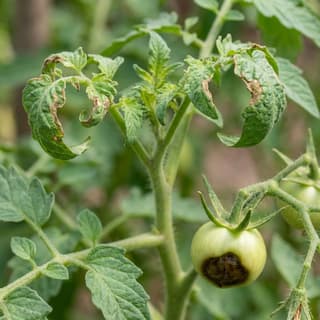
Calcium Deficiency
Calcium deficiency is a common plant disorder caused by insufficient bioavailable calcium in the growing medium or, more frequently, by low transpiration rates that prevent proper calcium transport to new growth. It manifests as necrotic leaf margins, curling of young leaves, stunted growth, and in severe cases, conditions like blossom end rot in fruits. The disorder primarily affects rapidly growing tissues where calcium demand is highest.
✓ Related symptoms:
- • Necrotic margins on young leaves
- • Blossom end rot on tomatoes, peppers, and eggplants
- • Cavity spot on carrots and root vegetables
⚡ Quick Fixes:
Step 1
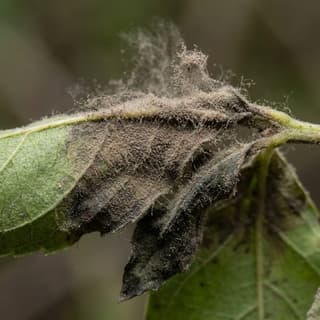
Gray Mold (Botrytis Blight)
Gray mold, caused by the fungus Botrytis cinerea, is a widespread necrotrophic pathogen affecting over 1,400 plant species. It thrives in cool, humid conditions and attacks weakened or aging plant tissues, causing soft rot and characteristic gray fuzzy growth.
✓ Related symptoms:
- • Black, hard sclerotia (fungal survival structures) forming under rotted areas
⚡ Quick Fixes:
Step 1

White Mold
White mold (Sclerotinia sclerotiorum) is a devastating fungal disease affecting over 400 plant species worldwide. The fungus produces black, seed-like structures (sclerotia) that can survive in soil for 5 or more years. The disease is favored by cool, moist weather (50-68°F/10-20°C), especially during flowering.
✓ Related symptoms:
- • Soft, watery rot near soil level
- • Black sclerotia (0.5-1cm) in white fungal mass
⚡ Quick Fixes:
Immediate removal