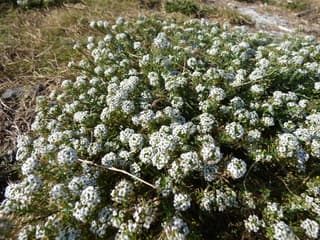
Sweet Alyssum (genus) with Slow Growth: Pet-Safe Treatment
Lobularia
Sweet Alyssum (genus) is a plant that needs bright light and moderate watering. When showing slow growth, it may indicate issues related to its environment or care.
Is your Sweet Alyssum (genus) showing slow growth? Discover 3 possible causes and how to treat them.
🔍 Possible Causes (3)
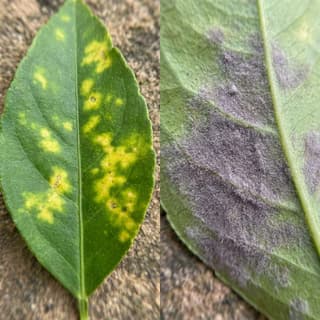
Downy Mildew
Downy mildew is a fungal-like disease caused by oomycetes (water molds) that thrives in cool, wet conditions. It affects a wide range of plants, causing yellowing leaves with fuzzy white-gray growth underneath, leading to defoliation and reduced yields if left untreated.
✓ Related symptoms:
- • Stunted growth in severe cases
⚡ Quick Fixes:
Remove and destroy all infected plant parts. For severe infections, remove entire plant.
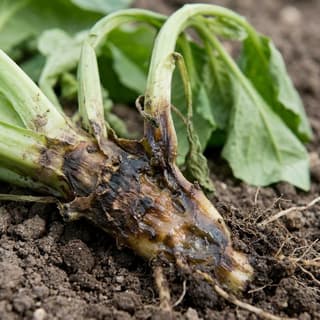
Crown Rot
Crown rot is a serious fungal disease that attacks the crown (base) of the plant where the stem meets the soil. It is caused by various fungal pathogens including Phytophthora, Fusarium, and Rhizoctonia. The disease thrives in waterlogged conditions and can quickly spread to kill the entire plant if not addressed promptly.
✓ Related symptoms:
- • Stunted or slowed growth
⚡ Quick Fixes:
Immediate unpotting
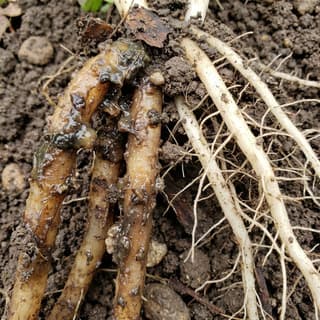
Root Rot
Root rot is a serious fungal disease that affects the root system of plants, causing them to decay and die. It is primarily caused by overwatering, poor drainage, or soil-borne fungi such as Pythium, Phytophthora, Rhizoctonia, and Fusarium. The disease thrives in waterlogged conditions where roots are deprived of oxygen, making them susceptible to fungal infection.
✓ Related symptoms:
- • Stunted growth and poor vigor
⚡ Quick Fixes:
Emergency unpotting