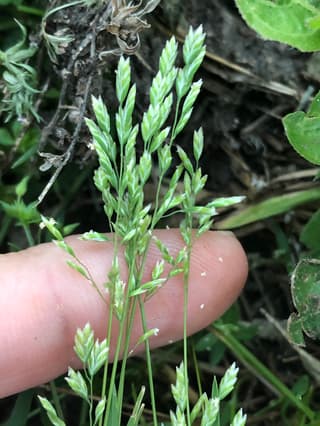
Annual Meadow Grass with Yellow Leaves: Pet-Safe Treatment
Poa annua
Annual Meadow Grass is a plant that needs indirect light and infrequent watering. When showing yellow leaves, it may indicate issues related to its environment or care.
Is your Annual Meadow Grass showing yellow leaves? Discover 4 possible causes and how to treat them.
🔍 Possible Causes (4)
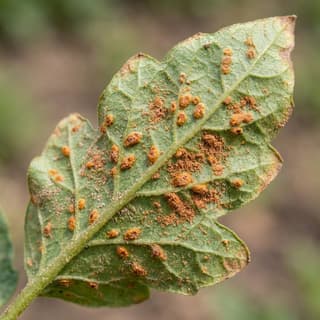
Rust
Rust is a common fungal disease caused by fungi in the order Pucciniales that affects a wide variety of plants. The disease gets its name from the characteristic orange, yellow, or reddish-brown pustules that appear on leaves, resembling metal rust. This obligate fungal parasite requires living plants to survive and can cause significant economic losses in agricultural crops.
✓ Related symptoms:
- • Raised orange, yellow, brown, or red pustules on leaf surfaces
- • Premature yellowing and leaf drop
⚡ Quick Fixes:
Immediate Pruning
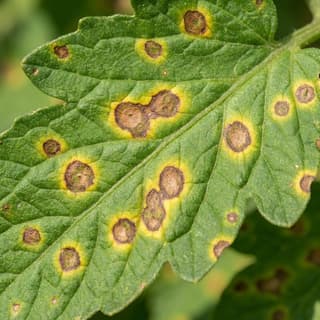
Leaf Spot
Leaf spot is a common fungal disease caused by various pathogens including Alternaria, Ascochyta, Colletotrichum, Septoria, and Venturia. It primarily affects leaves, causing discolored spots that can lead to premature leaf drop if left untreated.
✓ Related symptoms:
- • Circular brown, gray, black, or yellow spots on leaves
- • Yellow halo surrounding spots
⚡ Quick Fixes:
Remove all visibly infected leaves
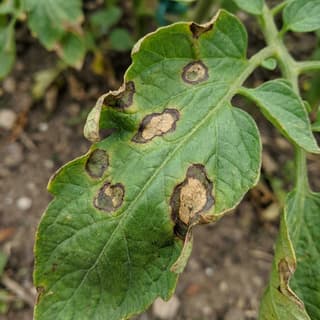
Anthracnose
Anthracnose is a fungal disease caused by fungi in the genus Colletotrichum that affects many plants, including vegetables, fruits, and trees. The disease thrives in cool, wet conditions, causing dark, sunken lesions on leaves, stems, flowers, and fruits.
✓ Related symptoms:
- • Small irregular yellow or brown spots on leaves
⚡ Quick Fixes:
Remove and discard all visibly infected parts
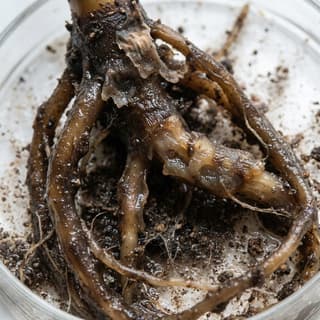
Pythium Root Rot
Pythium root rot is a serious fungal disease caused by various Pythium species including P. aphanidermatum, P. ultimum, and P. irregulare. These water molds are present in practically all cultivated soils and attack plant roots under wet conditions, causing rapid wet rot that can extend into the stem. The disease is favored by poor drainage, overwatering, and specific temperatures depending on the species.
✓ Related symptoms:
- • Progressive yellowing of leaves
⚡ Quick Fixes:
Step 1