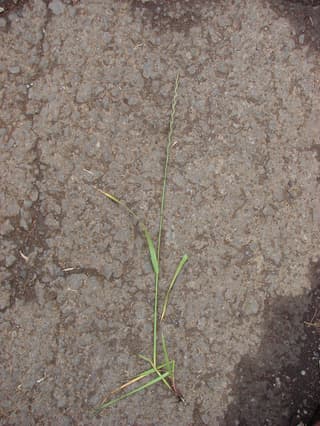
Ryegrasses with Slow Growth: Pet-Safe Treatment
Lolium
Ryegrasses is a plant that needs bright light and moderate watering. When showing slow growth, it may indicate issues related to its environment or care.
Is your Ryegrasses showing slow growth? Discover 3 possible causes and how to treat them.
🔍 Possible Causes (3)
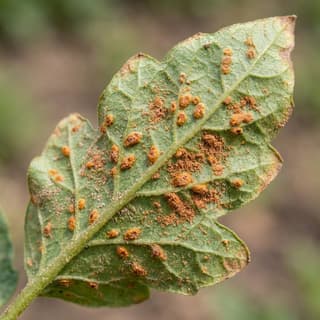
Rust
Rust is a common fungal disease caused by fungi in the order Pucciniales that affects a wide variety of plants. The disease gets its name from the characteristic orange, yellow, or reddish-brown pustules that appear on leaves, resembling metal rust. This obligate fungal parasite requires living plants to survive and can cause significant economic losses in agricultural crops.
✓ Related symptoms:
- • Stunted plant growth
⚡ Quick Fixes:
Immediate Pruning
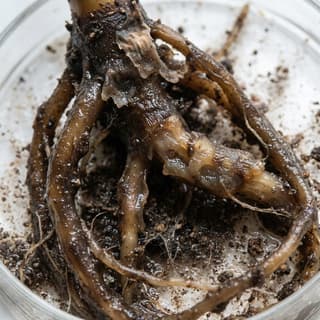
Pythium Root Rot
Pythium root rot is a serious fungal disease caused by various Pythium species including P. aphanidermatum, P. ultimum, and P. irregulare. These water molds are present in practically all cultivated soils and attack plant roots under wet conditions, causing rapid wet rot that can extend into the stem. The disease is favored by poor drainage, overwatering, and specific temperatures depending on the species.
✓ Related symptoms:
- • Stunted growth and undersized plants
⚡ Quick Fixes:
Step 1
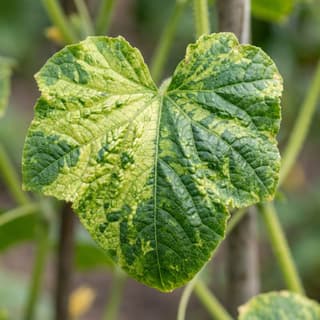
Mosaic Virus
Mosaic virus is a group of plant viruses that cause mottled, patchy patterns on leaves and can affect a wide variety of plants. The virus creates characteristic yellow, white, and green mosaic patterns, often accompanied by stunted growth and deformed plant parts. This highly contagious disease spreads rapidly through insect vectors and contaminated tools.
✓ Related symptoms:
- • Stunted growth and reduced plant size
⚡ Quick Fixes:
Step 1