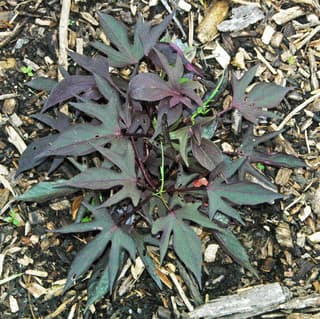
Blackie sweet potato vine with Yellow Leaves: Causes & Solutions
Ipomoea batatas 'Blackie'
Blackie sweet potato vine is a plant that needs bright light and moderate watering. When showing yellow leaves, it may indicate issues related to its environment or care.
Is your Blackie sweet potato vine showing yellow leaves? Discover 5 possible causes and how to treat them.
🔍 Possible Causes (5)
Rust
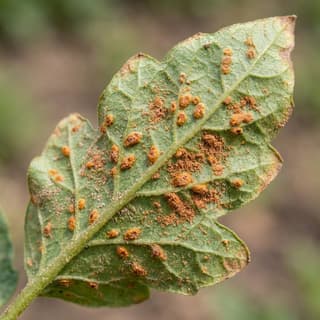
Rust is a common fungal disease caused by fungi in the order Pucciniales that affects a wide variety of plants. The disease gets its name from the characteristic orange, yellow, or reddish-brown pustules that appear on leaves, resembling metal rust. This obligate fungal parasite requires living plants to survive and can cause significant economic losses in agricultural crops.
✓ Related symptoms:
- • Raised orange, yellow, brown, or red pustules on leaf surfaces
- • Premature yellowing and leaf drop
⚡ Quick Fixes:
Immediate Pruning
Leaf Spot
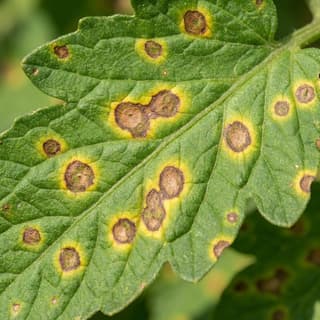
Leaf spot is a common fungal disease caused by various pathogens including Alternaria, Ascochyta, Colletotrichum, Septoria, and Venturia. It primarily affects leaves, causing discolored spots that can lead to premature leaf drop if left untreated.
✓ Related symptoms:
- • Circular brown, gray, black, or yellow spots on leaves
- • Yellow halo surrounding spots
⚡ Quick Fixes:
Remove all visibly infected leaves
Fusarium Wilt
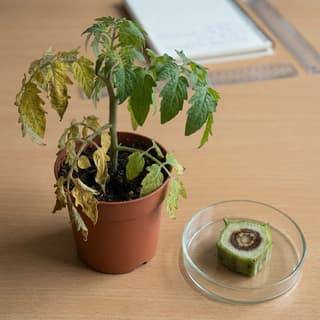
Fusarium wilt is a serious fungal disease caused by the soil-borne fungus Fusarium oxysporum. The fungus invades roots and blocks the water-conducting vessels (xylem) of the plant, causing progressive wilting and eventual death. Host-specific forms of the pathogen exist that attack different plant species.
✓ Related symptoms:
- • Asymmetrical yellowing of leaves (one side of plant or leaflets)
- • Pale green to golden yellow foliage
⚡ Quick Fixes:
Remove Plant
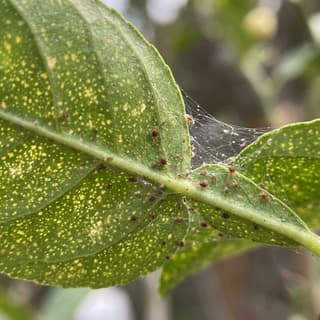
Spider Mites
Spider mites are tiny arachnids (less than 1/20 inch long) related to spiders and ticks that feed on plant sap. They thrive in hot, dry conditions and can cause significant damage to ornamental and vegetable plants. During severe infestations, crop losses can reach 14% or higher as these pests disrupt vital plant processes including photosynthesis, carbon dioxide absorption, and transpiration.
✓ Related symptoms:
- • Tiny yellow or white speckles on leaf surface (stippling)
- • Leaves taking on yellow or bronzed appearance
⚡ Quick Fixes:
Step 1
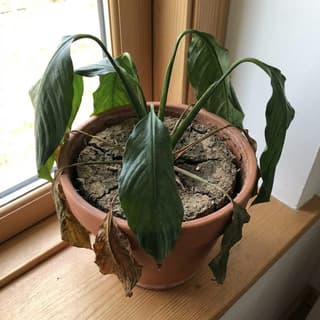
Underwatering
Underwatering or drought stress is a physiological disorder that occurs when the amount of water a plant loses through transpiration exceeds the amount its roots can absorb from the soil. This leads to cellular dehydration and various visible symptoms that can compromise plant health and productivity.
✓ Related symptoms:
- • Yellowing leaves, especially older ones (chlorosis)
⚡ Quick Fixes:
Step 1