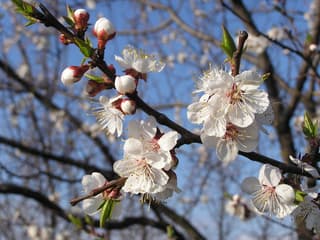
Apricot with Slow Growth: Causes & Solutions
Prunus armeniaca
Apricot is a plant that needs bright light and infrequent watering. When showing slow growth, it may indicate issues related to its environment or care.
Is your Apricot showing slow growth? Discover 2 possible causes and how to treat them.
🔍 Possible Causes (2)

Aphids
Aphids are small, soft-bodied, pear-shaped insects (1/16 to 1/8 inch long) that feed by sucking nutrient-rich sap from plants. They reproduce rapidly and can quickly weaken plants, causing distorted growth and transmitting plant viruses. Aphids come in various colors including green, black, red, yellow, brown, and gray. They secrete honeydew, a sticky substance that attracts ants and encourages sooty mold growth.
✓ Related symptoms:
- • Stunted or deformed new growth
⚡ Quick Fixes:
Step 1
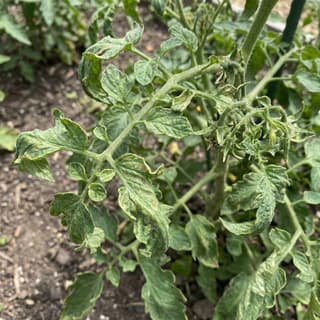
Leaf Curl Virus
Leaf curl virus is a serious viral disease caused by begomoviruses, transmitted by whiteflies (Bemisia tabaci). It affects various plants including tomatoes, peppers, and ornamentals, causing significant yield losses and plant decline. Once infected, plants cannot be cured and management focuses on prevention and vector control.
✓ Related symptoms:
- • Stunted plant growth and bushy appearance
⚡ Quick Fixes:
Step 1