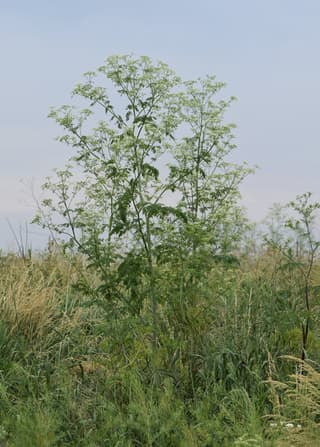
Poison hemlock with Falling Leaves: Causes & Solutions
Conium maculatum
Poison hemlock is a plant that needs bright light and . When showing falling leaves, it may indicate issues related to its environment or care.
Is your Poison hemlock showing falling leaves? Discover 3 possible causes and how to treat them.
🔍 Possible Causes (3)
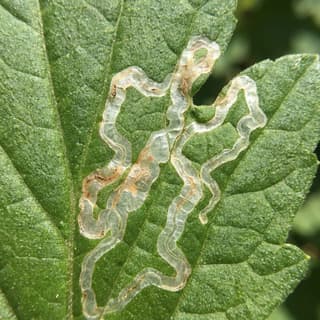
Leafminers
Leafminers are the larvae of various insects including flies, moths, sawflies, and beetles that tunnel between leaf surfaces, creating distinctive serpentine trails or blotchy patches. While primarily cosmetic, severe infestations can weaken plants by reducing photosynthesis capacity and making them susceptible to secondary infections.
✓ Related symptoms:
- • Leaf yellowing and premature drop
⚡ Quick Fixes:
Step 1
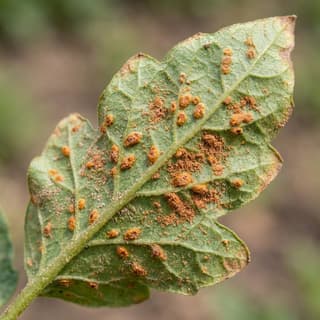
Rust
Rust is a common fungal disease caused by fungi in the order Pucciniales that affects a wide variety of plants. The disease gets its name from the characteristic orange, yellow, or reddish-brown pustules that appear on leaves, resembling metal rust. This obligate fungal parasite requires living plants to survive and can cause significant economic losses in agricultural crops.
✓ Related symptoms:
- • Premature yellowing and leaf drop
⚡ Quick Fixes:
Immediate Pruning
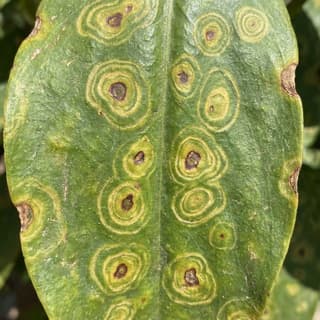
Ringspot Virus
Ringspot virus is a viral disease affecting various plant species, causing distinctive circular or ring-shaped chlorotic patterns on leaves and fruits. Transmitted primarily by aphids, nematodes, or through contaminated tools, this virus cannot be cured and infected plants must be managed carefully to prevent spread. The virus weakens plants, reduces yield, and can spread rapidly in gardens if not properly contained.
✓ Related symptoms:
- • Premature leaf drop in severe infections
⚡ Quick Fixes:
Emergency isolation NOW