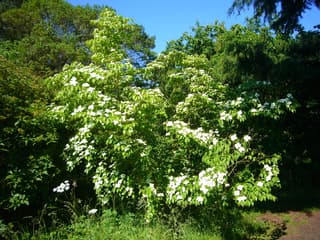
Kousa Dogwood with Slow Growth: Causes & Solutions
Cornus kousa
Kousa Dogwood is a plant that needs bright light and moderate watering. When showing slow growth, it may indicate issues related to its environment or care.
Is your Kousa Dogwood showing slow growth? Discover 3 possible causes and how to treat them.
🔍 Possible Causes (3)
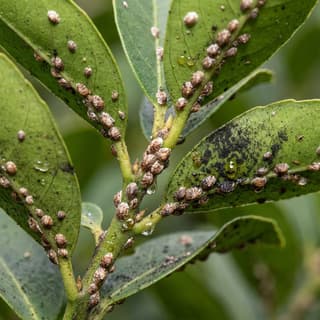
Scale Insects
Scale insects are small sap-sucking pests that appear as brown, shell-like bumps on plant stems and leaves. There are over 25 species, divided into armored (hard) and unarmored (soft) scales. They feed by piercing plant tissue and extracting sap, which weakens the plant and can lead to yellowing, stunted growth, and even death if left untreated. They also excrete honeydew, which attracts ants and promotes sooty mold growth.
✓ Related symptoms:
- • Stunted growth and reduced plant vigor
⚡ Quick Fixes:
Step 1
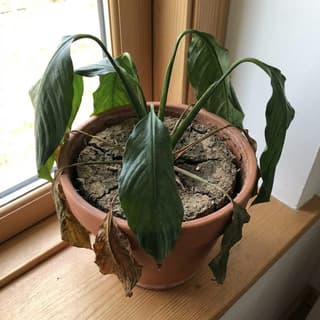
Underwatering
Water deficiency occurs when a plant cannot absorb enough moisture to meet its transpiration and metabolic demands. Also known as drought stress or underwatering, this condition deprives cells of turgor pressure, leading to wilting, leaf scorch, and — if prolonged — permanent root and tissue damage. It is one of the most common causes of houseplant decline and is fully reversible when caught early.
✓ Related symptoms:
- • Stunted or halted new growth
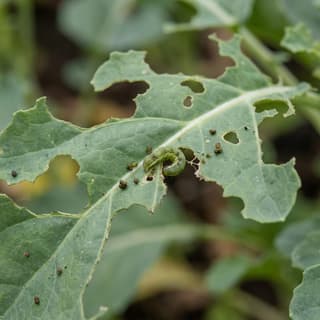
Caterpillars
Caterpillars are the larval stage of moths and butterflies that feed voraciously on plant foliage, stems, flowers, and fruits. Common species include cabbage loopers, tomato hornworms, armyworms, and cutworms. These pests can cause extensive damage by consuming large amounts of plant tissue in a short time. They vary in size from small (1/4 inch) to large (5 inches), with colors ranging from green to brown, often featuring stripes or spots. Caterpillars are highly mobile and can quickly spread throughout gardens, making them one of the most destructive common pests.
✓ Related symptoms:
- • Stunted plant growth from severe feeding damage
⚡ Quick Fixes:
Step 1