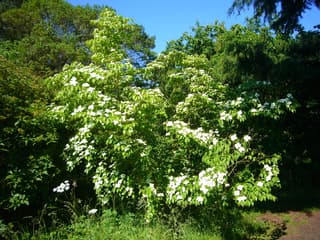
Kousa Dogwood with Wilting Leaves: Causes & Solutions
Cornus kousa
Kousa Dogwood is a plant that needs bright light and moderate watering. When showing wilting leaves, it may indicate issues related to its environment or care.
Is your Kousa Dogwood showing wilting leaves? Discover 5 possible causes and how to treat them.
🔍 Possible Causes (5)
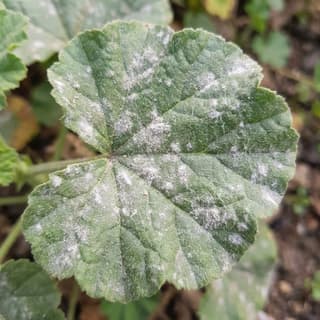
Powdery Mildew
Powdery mildew is a common fungal disease caused by various fungi species including Erysiphe, Podosphaera, Oïdium, and Leveillula. It affects over 10,000 plant species worldwide. The disease thrives in warm, dry climates with high humidity and appears as a distinctive white powdery coating on plant surfaces.
✓ Related symptoms:
- • Early wilting and leaf browning
⚡ Quick Fixes:
Remove heavily infected areas
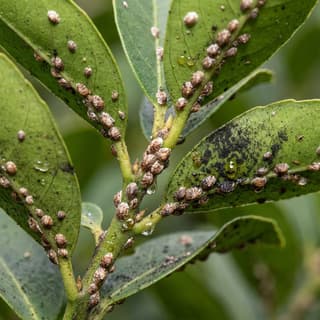
Scale Insects
Scale insects are small sap-sucking pests that appear as brown, shell-like bumps on plant stems and leaves. There are over 25 species, divided into armored (hard) and unarmored (soft) scales. They feed by piercing plant tissue and extracting sap, which weakens the plant and can lead to yellowing, stunted growth, and even death if left untreated. They also excrete honeydew, which attracts ants and promotes sooty mold growth.
✓ Related symptoms:
- • Drooping or wilting leaves
⚡ Quick Fixes:
Step 1
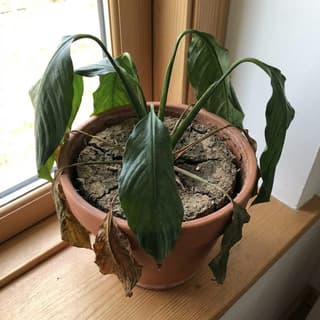
Underwatering
Water deficiency occurs when a plant cannot absorb enough moisture to meet its transpiration and metabolic demands. Also known as drought stress or underwatering, this condition deprives cells of turgor pressure, leading to wilting, leaf scorch, and — if prolonged — permanent root and tissue damage. It is one of the most common causes of houseplant decline and is fully reversible when caught early.
✓ Related symptoms:
- • Wilting or drooping stems and leaves that feel limp
Gray Mold (Botrytis Blight)
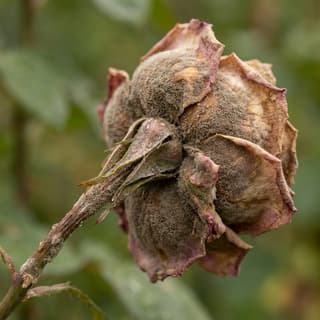
Gray mold, caused by the fungus Botrytis cinerea, is one of the most common fungal diseases in plants. It affects over 200 plant species, including ornamentals, vegetables, fruits, and houseplants. The disease thrives in cool, humid conditions with poor air circulation, causing grayish spots and soft rot on infected tissues.
✓ Related symptoms:
- • Wilting and collapse of affected tissues
⚡ Quick Fixes:
Remove and dispose of all visibly infected parts
Canker
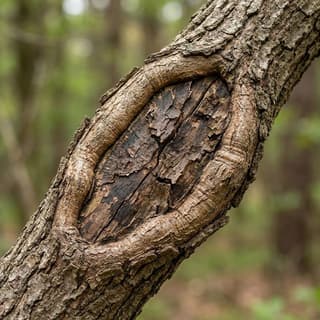
Canker is a disease caused by various fungi and bacteria that create necrotic, sunken areas on bark of branches, stems, and trunks. Pathogens enter through wounds and natural openings, especially when plants are stressed. Canker can gradually weaken or kill branches by disrupting water and nutrient flow.
✓ Related symptoms:
- • Wilting foliage above infection site
⚡ Quick Fixes:
Identify and mark all branches with canker