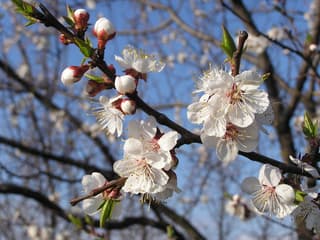
Apricot with Leaf Spots: Causes & Solutions
Prunus armeniaca
Apricot is a plant that needs bright light and infrequent watering. When showing leaf spots, it may indicate issues related to its environment or care.
Is your Apricot showing leaf spots? Discover 5 possible causes and how to treat them.
🔍 Possible Causes (5)
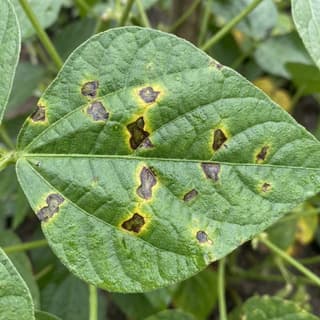
Bacterial Leaf Spot
Bacterial leaf spot is a plant disease caused by bacteria in the Xanthomonas and Pseudomonas genera that affects various ornamental and edible plants. The bacteria infect leaves through wounds or natural openings, causing characteristic lesions that can lead to premature leaf drop and plant weakening.
✓ Related symptoms:
- • Small water-soaked spots on leaves
- • Brown or black lesions with yellow halos
- • Spots usually uniform in size
⚡ Quick Fixes:
Remove infected leaves
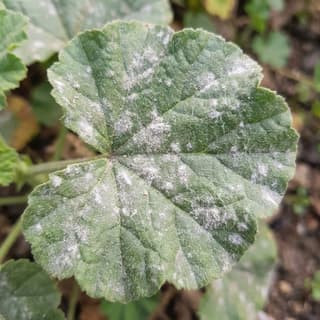
Powdery Mildew
Powdery mildew is a common fungal disease caused by various fungi species including Erysiphe, Podosphaera, Oïdium, and Leveillula. It affects over 10,000 plant species worldwide. The disease thrives in warm, dry climates with high humidity and appears as a distinctive white powdery coating on plant surfaces.
✓ Related symptoms:
- • White to gray powdery spots on leaves, stems, and buds
⚡ Quick Fixes:
Remove heavily infected areas
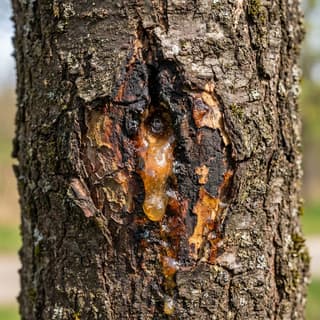
Bacterial Canker
Serious bacterial disease affecting stone fruits and tomatoes caused by Pseudomonas syringae or Clavibacter michiganensis. Creates sunken lesions that ooze sap.
✓ Related symptoms:
- • Sunken water-soaked lesions
⚡ Quick Fixes:
Emergency pruning
Canker
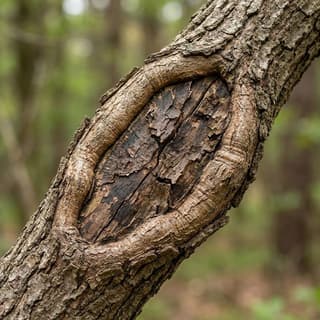
Canker is a disease caused by various fungi and bacteria that create necrotic, sunken areas on bark of branches, stems, and trunks. Pathogens enter through wounds and natural openings, especially when plants are stressed. Canker can gradually weaken or kill branches by disrupting water and nutrient flow.
✓ Related symptoms:
- • Sunken, discolored lesions on bark
- • Progressive branch dieback beyond lesion
⚡ Quick Fixes:
Identify and mark all branches with canker
Spider Mites
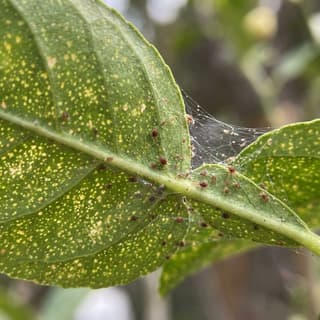
Spider mites are tiny arachnids (less than 1/20 inch long) related to spiders and ticks that feed on plant sap. They thrive in hot, dry conditions and can cause significant damage to ornamental and vegetable plants. During severe infestations, crop losses can reach 14% or higher as these pests disrupt vital plant processes including photosynthesis, carbon dioxide absorption, and transpiration.
✓ Related symptoms:
- • Pale discoloration spots on leaves
⚡ Quick Fixes:
Step 1