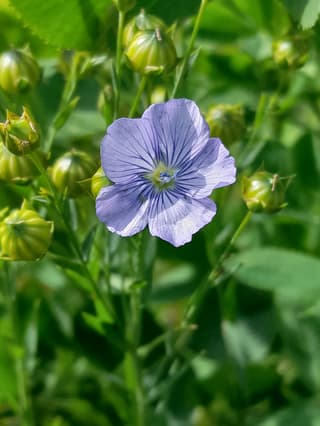
Flax with Anthracnose: Prevention & Cure
Linum usitatissimum
Anthracnose on Flax: What to Know?
Anthracnose on Flax (Linum usitatissimum) is a fungal condition with high severity. Flax has moderate susceptibility to this disease. Anthracnose is a fungal disease caused by fungi in the genus Colletotrichum that affects many plants, including vegetables, fruits, and trees. The disease thrives in cool, wet conditions, causing dark...
Flax is a easy-care plant. Recovery from Anthracnose takes approximately 14 days with proper treatment.
Unlike bacterial infections, Anthracnose on Flax can be managed with organic fungicides. Without precautions, chemical treatments for Anthracnose can be harmful to pets. Use organic methods for Flax in pet-friendly homes.
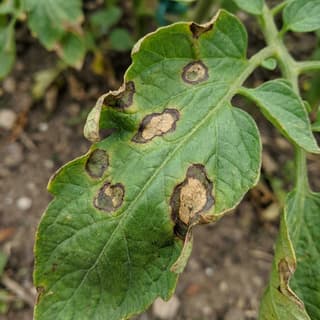
🔍 What Does Anthracnose Look Like on Flax?
- • Small irregular yellow or brown spots on leaves
- • Dark sunken lesions on leaves, stems, flowers and fruits
- • Water-soaked lesions that darken as they age
- • Pink gelatinous masses of spores in lesion centers during warm, moist weather
- • Spots that expand and may cover entire leaves
- • Defoliation in advanced stages
❓ What Causes Anthracnose on Flax?
- → Caused by fungi in the genus Colletotrichum
- → Cool wet weather promotes development
- → Optimum temperature between 75-85°F (24-29°C)
- → Foliage wet for extended periods of time
- → Fungi overwinter in seeds, soil and garden debris
- → Spores spread through water droplets
💊 How to Treat Anthracnose on Flax?
TLDR: Treat Anthracnose on Flax with quick treatment (~7 days) or organic (~14 days). Flax has moderate susceptibility to this disease.
Quick Fixes
Remove and discard all visibly infected parts
Remove and discard all visibly infected parts
Apply commercial systemic fungicide (azoxystrobin or mancozeb)
Apply commercial systemic fungicide (azoxystrobin or mancozeb)
Adjust irrigation to avoid wetting foliage
Adjust irrigation to avoid wetting foliage
Second application of systemic fungicide
Second application of systemic fungicide
Assess treatment effectiveness
Assess treatment effectiveness
Organic Treatment
Remove all infected plant parts and discard in plastic bag
Remove all infected plant parts and discard in plastic bag
Apply organic liquid copper spray to all plant surfaces
Apply organic liquid copper spray to all plant surfaces
Switch irrigation regime to drip, avoiding foliage wetting
Switch irrigation regime to drip, avoiding foliage wetting
Second application of copper fungicide or neem oil
Second application of copper fungicide or neem oil
Assess progress and remove any new lesions
Assess progress and remove any new lesions
Final organic fungicide application and ongoing monitoring
Final organic fungicide application and ongoing monitoring
🛡️ How to Prevent Anthracnose on Flax?
TLDR: Prevent Anthracnose on Flax with 8 essential preventive care practices.
- ✓ Implement drip irrigation instead of overhead watering
- ✓ Give plants enough room to breathe and reduce humidity
- ✓ Remove infected plant material after harvest
- ✓ Practice crop rotation between hosts and non-hosts
- ✓ Choose resistant plant varieties when possible
- ✓ Use western grown seeds not exposed to the disease
- ✓ Avoid wetting foliage during watering
- ✓ Ensure good air circulation around plants
🌱 How to Care for Flax to Prevent Anthracnose?
💧 How to Water
Water when the top 2-3 cm of substrate are dry, increasing frequency just before and after flowering. Avoid waterlogging: excess moisture promotes root rot and damping-off in seedlings.
☀️ Lighting
Requires direct full sun (minimum 6 hours daily); in partial shade, it grows weak and produces few flowers. It is ideal for south-facing balconies or gardens.
🪴 Ideal Soil
Prefers loose, deep, organic-rich soils with good drainage and a pH between 5.5 and 7.5. Avoid compacted clay soils that retain excessive water.
Frequently asked questions
Can Anthracnose kill my Flax?
How long does Flax take to recover from Anthracnose?
Is Anthracnose contagious to other plants near Flax?
Sources & References
- Anthracnose: Identification, Prevention & Treatment | Gardening Know How
- Anthracnose: How to Identify, Control, and Prevent Anthracnose | The Old Farmer's Almanac
- Anthracnose Disease: Symptoms, Treatment and Control | Planet Natural
- Anthracnose: Symptoms, Prevention & Treatment Methods
- How to Identify, Treat, and Prevent Anthracnose
- Linum usitatissimum (Common Flax) - NC State Extension Gardener Plant Toolbox
- Linum usitatissimum - Plants For A Future
- Overview and Management of the Most Common Eukaryotic Diseases of Flax (Linum usitatissimum)
- Flax (Linum spp.)-Rust - PNW Plant Disease Management Handbook
- Propiedades de la linaza - Botanical-online
- How to Grow Flax - Growing Flax in Containers