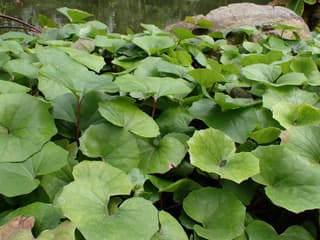
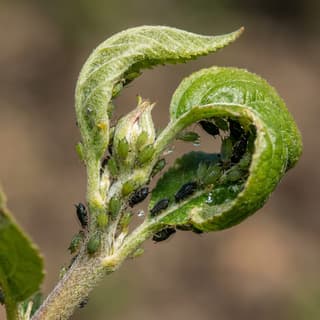
Leopard plant with Aphids? Rare but Treatable
Farfugium japonicum
Aphids on Leopard plant: What to Know?
Aphids on Leopard plant (Farfugium japonicum) is a pest condition with moderate severity. Leopard plant has low susceptibility to this disease. Aphids are small, soft-bodied, pear-shaped insects (1/16 to 1/8 inch long) that feed by sucking nutrient-rich sap from plants. They reproduce rapidly and can quickly weaken plants, causing distorted g...
Leopard plant is a medium-care plant. Recovery from Aphids takes approximately 14 days with proper treatment. As an indoor plant, ensure good ventilation to aid recovery.
Unlike most plants, Leopard plant has natural resistance to Aphids. Best treated with preventive measures rather than reactive treatment. Unlike fungal diseases, Aphids on Leopard plant responds quickly to integrated pest management. Without precautions, chemical treatments for Aphids can be harmful to pets. Use organic methods for Leopard plant in pet-friendly homes.
🔍 What Does Aphids Look Like on Leopard plant?
- • Small pear-shaped insects visible on leaves, stems, or flowers
- • Clusters of soft-bodied insects in various colors (green, black, red, yellow)
- • Curled, distorted, or yellowing leaves
- • Stunted or deformed new growth
- • Sticky honeydew residue on plant surfaces
- • Black sooty mold growing on honeydew deposits
- • Presence of ants farming aphids
- • Wilting or weakened plants despite adequate watering
❓ What Causes Aphids on Leopard plant?
- → Rapid reproduction - females give birth to live young without mating
- → Winged aphids migrate from infested plants to healthy ones
- → Stressed plants with soft, succulent growth are more attractive
- → Over-fertilization promotes tender growth that aphids prefer
- → Lack of natural predators (ladybugs, lacewings, parasitic wasps)
- → Poor air circulation and crowded plant conditions
- → Introduction of infested plants or contaminated soil
💊 How to Treat Aphids on Leopard plant?
TLDR: Treat Aphids on Leopard plant with quick treatment (~7 days) or organic (~14 days). Leopard plant has low susceptibility to this disease.
Quick Fixes
Step 1
Immediately spray affected plants with strong water jet to knock off aphids
Step 2
Apply ready-to-use insecticidal soap spray to all visible aphids
Step 3
Pinch off and destroy heavily infested shoot tips
Step 4
Repeat soap spray every 2-3 days until aphids are gone
Organic Treatment
Step 1
Spray plants with a strong stream of water to physically remove aphids
Step 2
Apply insecticidal soap spray (1 tablespoon liquid soap per quart of water)
Step 3
Introduce beneficial insects like ladybugs (eat up to 50 aphids/day) or green lacewings
Step 4
Apply neem oil spray as a natural repellent and control agent
Step 5
Remove heavily infested shoots and destroy them
Step 6
Monitor plants regularly and repeat treatments every 5-7 days
🛡️ How to Prevent Aphids on Leopard plant?
TLDR: Prevent Aphids on Leopard plant with 8 essential preventive care practices.
- ✓ Inspect plants regularly (at least twice weekly) to catch early infestations
- ✓ Maintain strong, healthy plants with proper light, water, and nutrients
- ✓ Avoid over-fertilizing which promotes soft growth aphids love
- ✓ Encourage natural predators like ladybugs, lacewings, and parasitic wasps
- ✓ Quarantine new plants for 1-2 weeks before introducing to garden
- ✓ Use reflective mulches to deter aphids from landing
- ✓ Remove weeds that can harbor aphid populations
- ✓ Ensure good air circulation between plants
🌱 How to Care for Leopard plant to Prevent Aphids?
💧 How to Water
Keep the soil consistently moist but not soggy—water as soon as the top few centimeters of the substrate dry out. In summer, the plant requires more frequent and abundant watering, while watering should be reduced in winter. Avoid standing water as the roots rot quickly in poorly drained soil.
☀️ Lighting
It thrives best in partial or full shade; direct summer sun, especially at noon, quickly burns its large leaves. Dappled light or eastern/northern exposure is ideal for indoor cultivation.
🪴 Ideal Soil
Use fertile, well-drained soil rich in organic matter (compost, humus), with a slightly acidic to neutral pH (6.0-7.0). Adding peat or compost helps retain moisture without waterlogging the roots.
Frequently asked questions
Can Aphids kill my Leopard plant?
How long does Leopard plant take to recover from Aphids?
Is Aphids contagious to other plants near Leopard plant?
Sources & References
- Aphid Control: How to Get Rid of Aphids on Plants | The Old Farmer's Almanac
- Aphids - Biocontrol, Damage and Life Cycle
- Aphids in home yards and gardens | UMN Extension
- Aphids / Home and Landscape / UC Statewide IPM Program
- How to Get Rid of Aphids Naturally With 4 Treatments That Work
- Farfugium japonicum (Leopard Plant) - NC State Extension Gardener Plant Toolbox
- Farfugium japonicum - Plants For A Future (PFAF)
- Farfugium japonicum - Wikipedia
- Farfugium Japonicum Care Tips - PlantCareToday
- Is the Leopard plant Safe for Pets? - PictureThis