Split-leaf Cyclanthus with Aphids: Prevention & Cure
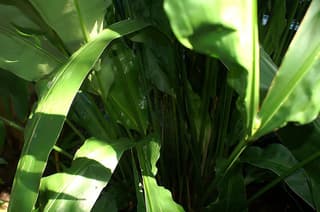
Cyclanthus bipartitus
Aphids on Split-leaf Cyclanthus: What to Know?
Aphids on Split-leaf Cyclanthus (Cyclanthus bipartitus) is a pest condition with moderate severity. Split-leaf Cyclanthus has moderate susceptibility to this disease. Aphids are small, soft-bodied, pear-shaped insects (1/16 to 1/8 inch long) that feed by sucking nutrient-rich sap from plants. They reproduce rapidly and can quickly weaken plants, causing distorted g...
Split-leaf Cyclanthus is a medium-care plant. Recovery from Aphids takes approximately 14 days with proper treatment. As an indoor plant, ensure good ventilation to aid recovery.
Unlike fungal diseases, Aphids on Split-leaf Cyclanthus responds quickly to integrated pest management.
🔍 What Does Aphids Look Like on Split-leaf Cyclanthus?
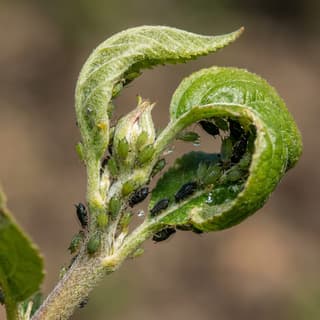
- • Small pear-shaped insects visible on leaves, stems, or flowers
- • Clusters of soft-bodied insects in various colors (green, black, red, yellow)
- • Curled, distorted, or yellowing leaves
- • Stunted or deformed new growth
- • Sticky honeydew residue on plant surfaces
- • Black sooty mold growing on honeydew deposits
- • Presence of ants farming aphids
- • Wilting or weakened plants despite adequate watering
❓ What Causes Aphids on Split-leaf Cyclanthus?
- → Rapid reproduction - females give birth to live young without mating
- → Winged aphids migrate from infested plants to healthy ones
- → Stressed plants with soft, succulent growth are more attractive
- → Over-fertilization promotes tender growth that aphids prefer
- → Lack of natural predators (ladybugs, lacewings, parasitic wasps)
- → Poor air circulation and crowded plant conditions
- → Introduction of infested plants or contaminated soil
💊 How to Treat Aphids on Split-leaf Cyclanthus?
TLDR: Treat Aphids on Split-leaf Cyclanthus with quick treatment (~7 days) or organic (~14 days). Split-leaf Cyclanthus has moderate susceptibility to this disease.
Quick Fixes
Step 1
Immediately spray affected plants with strong water jet to knock off aphids
Step 2
Apply ready-to-use insecticidal soap spray to all visible aphids
Step 3
Pinch off and destroy heavily infested shoot tips
Step 4
Repeat soap spray every 2-3 days until aphids are gone
Organic Treatment
Step 1
Spray plants with a strong stream of water to physically remove aphids
Step 2
Apply insecticidal soap spray (1 tablespoon liquid soap per quart of water)
Step 3
Introduce beneficial insects like ladybugs (eat up to 50 aphids/day) or green lacewings
Step 4
Apply neem oil spray as a natural repellent and control agent
Step 5
Remove heavily infested shoots and destroy them
Step 6
Monitor plants regularly and repeat treatments every 5-7 days
🛡️ How to Prevent Aphids on Split-leaf Cyclanthus?
TLDR: Prevent Aphids on Split-leaf Cyclanthus with 8 essential preventive care practices.
- ✓ Inspect plants regularly (at least twice weekly) to catch early infestations
- ✓ Maintain strong, healthy plants with proper light, water, and nutrients
- ✓ Avoid over-fertilizing which promotes soft growth aphids love
- ✓ Encourage natural predators like ladybugs, lacewings, and parasitic wasps
- ✓ Quarantine new plants for 1-2 weeks before introducing to garden
- ✓ Use reflective mulches to deter aphids from landing
- ✓ Remove weeds that can harbor aphid populations
- ✓ Ensure good air circulation between plants
🌱 How to Care for Split-leaf Cyclanthus to Prevent Aphids?
💧 How to Water
Water regularly as soon as the first few inches of the substrate feel dry to the touch, keeping it consistently slightly moist. Use chlorine-free water at room temperature to avoid stressing the roots.
☀️ Lighting
Prefers partial shade or shade with filtered light; direct sun quickly burns its sensitive leaves. Indoors, position it near a window with indirect light.
🪴 Ideal Soil
Use a substrate rich in organic matter with good moisture retention and adequate drainage—a mix of potting soil, peat moss (or coconut coir), and perlite works well, at a slightly acidic pH.
Frequently asked questions
Can Aphids kill my Split-leaf Cyclanthus?
How long does Split-leaf Cyclanthus take to recover from Aphids?
Is Aphids contagious to other plants near Split-leaf Cyclanthus?
Sources & References
- Aphid Control: How to Get Rid of Aphids on Plants | The Old Farmer's Almanac
- Aphids - Biocontrol, Damage and Life Cycle
- Aphids in home yards and gardens | UMN Extension
- Aphids / Home and Landscape / UC Statewide IPM Program
- How to Get Rid of Aphids Naturally With 4 Treatments That Work
- Split-Leaf Cyclanthus Care Guide - Happy Houseplants
- Cyclanthus bipartitus - Top Tropicals Plant Encyclopedia
- Cyclanthus bipartitus - Useful Tropical Plants
- Cyclanthus bipartitus - Wikipedia
- Split-leaf Cyclanthus - Botanical Realm