Black-eyed pea Prone to Bacterial Blight: How to Protect
Vigna unguiculata
Bacterial Blight on Black-eyed pea: What to Know?
Bacterial Blight on Black-eyed pea (Vigna unguiculata) is a bacterial condition with high severity. Black-eyed pea has high susceptibility to this disease. Bacterial blight is a serious plant disease caused by pathogenic bacteria that enters plants through wounds or natural openings. It spreads rapidly in warm, wet conditions and can cause significant da...
Black-eyed pea is a easy-care plant. Recovery from Bacterial Blight takes approximately 21 days with proper treatment.
Black-eyed pea is highly susceptible to Bacterial Blight, unlike most plants in the same family. Without early intervention, recovery takes 32 days instead of 21 days.
🔍 What Does Bacterial Blight Look Like on Black-eyed pea?
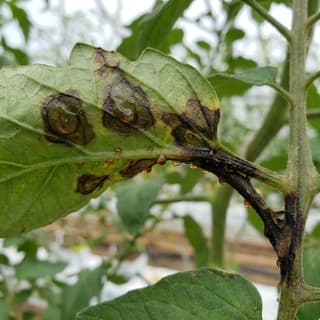
- • Small water-soaked spots on upper leaf surfaces
- • Spots enlarge and turn brown to black
- • Yellow halos surrounding lesions
- • Wilted, blighted appearance of affected parts
- • Bacterial ooze may appear on lesions in humid conditions
- • Premature leaf drop
- • Stem cankers in severe cases
❓ What Causes Bacterial Blight on Black-eyed pea?
- → Bacterial pathogens entering through wounds or stomata
- → Spread by rain splash and overhead watering
- → Contaminated pruning tools
- → Warm temperatures (75-85°F) with high humidity
- → Poor air circulation around plants
- → Insect damage creating entry points
💊 How to Treat Bacterial Blight on Black-eyed pea?
TLDR: Treat Bacterial Blight on Black-eyed pea with quick treatment (~11 days) or organic (~21 days). Black-eyed pea has high susceptibility to this disease.
Quick Fixes
Step 1
Remove and destroy all visibly infected plant parts immediately
Step 2
Apply copper hydroxide spray to entire plant, focusing on affected areas
Step 3
Ensure complete coverage of all leaf surfaces and stems
Step 4
Reduce watering frequency and switch to ground-level irrigation
Step 5
Reapply copper spray after 7 days
Step 6
Keep foliage dry by avoiding overhead watering
Step 7
Disinfect tools and improve air circulation around plant
Organic Treatment
Step 1
Prune and remove all infected plant parts, cutting 6 inches below visible symptoms
Step 2
Disinfect all pruning tools with 70% rubbing alcohol between cuts
Step 3
Apply organic copper fungicide (copper sulfate or copper hydroxide) to all plant surfaces
Step 4
Ensure thorough coverage of both upper and lower leaf surfaces
Step 5
Repeat copper spray application every 7 days for 3 weeks
Step 6
Switch to drip irrigation or water at soil level only
Step 7
Apply Bacillus subtilis biological spray as a follow-up treatment
Step 8
Monitor plant daily and remove any new infected growth immediately
🛡️ How to Prevent Bacterial Blight on Black-eyed pea?
TLDR: Prevent Bacterial Blight on Black-eyed pea with 8 essential preventive care practices.
- ✓ Use drip irrigation instead of overhead watering
- ✓ Water early in the day so foliage dries quickly
- ✓ Ensure adequate spacing for air circulation
- ✓ Disinfect pruning tools with 70% alcohol or 10% bleach solution
- ✓ Remove and destroy infected plant material
- ✓ Avoid working with plants when foliage is wet
- ✓ Practice crop rotation in gardens
- ✓ Choose resistant plant varieties when available
🌱 How to Care for Black-eyed pea to Prevent Bacterial Blight?
💧 How to Water
Water every 7 days, letting the soil dry out completely between waterings. Black-eyed peas are highly drought-tolerant — overwatering causes root rot. Reduce frequency after establishment.
☀️ Lighting
Requires full sun — at least 6-8 hours of direct sunlight per day. This is a tropical plant that does not adapt well to shade; insufficient light leads to fewer pods and increased susceptibility to fungal diseases.
🪴 Ideal Soil
Prefers well-draining sandy loam with pH 5.5–6.5. Avoid waterlogged or heavy clay soils. Tolerates nitrogen-poor soils thanks to biological nitrogen fixation by rhizobium bacteria in root nodules.
Frequently asked questions
Can Bacterial Blight kill my Black-eyed pea?
How long does Black-eyed pea take to recover from Bacterial Blight?
Is Bacterial Blight contagious to other plants near Black-eyed pea?
Sources & References
- Copper-based Bactericides and Fungicides | Pacific Northwest Pest Management Handbooks
- When and How to Use Copper Fungicide in the Garden
- Managing Bacterial Leaf Spot | Integrated Pest Management
- Bacterial Blight – Wisconsin Horticulture
- PlantVillage - Cowpea
- PictureThis - Cowpea Care
- Epic Gardening - Cowpeas