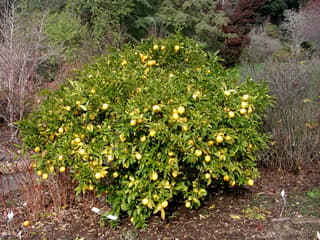
Lemon Prone to Bacterial Canker: How to Protect
Citrus limon
Bacterial Canker on Lemon: What to Know?
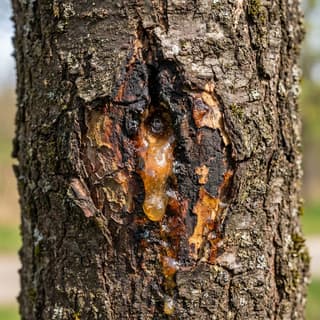
Bacterial Canker on Lemon (Citrus limon) is a bacterial condition with high severity. Lemon has high susceptibility to this disease. Serious bacterial disease affecting stone fruits and tomatoes caused by Pseudomonas syringae or Clavibacter michiganensis. Creates sunken lesions that ooze sap.
Lemon is a medium-care plant. Recovery from Bacterial Canker takes approximately 28 days with proper treatment. As an indoor plant, ensure good ventilation to aid recovery.
Lemon is highly susceptible to Bacterial Canker, unlike most plants in the same family. Without early intervention, recovery takes 42 days instead of 28 days.
🔍 What Does Bacterial Canker Look Like on Lemon?
- • Sunken water-soaked lesions
- • Dark cankers with raised edges
- • Amber sap oozing
- • Branch dieback
- • Brown vascular streaks
❓ What Causes Bacterial Canker on Lemon?
- → Pseudomonas syringae bacteria
- → Contaminated tools
- → Rain splash
- → Cool wet weather
💊 How to Treat Bacterial Canker on Lemon?
TLDR: Treat Bacterial Canker on Lemon with quick treatment (~21 days) or organic (~28 days). Lemon has high susceptibility to this disease.
Quick Fixes
Emergency pruning
Remove all infected branches immediately
Copper application
Heavy copper spray coverage
Organic Treatment
Prune infected areas
Cut 15cm below visible infection
Apply copper spray
Spray entire plant with copper hydroxide
Remove debris
Clean all fallen material
🛡️ How to Prevent Bacterial Canker on Lemon?
TLDR: Prevent Bacterial Canker on Lemon with 4 essential preventive care practices.
- ✓ Sterilize pruning tools
- ✓ Prune in dry weather
- ✓ Remove infected debris
- ✓ Improve air circulation
🌱 How to Care for Lemon to Prevent Bacterial Canker?
💧 How to Water
Water thoroughly every 3-5 days in summer and reduce to once a week in winter. Avoid waterlogging. Prefer chlorine-free water or let tap water sit for 24 hours before watering.
☀️ Lighting
Requires at least 6 to 8 hours of direct sunlight per day. Indoors, place near a south-facing window or use full-spectrum artificial lighting.
🪴 Ideal Soil
Use a well-drained substrate specific for citrus or prepare a mix of peat moss, potting soil, humus, and sand (2:1:1:1). Ensure the pot has adequate drainage holes. Ideal pH between 6.0 and 7.5.