Bacterial Canker: Bacterial Infection | How to Treat
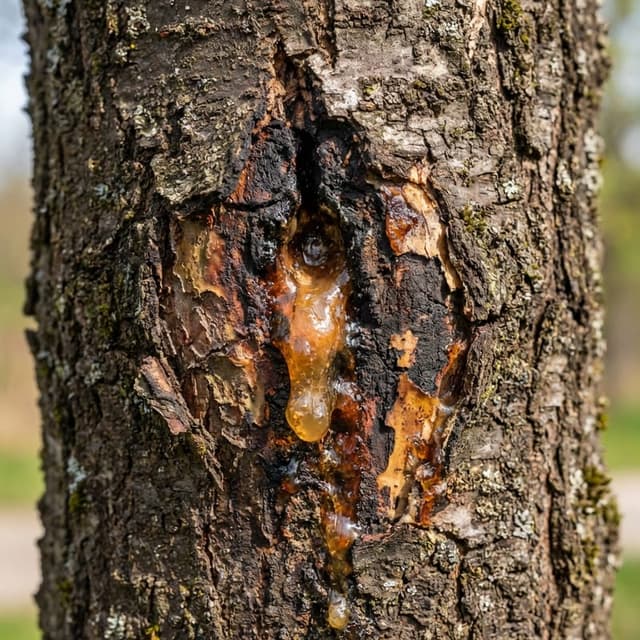
Serious bacterial disease affecting stone fruits and tomatoes caused by Pseudomonas syringae or Clavibacter michiganensis. Creates sunken lesions that ooze sap.
Medium
28 days
What is Bacterial Canker?
Bacterial Canker is a bacterial condition with high severity that affects plants. Serious bacterial disease affecting stone fruits and tomatoes caused by Pseudomonas syringae or Clavibacter michiganensis. Creates sunken lesions that ooze sap.
Bacterial Canker is a bacterial disease with high severity that spreads at a moderate rate. Recovery typically takes approximately 28 days with proper treatment. It affects 10 plant species in our database. This condition is contagious and can spread between plants.
Bacterial Canker has no effective chemical cure, unlike pests. Without removing affected parts, the infection spreads internally through the plant. Not recommended to ignore early signs. Without early intervention, recovery can take twice as long. Without isolation, nearby plants can become infected within days.
🔍 What Are the Symptoms of Bacterial Canker?
TLDR: Bacterial Canker presents 5 main symptoms. Early identification is crucial for effective treatment.
Main Symptoms
- ! Sunken water-soaked lesions
- ! Dark cankers with raised edges
- ! Amber sap oozing
- ! Branch dieback
- ! Brown vascular streaks
Visual Signs
❓ What Causes Bacterial Canker in Plants?
- → Pseudomonas syringae bacteria
- → Contaminated tools
- → Rain splash
- → Cool wet weather
💊 How to Treat Bacterial Canker?
TLDR: Treat Bacterial Canker with 21 days of quick treatment or 28 days of organic treatment. Full recovery takes approximately 28 days.
Quick Fixes
~21 days
Emergency pruning
Remove all infected branches immediately
Copper application
Heavy copper spray coverage
Materials needed:
Organic Treatment
~28 days
Prune infected areas
Cut 15cm below visible infection
Apply copper spray
Spray entire plant with copper hydroxide
Remove debris
Clean all fallen material
Materials needed:
Expert Treatment
~42 days
Diagnosis confirmation
Verify bacterial canker vs fungal
Surgical removal
Cut 20cm below infection
Wound treatment
Cauterize or apply copper paste
Systemic treatment
Apply bactericide if available
Step by Step
- 1
Remove infected tissue
- 2
Apply copper spray
- 3
Sterilize tools
- 4
Monitor weekly
🧪 Natural vs Chemical: Which Treatment Works for Bacterial Canker?
🌱 Natural Solutions
- ✓ Copper spray applications
- ✓ Remove infected branches
- ✓ Cinnamon paste on wounds
💉 Chemical Solutions
- ✓ Copper hydroxide spray
- ✓ Streptomycin (where legal)
Treatment Comparison
| Type | Estimated time | Steps | Difficulty | Best For |
|---|---|---|---|---|
| ⚡Quick | ~21 days | 2 | Advanced | Urgent cases |
| 🌿Organic | ~28 days | 3 | Advanced | Indoor plants |
| 🔬Expert | ~42 days | 4 | Advanced | Severe infections |
🛡️ How to Prevent Bacterial Canker?
TLDR: Prevent Bacterial Canker with 4 essential care practices. Regular monitoring is key for early detection.
- ✓ Sterilize pruning tools
- ✓ Prune in dry weather
- ✓ Remove infected debris
- ✓ Improve air circulation
🔗Related Diseases
Bacterial Leaf Spot
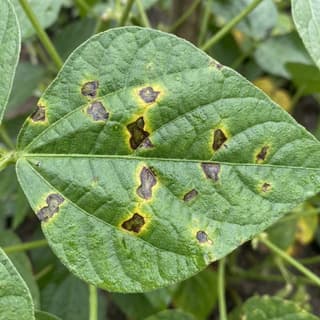
MediumBacterial leaf spot is a plant disease caused by bacteria in the Xanthomonas and Pseudomonas genera that affects various ornamental and edible plants. The bacteria infect leaves through wounds or natural openings, causing characteristic lesions that can lead to premature leaf drop and plant weakening.
Bacterial Soft Rot
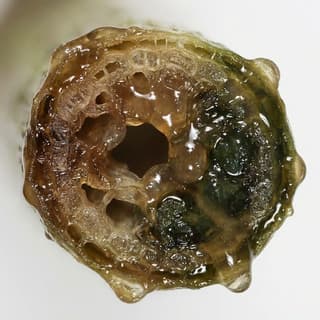
HighBacterial soft rot is a destructive plant disease caused primarily by bacteria from the genera Pectobacterium (formerly Erwinia) and Dickeya. These bacteria produce enzymes that break down plant cell walls, causing rapid and foul-smelling tissue decomposition. It mainly affects succulent tissues such as tubers, fruits, stems, and bulbs, being especially problematic in warm and humid conditions.
Fire Blight
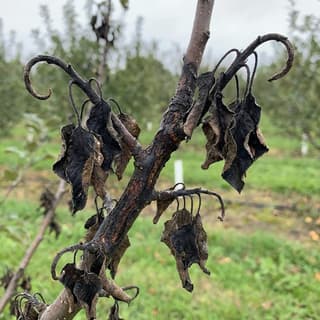
CRITICALFire blight is a highly destructive and contagious bacterial disease caused by Erwinia amylovora. It primarily affects plants in the Rosaceae family, including apple, pear, quince trees, and various ornamental plants. The disease can destroy an entire orchard in a single growing season under ideal conditions, with the bacterium moving approximately 11 inches per week in new growth.
Crown Gall
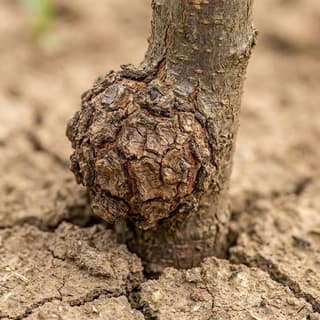
HighCrown gall is a bacterial disease caused by Agrobacterium tumefaciens that affects over 140 species of plants. The bacteria insert DNA into plant cells, causing them to divide uncontrollably and form large tumor-like growths (galls) primarily on roots, stems, and at the soil line. These galls restrict water and nutrient flow, severely impacting plant health and potentially killing the plant.