
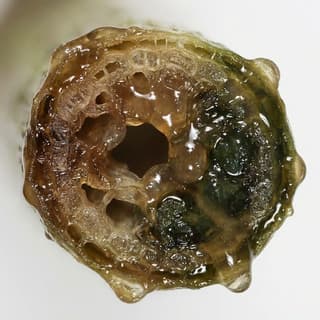
Den-Phal Orchid with Bacterial Soft Rot? Rare but Treatable
Dendrobium phalaenopsis
Bacterial Soft Rot on Den-Phal Orchid: What to Know?
Bacterial Soft Rot on Den-Phal Orchid (Dendrobium phalaenopsis) is a bacterial condition with high severity. Den-Phal Orchid has low susceptibility to this disease. Bacterial soft rot is a destructive plant disease caused primarily by bacteria from the genera Pectobacterium (formerly Erwinia) and Dickeya. These bacteria produce enzymes that break down plant cell...
Den-Phal Orchid is a medium-care plant. Recovery from Bacterial Soft Rot takes approximately 28 days with proper treatment. As an indoor plant, ensure good ventilation to aid recovery.
Unlike most plants, Den-Phal Orchid has natural resistance to Bacterial Soft Rot. Best treated with preventive measures rather than reactive treatment.
🔍 What Does Bacterial Soft Rot Look Like on Den-Phal Orchid?
- • Water-soaked spots that progressively enlarge
- • Affected tissues become soft, wet, and slimy
- • Flesh discoloration in cream to dark brown tones
- • Dark brown to black ring around affected tissue
- • Characteristic foul odor in advanced stages
- • Rapid wilting of plant parts
- • Sunken lesions that expand rapidly
- • Visible ooze or seepage from infected areas
- • Pith disintegration in stems
- • Darkened and decomposed internal tissue
❓ What Causes Bacterial Soft Rot on Den-Phal Orchid?
- → Infection by Pectobacterium carotovorum or Dickeya dadantii bacteria
- → Entry through wounds caused by tools, insects, or hail
- → High temperatures (70-80°F) favoring bacterial growth
- → Excess soil moisture and high air humidity
- → Poor drainage and waterlogging
- → Calcium deficiency in soil weakening cell walls
- → Injuries during harvest or handling
- → Spread by insects, contaminated water, and dirty tools
- → Infected plant material used as propagation source
- → Lack of adequate air circulation
💊 How to Treat Bacterial Soft Rot on Den-Phal Orchid?
TLDR: Treat Bacterial Soft Rot on Den-Phal Orchid with quick treatment (~14 days) or organic (~28 days). Den-Phal Orchid has low susceptibility to this disease.
Quick Fixes
Immediate Action - Isolation
NOW: Remove plant away from other plants immediately. Every minute counts.
Tool Sterilization
Dip shears in 70% alcohol for 30 seconds. Dry with clean paper towel.
Plant Surgery
Cut ALL soft, water-soaked, or odorous parts. Go beyond - cut 4 inches into healthy tissue. Resterilize after each cut.
Immediate Disposal
Place cut material directly into plastic bag. Seal well. Discard in outside trash immediately.
Bactericide Application
Spray copper-based product on all remaining plant parts. If unavailable, use baking soda solution (1 tbsp per liter).
Watering Suspension
DO NOT water for 3-5 days. Let soil dry completely.
Maximum Ventilation
Place plant in location with maximum air circulation. Use fan if necessary.
48h Vigilance
Over next 48 hours, check plant 3x daily. Look for new signs of rot or odor.
Critical Decision
If after 48h new disease signs appear, plant is lost. Discard completely to protect others.
Reinfection Prevention
If plant survives 1 week without new symptoms, continue with reduced watering and good ventilation for 1 month.
Organic Treatment
Immediate Isolation
Isolate affected plant from all other plants to prevent spread. Move to separate area with good ventilation.
Infected Tissue Removal
With sterilized tool, remove all visibly affected parts. Cut 2-4 inches beyond diseased tissue. Disinfect tool with alcohol after each cut.
Safe Disposal
Place all infected material in sealed plastic bag and discard in regular trash. NEVER compost infected tissue.
Garlic Extract Application
Prepare extract by crushing 5 garlic cloves in 1 liter of water. Let stand 24h, strain, and spray healthy parts 2x per week.
Baking Soda Treatment
Dissolve 1 tablespoon baking soda in 1 liter water. Spray healthy areas 1x per week as preventive.
Neem Oil Application
Dilute neem oil as per instructions (usually 5ml/liter). Spray as preventive every 10 days.
Humidity Reduction
Drastically reduce watering frequency. Soil should dry between waterings. Avoid wetting foliage.
Ventilation Improvement
Increase spacing between plants. Use fan if indoors. Ensure constant air circulation.
Daily Monitoring
Inspect plant daily for 14 days. Watch for new signs of rot, odor, or water-soaked spots.
Final Evaluation
If disease returns despite treatment, entire plant must be discarded to protect other plants.
🛡️ How to Prevent Bacterial Soft Rot on Den-Phal Orchid?
TLDR: Prevent Bacterial Soft Rot on Den-Phal Orchid with 12 essential preventive care practices.
- ✓ Maintain well-drained soil with proper plant spacing
- ✓ Avoid overwatering and overhead irrigation
- ✓ Disinfect tools with 70% alcohol or 10% bleach solution
- ✓ Minimize injuries during cultivation and harvest
- ✓ Add calcium to soil (bone meal, lime)
- ✓ Ensure good air circulation between plants
- ✓ Harvest only in dry conditions
- ✓ Implement crop rotation (3 years)
- ✓ Remove plant debris and diseased plants immediately
- ✓ Store products in cool, dry, and well-ventilated locations
- ✓ Avoid excessive plant crowding
- ✓ Plant resistant varieties when available
🌱 How to Care for Den-Phal Orchid to Prevent Bacterial Soft Rot?
💧 How to Water
Water every 4-6 days, soaking the mix thoroughly until water drains from the bottom, then let it dry almost completely before watering again. Never let the plant sit in standing water, as roots rot quickly.
☀️ Lighting
Prefers bright, indirect light near a sheer-curtained window or under 50% shade cloth. Harsh midday sun scorches the leaves, but gentle morning sun is well tolerated.
🪴 Ideal Soil
Use a specialized orchid bark mix for good drainage and root aeration. Refresh the growing medium every 1-2 years as it breaks down.
Frequently asked questions
Can Bacterial Soft Rot kill my Den-Phal Orchid?
How long does Den-Phal Orchid take to recover from Bacterial Soft Rot?
Is Bacterial Soft Rot contagious to other plants near Den-Phal Orchid?
Sources & References
- Bacterial Soft Rot – Wisconsin Horticulture
- Bacterial soft rot, bacterial stem rot - Prevention, Control and Damage
- Bacterial Soft Rot: Soft Rot Treatment And Control Options
- Bacterial soft rot - Wikipedia
- Cooktown orchid (Dendrobium bigibbum) Care Guide - ForwardPlant
- Dendrobium Phalaenopsis Complete Care Guide - Bombotany
- How to Solve Common Problems With Dendrobium Orchids - Houseplant Alley
- Orchid Pests, Diseases, and Cultural Issues - American Orchid Society
- Dendrobium (Orchid) - NC State Extension Gardener Plant Toolbox