Bacterial Soft Rot: Bacterial Infection | How to Treat
Bacterial soft rot is a destructive plant disease caused primarily by bacteria from the genera Pectobacterium (formerly Erwinia) and Dickeya. These bacteria produce enzymes that break down plant cell walls, causing rapid and foul-smelling tissue decomposition. It mainly affects succulent tissues such as tubers, fruits, stems, and bulbs, being especially problematic in warm and humid conditions.
Fast
28 days
What is Bacterial Soft Rot?
Bacterial Soft Rot is a bacterial condition with high severity that affects plants. Bacterial soft rot is a destructive plant disease caused primarily by bacteria from the genera Pectobacterium (formerly Erwinia) and Dickeya. These bacteria produce enzymes that break down plant cell walls, causing rapid and foul-smelling tissue decomposition. It mainly affects succulent tissues suc...
Bacterial Soft Rot is a bacterial disease with high severity that spreads at a fast rate. Recovery typically takes approximately 28 days with proper treatment. It affects 10 plant species in our database. This condition is contagious and can spread between plants.
Bacterial Soft Rot has no effective chemical cure, unlike pests. Without removing affected parts, the infection spreads internally through the plant. Not recommended to ignore early signs. Without early intervention, recovery can take twice as long. Without isolation, nearby plants can become infected within days.
🔍 What Are the Symptoms of Bacterial Soft Rot?
TLDR: Bacterial Soft Rot presents 10 main symptoms. Early identification is crucial for effective treatment.
Main Symptoms
- ! Water-soaked spots that progressively enlarge
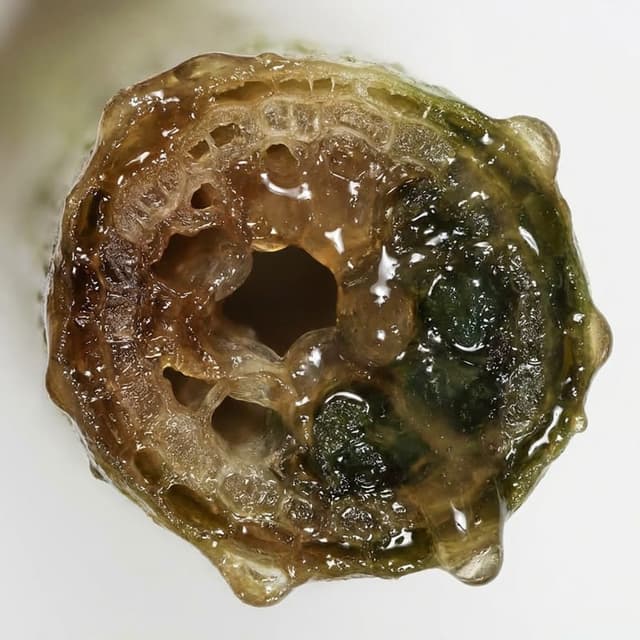
- ! Affected tissues become soft, wet, and slimy
- ! Flesh discoloration in cream to dark brown tones
- ! Dark brown to black ring around affected tissue
- ! Characteristic foul odor in advanced stages
- ! Rapid wilting of plant parts
- ! Sunken lesions that expand rapidly
- ! Visible ooze or seepage from infected areas
- ! Pith disintegration in stems
- ! Darkened and decomposed internal tissue
Visual Signs
❓ What Causes Bacterial Soft Rot in Plants?
- → Infection by Pectobacterium carotovorum or Dickeya dadantii bacteria
- → Entry through wounds caused by tools, insects, or hail
- → High temperatures (70-80°F) favoring bacterial growth
- → Excess soil moisture and high air humidity
- → Poor drainage and waterlogging
- → Calcium deficiency in soil weakening cell walls
- → Injuries during harvest or handling
- → Spread by insects, contaminated water, and dirty tools
- → Infected plant material used as propagation source
- → Lack of adequate air circulation
💊 How to Treat Bacterial Soft Rot?
TLDR: Treat Bacterial Soft Rot with 14 days of quick treatment or 28 days of organic treatment. Full recovery takes approximately 28 days.
Quick Fixes
~14 days
Immediate Action - Isolation
NOW: Remove plant away from other plants immediately. Every minute counts.
Tool Sterilization
Dip shears in 70% alcohol for 30 seconds. Dry with clean paper towel.
Plant Surgery
Cut ALL soft, water-soaked, or odorous parts. Go beyond - cut 4 inches into healthy tissue. Resterilize after each cut.
Immediate Disposal
Place cut material directly into plastic bag. Seal well. Discard in outside trash immediately.
Bactericide Application
Spray copper-based product on all remaining plant parts. If unavailable, use baking soda solution (1 tbsp per liter).
Watering Suspension
DO NOT water for 3-5 days. Let soil dry completely.
Maximum Ventilation
Place plant in location with maximum air circulation. Use fan if necessary.
48h Vigilance
Over next 48 hours, check plant 3x daily. Look for new signs of rot or odor.
Critical Decision
If after 48h new disease signs appear, plant is lost. Discard completely to protect others.
Reinfection Prevention
If plant survives 1 week without new symptoms, continue with reduced watering and good ventilation for 1 month.
Materials needed:
Organic Treatment
~28 days
Immediate Isolation
Isolate affected plant from all other plants to prevent spread. Move to separate area with good ventilation.
Infected Tissue Removal
With sterilized tool, remove all visibly affected parts. Cut 2-4 inches beyond diseased tissue. Disinfect tool with alcohol after each cut.
Safe Disposal
Place all infected material in sealed plastic bag and discard in regular trash. NEVER compost infected tissue.
Garlic Extract Application
Prepare extract by crushing 5 garlic cloves in 1 liter of water. Let stand 24h, strain, and spray healthy parts 2x per week.
Baking Soda Treatment
Dissolve 1 tablespoon baking soda in 1 liter water. Spray healthy areas 1x per week as preventive.
Neem Oil Application
Dilute neem oil as per instructions (usually 5ml/liter). Spray as preventive every 10 days.
Humidity Reduction
Drastically reduce watering frequency. Soil should dry between waterings. Avoid wetting foliage.
Ventilation Improvement
Increase spacing between plants. Use fan if indoors. Ensure constant air circulation.
Daily Monitoring
Inspect plant daily for 14 days. Watch for new signs of rot, odor, or water-soaked spots.
Final Evaluation
If disease returns despite treatment, entire plant must be discarded to protect other plants.
Materials needed:
Expert Treatment
~42 days
Strict Quarantine
Establish isolated quarantine area. Affected plant must be minimum 10 feet from other plants. Prepare disinfection station.
Diagnostic Assessment
Inspect entire plant thoroughly. Mark suspicious areas. Smell roots and stem - foul odor indicates advanced infection. Assess treatment viability.
Equipment Sterilization
Prepare two solutions: 70% alcohol and 1:10 bleach. Soak instruments in bleach 5 min, then alcohol. Use UV-C lamp if available.
Surgical Excision
With sterilized scalpel, remove ALL suspicious tissue plus 4-6 inch safety margin. Cut must expose only firm, healthy tissue. Resterilize between cuts.
Cut Treatment
Apply activated charcoal to cut surfaces to absorb moisture and inhibit bacteria. Let air dry 1-2 hours.
Systemic Bactericide Application
If available, apply streptomycin or approved antibiotic per technical dosage. Spray foliage and drench soil.
Copper Treatment
Apply copper oxychloride or copper sulfate on all aerial parts. Cover completely. Reapply after 5 days.
Soil Correction
Test soil pH (ideal 6.0-7.0). Add calcium amendment to strengthen cell walls. Improve drainage if necessary.
Intensive Environmental Management
Reduce relative humidity below 60%. Ideal temperature 60-65°F. Continuous ventilation. Suspend watering completely for 5-7 days.
Monitoring Protocol
Inspect 2x daily for 2 weeks. Document with photos. Check temperature, soil moisture, and visual signs. Record any changes.
Retreatment (if necessary)
If new symptoms appear in 72h: repeat excision + bactericide. If appear again, discard entire plant.
Reintegration or Disposal
After 21 days without symptoms: plant can return to cultivation. Continue monthly monitoring for 3 months. If symptoms persist: complete disposal.
Step by Step
- 1
1. Immediately isolate affected plant from healthy plants
- 2
2. Remove all visibly infected parts with sterilized tool
- 3
3. Cut at least 2-4 inches beyond affected tissue to ensure complete removal
- 4
4. Discard infected material in trash (never compost)
- 5
5. Disinfect tools after each cut with 70% alcohol
- 6
6. Apply treatment to remaining healthy parts
- 7
7. Drastically reduce watering
- 8
8. Improve ventilation around plant
- 9
9. Monitor daily for 2 weeks to detect reinfection
- 10
10. If infection returns, discard entire plant
🧪 Natural vs Chemical: Which Treatment Works for Bacterial Soft Rot?
🌱 Natural Solutions
- ✓ Immediately remove all infected parts (do not compost)
- ✓ Spray healthy parts with garlic extract (antibacterial properties)
- ✓ Apply baking soda solution (1 tablespoon per liter of water)
- ✓ Use neem oil as preventive
- ✓ Apply aerated compost tea to increase beneficial microorganisms
- ✓ Spray healthy parts with cinnamon solution (antimicrobial properties)
- ✓ Improve drainage with organic matter addition
- ✓ Reduce humidity and increase air circulation
- ✓ Apply natural calcium amendment (crushed eggshells)
- ✓ Isolate affected plants from healthy ones
💉 Chemical Solutions
- ✓ Apply copper-based bactericide (follow manufacturer instructions)
- ✓ Spray with copper oxychloride or copper sulfate
- ✓ Use bactericides with streptomycin (where permitted)
- ✓ Apply systemic fungicides with bacterial action
- ✓ Preventive treatment with copper-based products before rainy periods
- ✓ Disinfect soil with specific products (severe cases)
- ✓ Apply protective bactericides after pruning or injuries
Treatment Comparison
| Type | Estimated time | Steps | Difficulty | Best For |
|---|---|---|---|---|
| ⚡Quick | ~14 days | 10 | Advanced | Urgent cases |
| 🌿Organic | ~28 days | 10 | Advanced | Indoor plants |
| 🔬Expert | ~42 days | 12 | Advanced | Severe infections |
🛡️ How to Prevent Bacterial Soft Rot?
TLDR: Prevent Bacterial Soft Rot with 12 essential care practices. Regular monitoring is key for early detection.
- ✓ Maintain well-drained soil with proper plant spacing
- ✓ Avoid overwatering and overhead irrigation
- ✓ Disinfect tools with 70% alcohol or 10% bleach solution
- ✓ Minimize injuries during cultivation and harvest
- ✓ Add calcium to soil (bone meal, lime)
- ✓ Ensure good air circulation between plants
- ✓ Harvest only in dry conditions
- ✓ Implement crop rotation (3 years)
- ✓ Remove plant debris and diseased plants immediately
- ✓ Store products in cool, dry, and well-ventilated locations
- ✓ Avoid excessive plant crowding
- ✓ Plant resistant varieties when available
🔗Related Diseases
Bacterial Leaf Spot
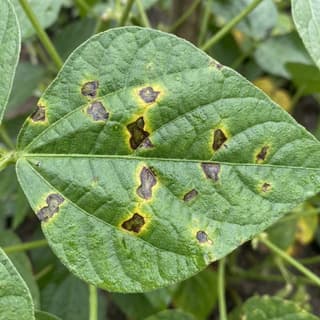
MediumBacterial leaf spot is a plant disease caused by bacteria in the Xanthomonas and Pseudomonas genera that affects various ornamental and edible plants. The bacteria infect leaves through wounds or natural openings, causing characteristic lesions that can lead to premature leaf drop and plant weakening.
Fire Blight
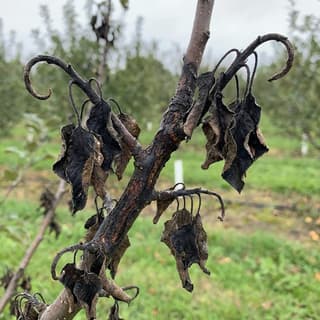
CRITICALFire blight is a highly destructive and contagious bacterial disease caused by Erwinia amylovora. It primarily affects plants in the Rosaceae family, including apple, pear, quince trees, and various ornamental plants. The disease can destroy an entire orchard in a single growing season under ideal conditions, with the bacterium moving approximately 11 inches per week in new growth.
Crown Gall
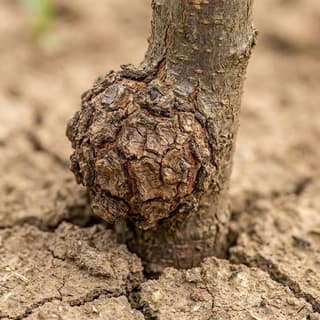
HighCrown gall is a bacterial disease caused by Agrobacterium tumefaciens that affects over 140 species of plants. The bacteria insert DNA into plant cells, causing them to divide uncontrollably and form large tumor-like growths (galls) primarily on roots, stems, and at the soil line. These galls restrict water and nutrient flow, severely impacting plant health and potentially killing the plant.
Bacterial Wilt
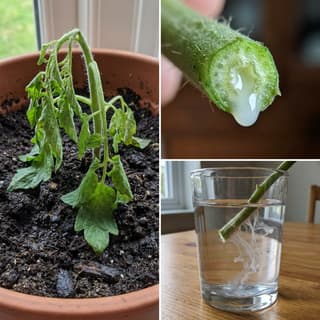
CRITICALBacterial wilt is a fatal vascular disease caused by bacteria (Erwinia tracheiphila, Ralstonia solanacearum, Xanthomonas spp.) that infects the water-conducting tissue of plants. The bacteria multiply and block the flow of water and nutrients, causing rapid wilting and plant death within 1-2 weeks.