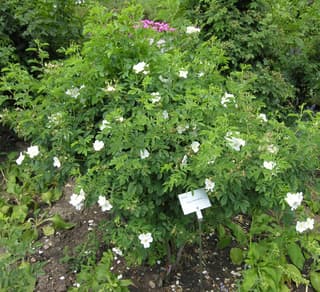
Harsh downy-rose with Black Spot: Prevention & Cure
Rosa tomentosa
Black Spot on Harsh downy-rose: What to Know?
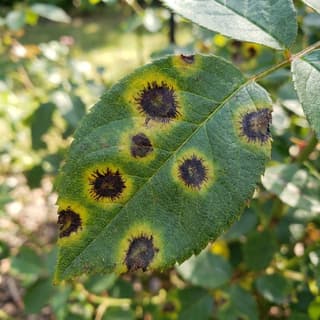
Black Spot on Harsh downy-rose (Rosa tomentosa) is a fungal condition with high severity. Harsh downy-rose has moderate susceptibility to this disease. Black spot is the most serious fungal disease affecting roses, caused by the fungus Diplocarpon rosae. It is characterized by dark circular spots on leaves that progress to yellowing and premature lea...
Harsh downy-rose is a easy-care plant. Recovery from Black Spot takes approximately 21 days with proper treatment.
Unlike bacterial infections, Black Spot on Harsh downy-rose can be managed with organic fungicides.
🔍 What Does Black Spot Look Like on Harsh downy-rose?
- • Purplish or black circular spots (up to 1/2 inch diameter) on upper leaf surface
- • Irregular feathery borders on spots
- • Yellow halo developing around spots
- • Progressive yellowing of leaves starting from plant base
- • Premature leaf drop
- • Small black scabby lesions on young stems
- • Nearly complete defoliation in severe cases
- • Leaves show no symptoms on undersides
❓ What Causes Black Spot on Harsh downy-rose?
- → Infection by fungus Diplocarpon rosae
- → Leaves remaining wet for more than 7 consecutive hours
- → Humid and cool conditions in early spring
- → Poor air circulation around plants
- → Inadequate plant spacing
- → Evening or late irrigation keeping leaves wet
- → Spores overwintering on fallen leaves and infected canes
- → Spore dispersal through rain or overhead irrigation
💊 How to Treat Black Spot on Harsh downy-rose?
TLDR: Treat Black Spot on Harsh downy-rose with quick treatment (~14 days) or organic (~21 days). Harsh downy-rose has moderate susceptibility to this disease.
Quick Fixes
Remove all visibly infected leaves
Immediately
Apply systemic fungicide (penconazole or flutriafol)
Same day
Remove fallen leaves and debris from area
Daily for 3 days
Reapply fungicide
7 days after first application
Adjust irrigation to morning only
Immediately
Third fungicide application
14 days after first application
Organic Treatment
Remove and destroy all infected and fallen leaves
Immediately upon detection
Prune stems with lesions to healthy tissue
During dormancy or immediately
Apply diluted neem oil (follow manufacturer instructions)
Every 7-14 days, starting in early spring
Spray potassium bicarbonate solution on leaves
Every 7-14 days, alternating with neem
Apply sulfur powder on dry days
When temperature is below 80°F
Adjust irrigation to morning hours only
Daily
Apply mulch around plants
Early spring
🛡️ How to Prevent Black Spot on Harsh downy-rose?
TLDR: Prevent Black Spot on Harsh downy-rose with 10 essential preventive care practices.
- ✓ Remove and destroy all fallen leaves in autumn or bury under mulch layers
- ✓ Remove remaining leaves from plants during winter when possible
- ✓ Prune out stem lesions before spring leaf emergence
- ✓ Water in the morning so leaves dry quickly
- ✓ Use drip irrigation instead of overhead sprinklers to keep foliage dry
- ✓ Improve air circulation through proper spacing and regular pruning
- ✓ Plant roses in locations with at least 6-8 hours of full sun
- ✓ Avoid plant overcrowding
- ✓ Disinfect pruning shears after each use
- ✓ Choose disease-resistant cultivars
🌱 How to Care for Harsh downy-rose to Prevent Black Spot?
💧 How to Water
Water about once a week in warm weather, above all during its first year. It likes moist soil but not soggy soil.
☀️ Lighting
Full sun suits it best. It also grows in light shade at the edge of trees, usually with fewer flowers.
🪴 Ideal Soil
It grows in most soils, heavy clay included. What it won't put up with is water sitting around its roots.
Frequently asked questions
Can Black Spot kill my Harsh downy-rose?
How long does Harsh downy-rose take to recover from Black Spot?
Is Black Spot contagious to other plants near Harsh downy-rose?
Sources & References
- Rose black spot: Symptoms & Control | RHS
- How to Treat Black Spot on Roses | Garden Design
- Managing Pests in Gardens: Black spot—UC IPM
- Wikipedia - Rosa tomentosa
- RHS - Rosa tomentosa
- PFAF - Rosa tomentosa
- NatureSpot - Rose rust on wild roses
- RHS - Rosa 'Belle Poitevine' (genus diseases)
- Green Matters - roses and cats, citing ASPCA