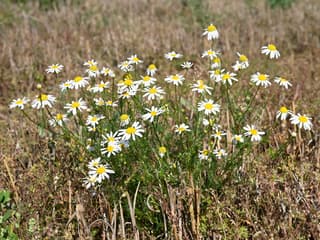
Scentless Chamomile with Botrytis? Rare but Treatable
Tripleurospermum inodorum
Botrytis on Scentless Chamomile: What to Know?
Botrytis on Scentless Chamomile (Tripleurospermum inodorum) is a fungal condition with moderate severity. Scentless Chamomile has low susceptibility to this disease.
Scentless Chamomile is a easy-care plant.
Unlike most plants, Scentless Chamomile has natural resistance to Botrytis. Best treated with preventive measures rather than reactive treatment. Unlike bacterial infections, Botrytis on Scentless Chamomile can be managed with organic fungicides.
🌱 How to Care for Scentless Chamomile to Prevent Botrytis?
💧 How to Water
Water the plant when the top 2–3 cm of soil is dry. It tolerates short periods of drought but prefers consistent moisture. Avoid overwatering and stagnant water, as root rot is the most common cause of problems. Preferably use rainwater or dechlorinated water.
☀️ Lighting
Scentless chamomile requires full sun for optimal growth and flowering. Place it in a sunny spot with at least 6 hours of direct light daily. In partial shade, the plant will grow, but flowers will be fewer and stems weaker.
🪴 Ideal Soil
Prefers light, well-drained loamy soil with good air circulation and a pH of 7.0–8.0 (slightly alkaline). Adding compost before planting is recommended. The plant tolerates nutrient-poor and disturbed soil but thrives best in moderately nutrient-rich soil.