Barbados lily with Grey Mould? Rare but Treatable
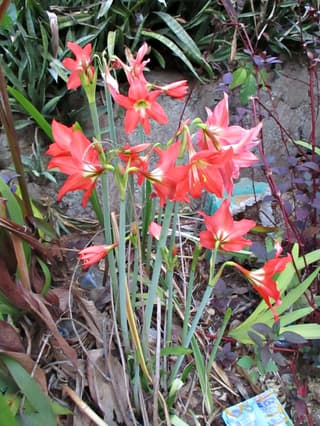
Hippeastrum puniceum
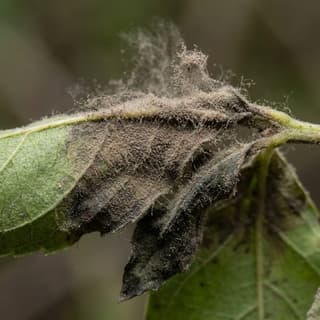
Grey Mould on Barbados lily: What to Know?
Grey Mould on Barbados lily (Hippeastrum puniceum) is a fungal condition with moderate severity. Barbados lily has low susceptibility to this disease.
Barbados lily is a easy-care plant. As an indoor plant, ensure good ventilation to aid recovery.
Unlike most plants, Barbados lily has natural resistance to Grey Mould. Best treated with preventive measures rather than reactive treatment. Unlike bacterial infections, Grey Mould on Barbados lily can be managed with organic fungicides. Without precautions, chemical treatments for Grey Mould can be harmful to pets. Use organic methods for Barbados lily in pet-friendly homes.
🌱 How to Care for Barbados lily to Prevent Grey Mould?
💧 How to Water
Water when the top few centimetres of soil are dry, about once a week while it has leaves and flowers. Avoid soggy soil, which rots the bulb. During the winter rest, almost no water.
☀️ Lighting
Full sun or part shade. More sun means more flowers, though it tolerates partial shade. Indoors, give it a very bright window.
🪴 Ideal Soil
Grows in many soil types as long as they drain well. In pots, use a light mix with coarse sand or perlite.
Frequently asked questions
Can Grey Mould kill my Barbados lily?
Is Grey Mould contagious to other plants near Barbados lily?
Sources & References
- Plant Pono (Hawaii) - Hippeastrum puniceum, Barbados lily
- StuartXchange Philippine Medicinal Plants - Orange lirio (Hippeastrum puniceum)
- EcuRed - Hippeastrum puniceum
- ASPCA - Barbados Lily (Hippeastrum spp.) toxic to dogs and cats
- EPPO Global Database - Hippeastrum puniceum
- Connecticut Agricultural Experiment Station - Plant Pest Handbook: Amaryllis (Hippeastrum)