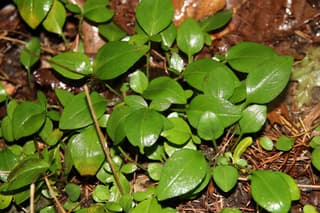
Shrubby St. John's Wort with Botrytis? Rare but Treatable
Hypericum prolificum
Botrytis on Shrubby St. John's Wort: What to Know?
Botrytis on Shrubby St. John's Wort (Hypericum prolificum) is a fungal condition with moderate severity. Shrubby St. John's Wort has low susceptibility to this disease.
Shrubby St. John's Wort is a easy-care plant.
Unlike most plants, Shrubby St. John's Wort has natural resistance to Botrytis. Best treated with preventive measures rather than reactive treatment. Unlike bacterial infections, Botrytis on Shrubby St. John's Wort can be managed with organic fungicides. Without precautions, chemical treatments for Botrytis can be harmful to pets. Use organic methods for Shrubby St. John's Wort in pet-friendly homes.
🌱 How to Care for Shrubby St. John's Wort to Prevent Botrytis?
💧 How to Water
Shrubby St. John's wort is a drought-tolerant plant. After planting, it should be watered weekly until it becomes established, but once rooted, watering every 10 days is sufficient. Avoid constant moisture, as root rot can occur in waterlogged soil. Deeper watering is necessary during dry periods in the summer.
☀️ Lighting
Full sun (6+ hours per day) ensures the best flowering and the most compact habit. It also tolerates partial shade, though with reduced flowering. In shady locations, it tends to become leggy and flowers poorly. Open south- or east-facing locations are ideal.
🪴 Ideal Soil
It requires well-draining soil, although it has a wide tolerance for soil types—it thrives in sandy, loamy, and clay soils alike. It is flexible regarding soil chemistry, performing well between pH 5.5 and 7.5. Fertilized, rich soil is not necessary; poor, drier soil is also suitable.