Hypericaceae
Shrubby St. John's Wort: Medicinal Uses & Care Tips
Hypericum prolificum
A low-maintenance, drought-tolerant shrub that requires full sun or partial shade. It grows slowly but is long-lived and resilient. It prefers well-draining soil; waterlogging must be avoided. It is recommended to prune it once a year in the spring to encourage denser growth. Due to its low maintenance requirements, it is an ideal choice for naturalistic landscapes.
Every 10 days
Bright indirect
-34° - 38°C
30% - 70%
Categories
What is Shrubby St. John's Wort?
Shrubby St. John's Wort (Hypericum prolificum) is a easy-care plant from the Hypericaceae family. Hypericum prolificum, commonly known as shrubby St. John's wort, is a compact, deciduous shrub native to the eastern and central United States. Its dense, upright stems are adorned with bright yellow, five-petaled flowers from June to October, which are distinguished by their numerous prominent stam...
Shrubby St. John's Wort grows up to 1.5m, spread of 120cm, watering every 10 days, -34°C – 38°C, 30–70% humidity. It is not suitable for indoor environments and not safe for pets.
Unlike many tropical plants, Shrubby St. John's Wort tolerates watering mistakes. Best for beginners. Without precautions, ingestion can cause irritation in pets. Keep out of reach of cats and dogs.
How to Care for Shrubby St. John's Wort?
TLDR: Shrubby St. John's Wort needs Bright indirect, watering every 10 days, and temperatures between -34-38°C with 30-70% humidity.
How Often Should You Water Shrubby St. John's Wort?
Shrubby St. John's wort is a drought-tolerant plant. After planting, it should be watered weekly until it becomes established, but once rooted, watering every 10 days is sufficient. Avoid constant moisture, as root rot can occur in waterlogged soil. Deeper watering is necessary during dry periods in the summer.
How Much Light Does Shrubby St. John's Wort Need?
Full sun (6+ hours per day) ensures the best flowering and the most compact habit. It also tolerates partial shade, though with reduced flowering. In shady locations, it tends to become leggy and flowers poorly. Open south- or east-facing locations are ideal.
What Is the Best Soil for Shrubby St. John's Wort?
It requires well-draining soil, although it has a wide tolerance for soil types—it thrives in sandy, loamy, and clay soils alike. It is flexible regarding soil chemistry, performing well between pH 5.5 and 7.5. Fertilized, rich soil is not necessary; poor, drier soil is also suitable.
What Pot Should You Use for Shrubby St. John's Wort?
Since it is an outdoor shrub, it is primarily planted in the ground. If kept in a container, a pot of at least 40 liters (approx. 10 gallons) with well-draining holes is recommended. Clay or terracotta pots are ideal as they help excess moisture evaporate.
Care Schedule
Fertilize
Every 60 days
What Is Shrubby St. John's Wort and Where Does It Come From?
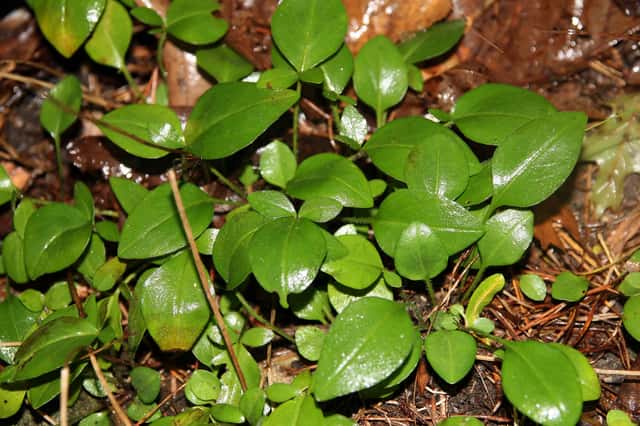
Hypericum prolificum, commonly known as shrubby St. John's wort, is a compact, deciduous shrub native to the eastern and central United States. Its dense, upright stems are adorned with bright yellow, five-petaled flowers from June to October, which are distinguished by their numerous prominent stamens. Its dark green, lance-shaped leaves drop during the winter season. It is an extremely adaptable plant: it tolerates drought, compacted soil, and various soil types. It is popular in naturalistic gardens, butterfly gardens, and rain gardens, where it is utilized as a perennial ornamental shrub.
How to Propagate Shrubby St. John's Wort?
How Big Does Shrubby St. John's Wort Grow?
TLDR: Shrubby St. John's Wort can reach up to 1.5m tall with Slow growth rate.
Max height
1.5m
Spread
1.2m
Growth rate
Slow
Foliage
Deciduous
Warning: Toxic Plant
This plant can be toxic if ingested. Keep out of reach of:
Plant Uses
Ornamental
Great for decoration
Medicinal
Medicinal properties
Medicinal Uses
- In folk medicine, antidepressant effects are attributed to it (primarily the Hypericum perforatum species)
- Antibacterial and anti-inflammatory extracts can be prepared from it
- Traditionally used for wound healing and treating burns
- Used in some pharmaceutical products to alleviate attention deficit and anxiety
Is your plant showing symptoms?
Click on the symptom to discover possible causes:
What Diseases Commonly Affect Shrubby St. John's Wort?
TLDR: Shrubby St. John's Wort is susceptible to 8 known diseases. Monitor regularly for early detection.
Root Rot
Root rot is a serious fungal disease that affects the root system of plants, causing them to decay and die. It is primarily caused by overwatering, poor drainage, or soil-borne fungi such as Pythium, Phytophthora, Rhizoctonia, and Fusarium. The disease thrives in waterlogged conditions where roots are deprived of oxygen, making them susceptible to fungal infection.
Powdery Mildew
Powdery mildew is a common fungal disease caused by various fungi species including Erysiphe, Podosphaera, Oïdium, and Leveillula. It affects over 10,000 plant species worldwide. The disease thrives in warm, dry climates with high humidity and appears as a distinctive white powdery coating on plant surfaces.
Rust
Rust is a common fungal disease caused by fungi in the order Pucciniales that affects a wide variety of plants. The disease gets its name from the characteristic orange, yellow, or reddish-brown pustules that appear on leaves, resembling metal rust. This obligate fungal parasite requires living plants to survive and can cause significant economic losses in agricultural crops.
Aphids
Aphids are small, soft-bodied, pear-shaped insects (1/16 to 1/8 inch long) that feed by sucking nutrient-rich sap from plants. They reproduce rapidly and can quickly weaken plants, causing distorted growth and transmitting plant viruses. Aphids come in various colors including green, black, red, yellow, brown, and gray. They secrete honeydew, a sticky substance that attracts ants and encourages sooty mold growth.
Meaning & Symbolism
St. John's wort has been a symbol of healing, protection, and happiness for centuries. In folk medicine, it is also known as a 'magic herb' used to ward off misfortune and lift the spirit. Its bright yellow flowers represent sunlight and cheerfulness.
Compare with similar plants
| Attribute | Difficulty | Light | Watering | Pet Safe |
|---|---|---|---|---|
| Field Maple | Easy | Bright indirect | 14d | ✓ |
| Silver Birch | Easy | Direct sun | 14d | ✓ |
| Common Blanketflower | Easy | Direct sun | 10d | ✓ |
| Cushion Bush | Easy | Direct sun | 14d | ✓ |





