Foamy Bells with Grey Mould? Rare but Treatable
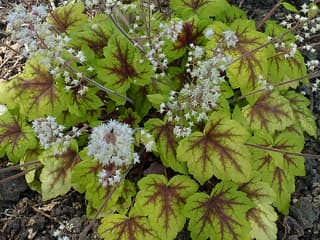
Heucherella
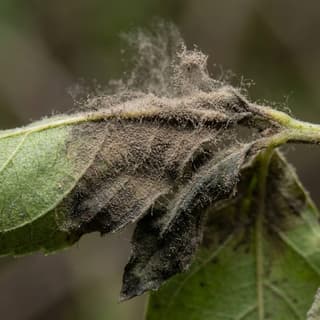
Grey Mould on Foamy Bells: What to Know?
Grey Mould on Foamy Bells (Heucherella) is a fungal condition with moderate severity. Foamy Bells has low susceptibility to this disease.
Foamy Bells is a easy-care plant. As an indoor plant, ensure good ventilation to aid recovery.
Unlike most plants, Foamy Bells has natural resistance to Grey Mould. Best treated with preventive measures rather than reactive treatment. Unlike bacterial infections, Grey Mould on Foamy Bells can be managed with organic fungicides.
🌱 How to Care for Foamy Bells to Prevent Grey Mould?
💧 How to Water
Water approximately once a week, keeping the soil evenly moist—especially during hot summer periods. Avoid overhead watering; instead, water directly at the root to reduce the risk of fungal infections. Established plants tolerate short periods of drought well. Avoid standing water around the crown, as this can lead to crown rot.
☀️ Lighting
Heucherella thrives best in partial shade (2–6 hours of direct sun). Morning sun with afternoon shade is ideal. Varieties with dark leaves can tolerate slightly more sun, while light and yellow-green varieties should be protected from intense midday sun to avoid leaf scorch.
🪴 Ideal Soil
Plant in humus-rich, well-drained soil with a pH of 6.0–7.0. Add compost or well-rotted manure to improve drainage and nutrient content. Avoid heavy clay soil without amendment. Apply a 2–3 inch (5–8 cm) layer of mulch around the plant (not against the crown itself) to retain moisture and regulate soil temperature.