Globe Candytuft with Grey Mould? Rare but Treatable
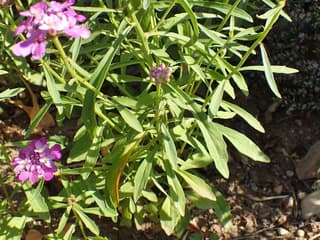
Iberis umbellata
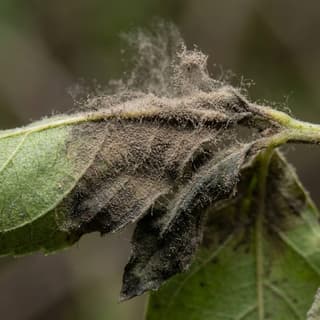
Grey Mould on Globe Candytuft: What to Know?
Grey Mould on Globe Candytuft (Iberis umbellata) is a fungal condition with moderate severity. Globe Candytuft has low susceptibility to this disease.
Globe Candytuft is a easy-care plant.
Unlike most plants, Globe Candytuft has natural resistance to Grey Mould. Best treated with preventive measures rather than reactive treatment. Unlike bacterial infections, Grey Mould on Globe Candytuft can be managed with organic fungicides.
🌱 How to Care for Globe Candytuft to Prevent Grey Mould?
💧 How to Water
Let the soil dry out between waterings - globe candytuft is drought-tolerant once established, and overwatering is the most common cause of root rot and reduced flowering. Water deeply but infrequently, and never let pots or beds stay waterlogged.
☀️ Lighting
Give globe candytuft full sun for at least 6 hours a day; it flowers poorly and can turn leggy in shade. A south- or west-facing bed or windowsill is ideal.
🪴 Ideal Soil
Plant in well-drained, even lean or poor soil - rich, heavy, or waterlogged ground encourages root rot and floppy growth. It tolerates a wide pH range from mildly acidic to alkaline/chalky, so no special soil amending is usually needed.