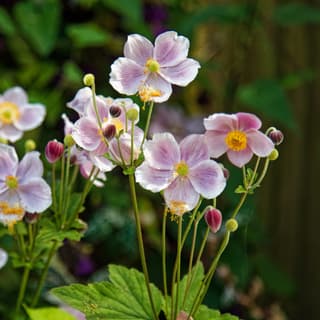
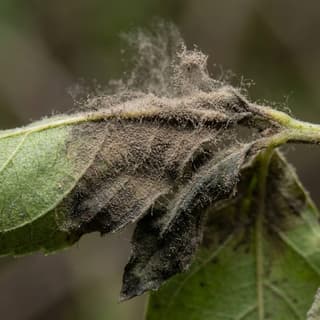
Japanese Anemone with Grey Mould: Prevention & Cure
Anemone hupehensis
Grey Mould on Japanese Anemone: What to Know?
Grey Mould on Japanese Anemone (Anemone hupehensis) is a fungal condition with moderate severity. Japanese Anemone has moderate susceptibility to this disease.
Japanese Anemone is a medium-care plant.
Unlike bacterial infections, Grey Mould on Japanese Anemone can be managed with organic fungicides. Without precautions, chemical treatments for Grey Mould can be harmful to pets. Use organic methods for Japanese Anemone in pet-friendly homes.
🌱 How to Care for Japanese Anemone to Prevent Grey Mould?
💧 How to Water
Keep the soil consistently moist, but never soggy – water when the topsoil begins to dry out. Avoid standing water, especially in winter, as Japanese Anemone is susceptible to root rot.
☀️ Lighting
The best flowering is achieved in partial shade, with morning sun and afternoon shade. The plant can also tolerate full sun, provided the soil remains moist; excessive shade will cause the plant to become leggy and reduce flowering.
🪴 Ideal Soil
Prefer nutrient-rich, humus-rich, and well-draining soil with a pH close to neutral (6.0-7.5). When planting, mix in compost or leaf mold to improve soil structure and water retention.
Frequently asked questions
Can Grey Mould kill my Japanese Anemone?
Is Grey Mould contagious to other plants near Japanese Anemone?
Sources & References
- Eriocapitella hupehensis - NC State Extension Plant Toolbox
- How To Grow Japanese Anemones - Gardenia.net
- Japanese Anemone Plant Care - Greg App
- Japanese anemone - The Morton Arboretum
- Common diseases and insect pests of anemone and their control - The Plant Aide
- Common Pests And Diseases That Cause Damage To Anemone Flowers - House Digest
- Perennial Solutions: Anemone x hybrida Honorine Jobert - GPN Mag
- Anemone Flower: Meaning, Symbolism, and Colors - Pansy Maiden
- Syysvuokko - Wikipedia