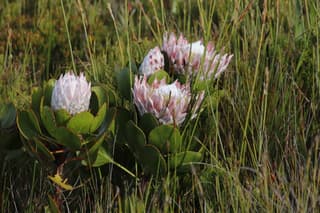
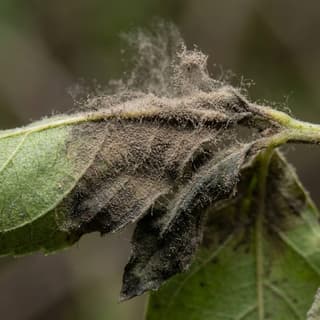
King Protea with Grey Mould: Prevention & Cure
Protea cynaroides
Grey Mould on King Protea: What to Know?
Grey Mould on King Protea (Protea cynaroides) is a fungal condition with moderate severity. King Protea has moderate susceptibility to this disease.
King Protea is a hard-care plant.
Unlike bacterial infections, Grey Mould on King Protea can be managed with organic fungicides.
🌱 How to Care for King Protea to Prevent Grey Mould?
💧 How to Water
Water deeply (soaking the root zone) only once the top few inches of soil have dried out, roughly every 7-14 days depending on climate. Reduce frequency further in cool or humid weather - soggy, waterlogged soil is the single biggest threat to this plant, quickly leading to root rot.
☀️ Lighting
Needs full, direct sun for at least 6-8 hours a day to bloom well and keep growth compact. Insufficient light produces leggy growth and few, if any, flowers.
🪴 Ideal Soil
Plant in sandy, nutrient-poor, sharply-draining, acidic soil (pH 5.0-6.5). Avoid rich garden soil, compost-heavy mixes, or fertilizers high in phosphorus and nitrogen - proteas evolved in poor fynbos soils and are easily damaged by excess nutrients.