Proteaceae
King Protea: Edible Plant
Protea cynaroides
The King Protea demands full sun, sharp drainage, and lean, acidic sandy soil - conditions that mimic its native fynbos. It is intolerant of rich, fertile soil and root disturbance, and highly susceptible to root rot if the soil stays wet, so water deeply but infrequently and let the topsoil dry between waterings. Best grown outdoors in warm, frost-mild, low-humidity climates; indoor cultivation is not recommended.
Every 10 days
Direct sun
0° - 32°C
30% - 50%
Categories
What is King Protea?
King Protea (Protea cynaroides) is a hard-care plant from the Proteaceae family. Protea cynaroides, the King Protea, is an evergreen shrub native to the fynbos of South Africa's Western and Southern Cape, where it thrives in nutrient-poor, well-drained sandy soils under a Mediterranean climate of hot, dry summers and cool, wet winters. It produces the largest flower head in the...
King Protea grows up to 2.0m, spread of 120cm, watering every 10 days, 0°C – 32°C, 30–50% humidity. It is not suitable for indoor environments and safe for pets.
Unlike easy-care plants, King Protea demands constant attention to humidity and light. Not recommended for beginners. Unlike many popular species, King Protea is safe to keep around pets.
How to Care for King Protea?
TLDR: King Protea needs Direct sun, watering every 10 days, and temperatures between 0-32°C with 30-50% humidity.
How Often Should You Water King Protea?
Water deeply (soaking the root zone) only once the top few inches of soil have dried out, roughly every 7-14 days depending on climate. Reduce frequency further in cool or humid weather - soggy, waterlogged soil is the single biggest threat to this plant, quickly leading to root rot.
How Much Light Does King Protea Need?
Needs full, direct sun for at least 6-8 hours a day to bloom well and keep growth compact. Insufficient light produces leggy growth and few, if any, flowers.
What Is the Best Soil for King Protea?
Plant in sandy, nutrient-poor, sharply-draining, acidic soil (pH 5.0-6.5). Avoid rich garden soil, compost-heavy mixes, or fertilizers high in phosphorus and nitrogen - proteas evolved in poor fynbos soils and are easily damaged by excess nutrients.
What Pot Should You Use for King Protea?
If container growing is attempted, use a wide, deep, unglazed terracotta pot with generous drainage holes and a gritty, sand-based potting mix - proteas have sensitive, shallow root systems that dislike disturbance and wet feet, so choose a pot sized to avoid frequent repotting.
Care Schedule
Fertilize
Every 90 days
Repot
Every 730 days
What Is King Protea and Where Does It Come From?
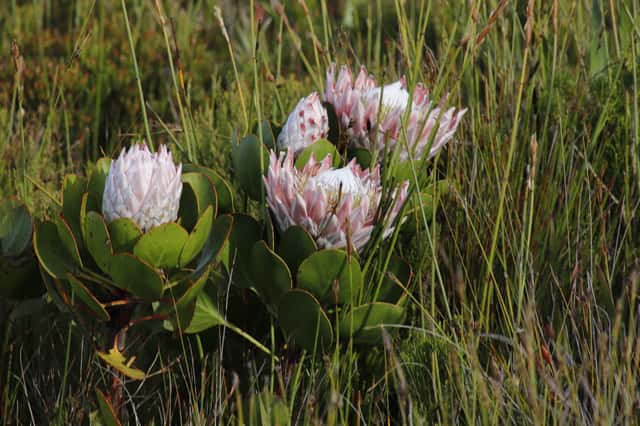
Protea cynaroides, the King Protea, is an evergreen shrub native to the fynbos of South Africa's Western and Southern Cape, where it thrives in nutrient-poor, well-drained sandy soils under a Mediterranean climate of hot, dry summers and cool, wet winters. It produces the largest flower head in the genus - a goblet-shaped inflorescence of tightly packed silky florets ringed by large, stiff bracts that range from creamy white to deep crimson, with soft silvery pink being the most prized form. Below the flowers, the plant carries tough, leathery, dark green leaves adapted to withstand drought and wind. Slow-growing and long-lived, it resprouts vigorously from a woody underground rootstock after wildfires, a trait central to its status as South Africa's national flower.
How to Propagate King Protea?
Seed Propagation
- Do not disturb the roots once sown - proteas dislike transplanting.
- Use fresh seed for best germination rates.
- 1 Soak seed
Soak seed for 24 hours in lukewarm water to soften the hard seed coat and improve germination.
- 2 Sow
Sow in individual pots of well-drained, sandy, low-nutrient mix, as King Protea seedlings resent transplanting.
- 3 Germinate
Keep in a bright, cool, well-ventilated spot; germination is slow and can take 1-3 months.
- 4 Grow on
Keep seedlings in their pots through the first year before planting into a permanent, full-sun position.
Materials needed:
Semi-Hardwood Cuttings
- Good air circulation is essential to prevent fungal rot during rooting.
- Avoid overwatering the propagation mix.
- 1 Take cutting
Take a 10-15 cm semi-hardwood cutting from a healthy stem in early spring or late summer.
- 2 Apply hormone
Dip the cut end in rooting hormone.
- 3 Plant
Insert into a sandy, sharply-draining propagation mix and keep in a spot with good air circulation.
- 4 Root and pot on
Keep evenly moist (not wet) until rooted, then pot on into a sandy mix, avoiding root disturbance thereafter.
Materials needed:
How Big Does King Protea Grow?
TLDR: King Protea can reach up to 2.0m tall with Slow growth rate.
Max height
2.0m
Spread
1.2m
Growth rate
Slow
Foliage
Evergreen
Plant Uses
Ornamental
Great for decoration
Edible
Can be consumed
Medicinal Uses
- No well-documented modern medicinal use is confirmed for this species specifically, though other Proteaceae species have a history of traditional Cape folk-medicine use for skin conditions, coughs, and digestive complaints.
Culinary Uses
- The flowers produce abundant sweet nectar, edible in small amounts and traditionally sipped or used as a sugar substitute by indigenous Cape communities and early settlers; the plant is not otherwise used as food.
Is your plant showing symptoms?
Click on the symptom to discover possible causes:
What Diseases Commonly Affect King Protea?
TLDR: King Protea is susceptible to 14 known diseases. Monitor regularly for early detection.
Root Rot
Root rot is a serious fungal disease that affects the root system of plants, causing them to decay and die. It is primarily caused by overwatering, poor drainage, or soil-borne fungi such as Pythium, Phytophthora, Rhizoctonia, and Fusarium. The disease thrives in waterlogged conditions where roots are deprived of oxygen, making them susceptible to fungal infection.
Powdery Mildew
Powdery mildew is a common fungal disease caused by various fungi species including Erysiphe, Podosphaera, Oïdium, and Leveillula. It affects over 10,000 plant species worldwide. The disease thrives in warm, dry climates with high humidity and appears as a distinctive white powdery coating on plant surfaces.
Anthracnose
Anthracnose is a fungal disease caused by fungi in the genus Colletotrichum that affects many plants, including vegetables, fruits, and trees. The disease thrives in cool, wet conditions, causing dark, sunken lesions on leaves, stems, flowers, and fruits.
Sooty Mold
Sooty mold is a fungal disease that develops on surfaces coated with honeydew, a sticky sweet substance secreted by sap-sucking insects like aphids, scale insects, and whiteflies. While it does not directly infect plant tissue, it reduces photosynthetic capacity by blocking sunlight and diminishes the plant's aesthetic appearance.
Meaning & Symbolism
Adopted as South Africa's national flower in 1976, the King Protea symbolizes transformation, courage, diversity, and hope. Its ability to resprout from a fire-surviving rootstock after fynbos wildfires has made it an enduring emblem of resilience and renewal, echoed in its use as the emblem of South Africa's national cricket team, the Proteas.
Compare with similar plants
| Attribute | Difficulty | Light | Watering | Pet Safe |
|---|---|---|---|---|
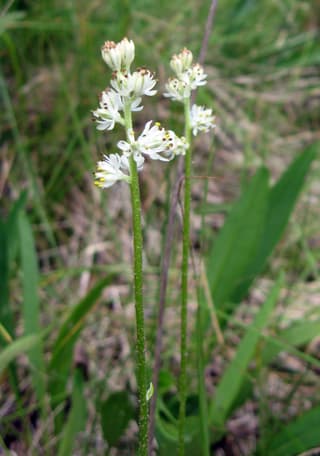
| Sticky false asphodel | Hard | Bright indirect | 1d | ✓ |
| Creeping bentgrass | Hard | Direct sun | 3d | ✓ |
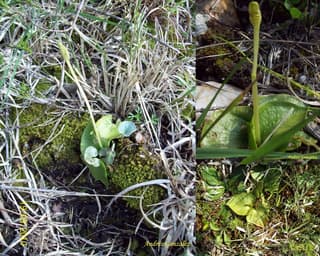
| Bulbous Adder's-tongue | Hard | Partial shade | 4d | ✓ |
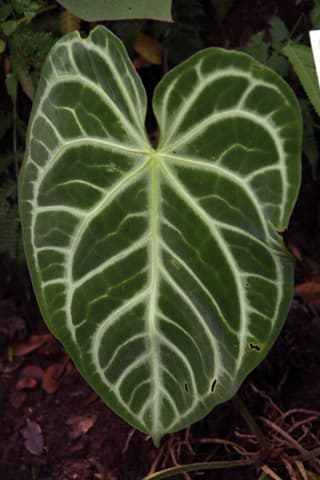
| Crystal Anthurium | Hard | Partial shade | 7d | ⚠️ |