Creeping lady's-tresses with Grey Mould? Rare but Treatable
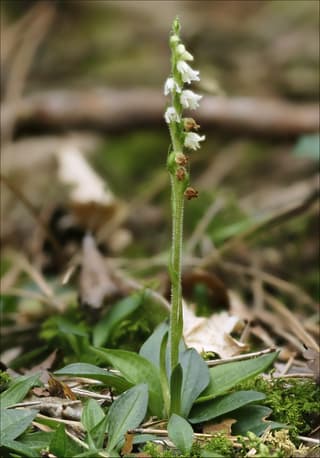
Goodyera repens
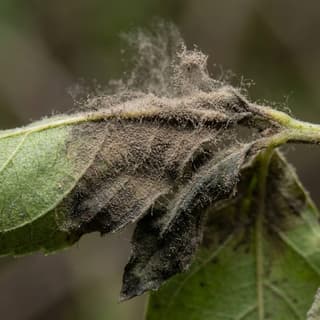
Grey Mould on Creeping lady's-tresses: What to Know?
Grey Mould on Creeping lady's-tresses (Goodyera repens) is a fungal condition with moderate severity. Creeping lady's-tresses has low susceptibility to this disease.
Creeping lady's-tresses is a hard-care plant. As an indoor plant, ensure good ventilation to aid recovery.
Unlike most plants, Creeping lady's-tresses has natural resistance to Grey Mould. Best treated with preventive measures rather than reactive treatment. Unlike bacterial infections, Grey Mould on Creeping lady's-tresses can be managed with organic fungicides.
🌱 How to Care for Creeping lady's-tresses to Prevent Grey Mould?
💧 How to Water
Use only soft rainwater or distilled water and keep the growing medium consistently moist, but never waterlogged—excessive moisture promotes root rot.
☀️ Lighting
Avoid direct sunlight; the plant prefers partial shade or dappled light, resembling the conditions of a forest understory.
🪴 Ideal Soil
Use an acidic, well-draining, and organic-rich mixture of peat, pine needles, and live sphagnum moss; avoid using fertilizers as they harm the plant's vital mycorrhizal fungi.