Orchidaceae
Creeping lady's-tresses: Best for Low Light
Goodyera repens
Creeping lady's-tresses requires a cool, moist, and shaded location with acidic, organic-rich soil that mimics the natural floor of an old coniferous forest. The plant is sensitive to both drought and waterlogging, and the use of fertilizers or fungicides can damage its vital mycorrhizal fungi.
Every 4 days
Low light
5° - 22°C
60% - 90%
Categories
What is Creeping lady's-tresses?
Creeping lady's-tresses (Goodyera repens) is a hard-care plant from the Orchidaceae family. Creeping lady's-tresses (Goodyera repens) is a small, evergreen terrestrial orchid that spreads across the temperate coniferous and mixed forests of the Northern Hemisphere in Europe, Asia, and North America. The plant forms slowly expanding colonies via rhizomes in old, undisturbed coniferous fores...
Creeping lady's-tresses grows up to 30cm, spread of 15cm, watering every 4 days, 5°C – 22°C, 60–90% humidity. It is suitable for indoor environments and safe for pets.
Unlike easy-care plants, Creeping lady's-tresses demands constant attention to humidity and light. Not recommended for beginners. Unlike many popular species, Creeping lady's-tresses is safe to keep around pets. Without adequate drainage, root rot can develop within 8 days.
How to Care for Creeping lady's-tresses?
TLDR: Creeping lady's-tresses needs Low light, watering every 4 days, and temperatures between 5-22°C with 60-90% humidity.
How Often Should You Water Creeping lady's-tresses?
Use only soft rainwater or distilled water and keep the growing medium consistently moist, but never waterlogged—excessive moisture promotes root rot.
How Much Light Does Creeping lady's-tresses Need?
Avoid direct sunlight; the plant prefers partial shade or dappled light, resembling the conditions of a forest understory.
What Is the Best Soil for Creeping lady's-tresses?
Use an acidic, well-draining, and organic-rich mixture of peat, pine needles, and live sphagnum moss; avoid using fertilizers as they harm the plant's vital mycorrhizal fungi.
What Pot Should You Use for Creeping lady's-tresses?
A shallow and wide container filled with a mixture of pine needles, peat, and moss that ensures good drainage.
Care Schedule
Misting
Every 2 days
Repot
Every 730 days
What Is Creeping lady's-tresses and Where Does It Come From?
Creeping lady's-tresses (Goodyera repens) is a small, evergreen terrestrial orchid that spreads across the temperate coniferous and mixed forests of the Northern Hemisphere in Europe, Asia, and North America. The plant forms slowly expanding colonies via rhizomes in old, undisturbed coniferous forests, and its dark green leaves are decorated with a silvery-white reticulated pattern. From July to September, the plant produces a 10-20 cm tall one-sided inflorescence, bearing 7-36 small white or pale green hairy flowers. The orchid lives in close symbiosis with mycorrhizal fungi, upon which its seedlings are entirely dependent.
How to Propagate Creeping lady's-tresses?
Rhizome division
- Always use sterilized tools when dividing
- Keep plants in a high-humidity terrarium after division
- 1 Plant preparation
Carefully remove the plant from the pot or soil, ensuring the roots and rhizome remain intact.
- 2 Rhizome division
Cut the rhizome into sections so that each part has at least one leaf rosette and sufficient roots.
- 3 Planting
Plant the divisions in new acidic substrate and keep the environment in a terrarium very humid until the roots have established.
Materials needed:
Propagation from seeds
- Do not use fertilizers or fungicides, as these destroy the fungus necessary for germination
- Success rate is very low in nature without the correct fungal partner
- 1 Seed collection
Collect ripened seed pods after flowering.
- 2 Sowing
Sow seeds on the surface of a moist substrate containing soil taken from near the parent plant along with the necessary mycorrhizal fungus, as seeds will not germinate without the symbiotic fungus.
- 3 Patient waiting
Keep the seedlings consistently moist and shaded; germination and development can take several years.
Materials needed:
How Big Does Creeping lady's-tresses Grow?
TLDR: Creeping lady's-tresses can reach up to 30cm tall with Slow growth rate.
Max height
30cm
Spread
15cm
Growth rate
Slow
Foliage
Evergreen
Plant Uses
Ornamental
Great for decoration
Medicinal
Medicinal properties
Medicinal Uses
- Use of a cold leaf infusion to improve appetite and treat colds
- Leaf poultice applied to wounds and burns
- Mouthwash to relieve toothache
- Roots and leaves have been used in folk medicine for bladder, stomach, and gynecological issues
- Plant juice has been used as eye drops
Is your plant showing symptoms?
Click on the symptom to discover possible causes:
What Diseases Commonly Affect Creeping lady's-tresses?
TLDR: Creeping lady's-tresses is susceptible to 6 known diseases. Monitor regularly for early detection.
Root Rot
Root rot is a serious fungal disease that affects the root system of plants, causing them to decay and die. It is primarily caused by overwatering, poor drainage, or soil-borne fungi such as Pythium, Phytophthora, Rhizoctonia, and Fusarium. The disease thrives in waterlogged conditions where roots are deprived of oxygen, making them susceptible to fungal infection.
Aphids
Aphids are small, soft-bodied, pear-shaped insects (1/16 to 1/8 inch long) that feed by sucking nutrient-rich sap from plants. They reproduce rapidly and can quickly weaken plants, causing distorted growth and transmitting plant viruses. Aphids come in various colors including green, black, red, yellow, brown, and gray. They secrete honeydew, a sticky substance that attracts ants and encourages sooty mold growth.
Spider Mites
Spider mites are tiny arachnids (less than 1/20 inch long) related to spiders and ticks that feed on plant sap. They thrive in hot, dry conditions and can cause significant damage to ornamental and vegetable plants. During severe infestations, crop losses can reach 14% or higher as these pests disrupt vital plant processes including photosynthesis, carbon dioxide absorption, and transpiration.
Grey Mould
Meaning & Symbolism
Symbolizes hidden beauty, resilience, and persistence in the more shaded places of nature.
Compare with similar plants
| Attribute | Difficulty | Light | Watering | Pet Safe |
|---|---|---|---|---|
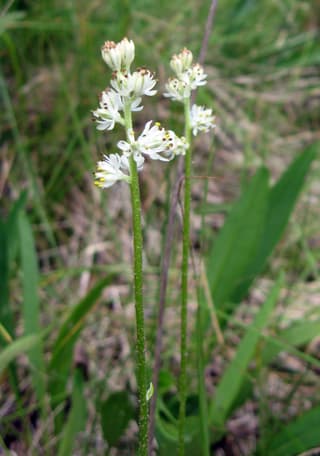
| Sticky false asphodel | Hard | Bright indirect | 1d | ✓ |
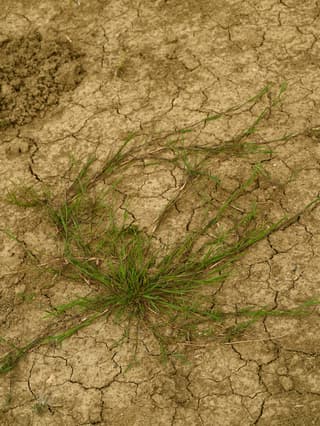
| Creeping bentgrass | Hard | Direct sun | 3d | ✓ |
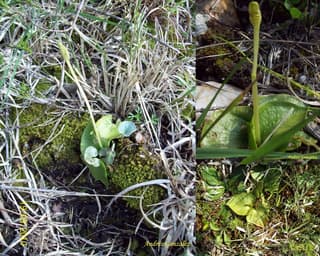
| Bulbous Adder's-tongue | Hard | Partial shade | 4d | ✓ |
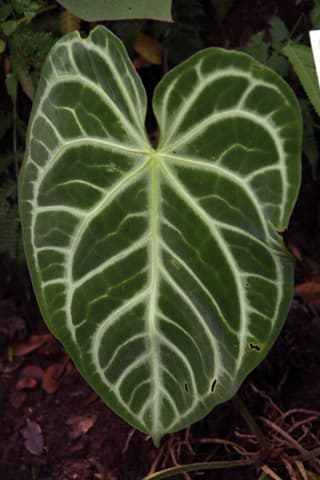
| Crystal Anthurium | Hard | Partial shade | 7d | ⚠️ |