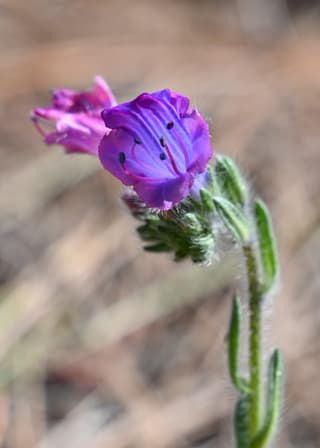
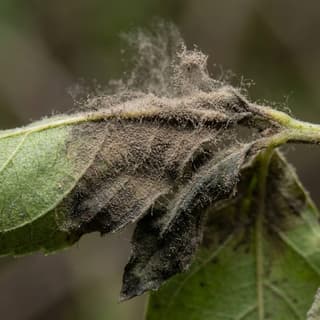
Purple Viper's Bugloss with Grey Mould: Prevention & Cure
Echium plantagineum
Grey Mould on Purple Viper's Bugloss: What to Know?
Grey Mould on Purple Viper's Bugloss (Echium plantagineum) is a fungal condition with moderate severity. Purple Viper's Bugloss has moderate susceptibility to this disease.
Purple Viper's Bugloss is a easy-care plant.
Unlike bacterial infections, Grey Mould on Purple Viper's Bugloss can be managed with organic fungicides. Without precautions, chemical treatments for Grey Mould can be harmful to pets. Use organic methods for Purple Viper's Bugloss in pet-friendly homes.
🌱 How to Care for Purple Viper's Bugloss to Prevent Grey Mould?
💧 How to Water
Water sparingly—the plant is drought-tolerant and thrives best when the soil is allowed to dry out thoroughly between waterings. Avoid standing water and soggy soil, as this quickly leads to root rot.
☀️ Lighting
Provide the plant with full sun for at least 6-8 hours daily. In very hot climates with intense afternoon sun, a little midday shade can prevent the leaves from scorching.
🪴 Ideal Soil
Prefers sandy or light, well-drained soil with a pH ranging from 4.5 to 8. The plant also manages well in lean, nutrient-poor soil and tolerates both acidic and alkaline ground, provided the drainage is good.