Silver Squill with Grey Mould? Rare but Treatable
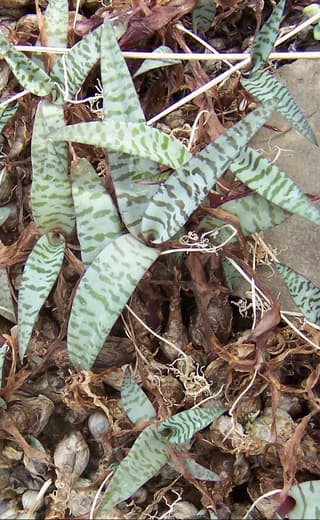
Scilla violacea
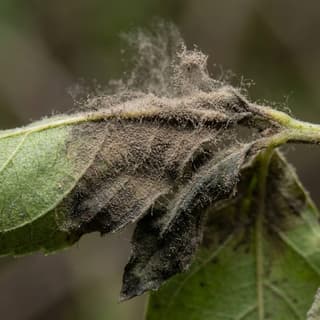
Grey Mould on Silver Squill: What to Know?
Grey Mould on Silver Squill (Scilla violacea) is a fungal condition with moderate severity. Silver Squill has low susceptibility to this disease.
Silver Squill is a easy-care plant. As an indoor plant, ensure good ventilation to aid recovery.
Unlike most plants, Silver Squill has natural resistance to Grey Mould. Best treated with preventive measures rather than reactive treatment. Unlike bacterial infections, Grey Mould on Silver Squill can be managed with organic fungicides. Without precautions, chemical treatments for Grey Mould can be harmful to pets. Use organic methods for Silver Squill in pet-friendly homes.
🌱 How to Care for Silver Squill to Prevent Grey Mould?
💧 How to Water
Water thoroughly, then allow the substrate to dry out almost completely before the next watering (the "soak and dry" method). Reduce frequency even further in autumn and winter, which is the plant's dormant period.
☀️ Lighting
Place it near a bright window with indirect light; a few hours of gentle direct morning sun in winter enhance the silvery contrast of the foliage, but avoid scorching full summer sun and overly dark locations, which cause it to lose its patterns.
🪴 Ideal Soil
Use a cactus and succulent potting mix amended with coarse sand or perlite, with a neutral pH between 6 and 8, to ensure quick drainage and prevent bulb rot.
Frequently asked questions
Can Grey Mould kill my Silver Squill?
Is Grey Mould contagious to other plants near Silver Squill?
Sources & References
- The COMPLETE Guide for Growing Silver Squills (Ledebouria Socialis) - UK Houseplants
- Ledebouria socialis (Silver Squill) - NC State Extension Plant Toolbox
- Ledebouria socialis - Wikipedia
- Silver Squill Care: All About Growing Ledebouria Socialis - Plant Care Today
- Is Silver Squill Toxic to Cats? - The Gardening