Asparagaceae
Silver Squill: Perfect Plant for Beginners
Scilla violacea
A very robust and drought-tolerant plant, ideal for beginners. It requires bright, indirect light, watering that allows the substrate to dry out almost completely between waterings, and a perfectly draining cactus/succulent type mix. Its growth is slow, and it appreciates being slightly root-bound in its pot.
Every 10 days
Bright indirect
10° - 29°C
30% - 60%
Categories
What is Silver Squill?
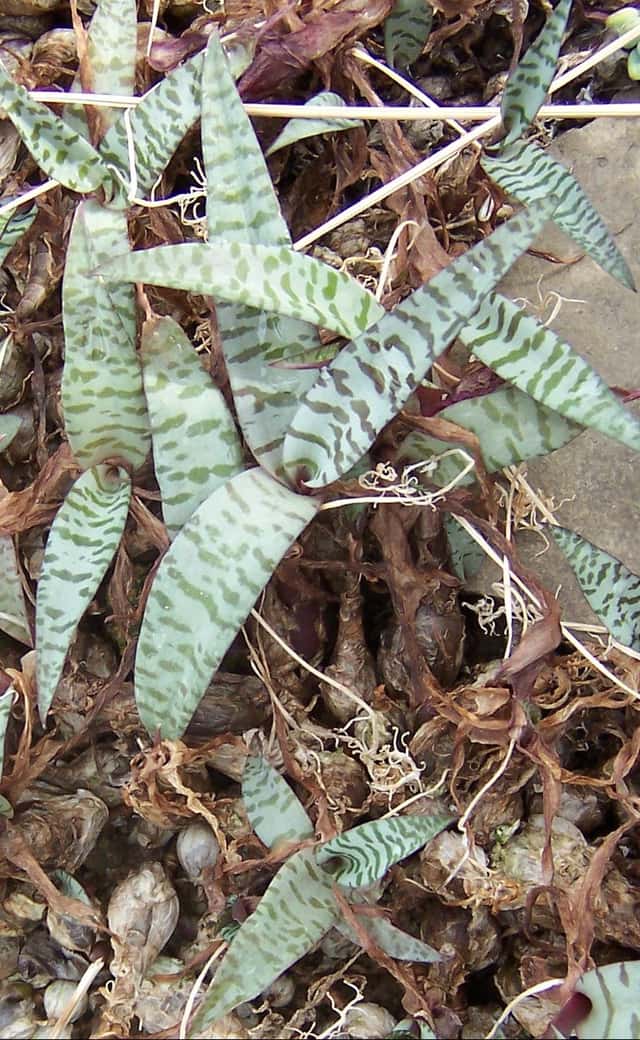
Silver Squill (Scilla violacea) is a easy-care plant from the Asparagaceae family. Silver Squill (Ledebouria socialis), also known as Scilla violacea, is an evergreen bulbous plant belonging to the Asparagaceae family, native to the Eastern Cape Province of South Africa. Its fleshy, lance-shaped leaves display an olive-green to silvery-gray color marbled with dark green spots, and...
Silver Squill grows up to 25cm, spread of 25cm, watering every 10 days, 10°C – 29°C, 30–60% humidity. It is suitable for indoor environments and not safe for pets.
Unlike many tropical plants, Silver Squill tolerates watering mistakes. Best for beginners. Without precautions, ingestion can cause irritation in pets. Keep out of reach of cats and dogs. Without adequate drainage, root rot can develop within 20 days.
How to Care for Silver Squill?
TLDR: Silver Squill needs Bright indirect, watering every 10 days, and temperatures between 10-29°C with 30-60% humidity.
How Often Should You Water Silver Squill?
Water thoroughly, then allow the substrate to dry out almost completely before the next watering (the "soak and dry" method). Reduce frequency even further in autumn and winter, which is the plant's dormant period.
How Much Light Does Silver Squill Need?
Place it near a bright window with indirect light; a few hours of gentle direct morning sun in winter enhance the silvery contrast of the foliage, but avoid scorching full summer sun and overly dark locations, which cause it to lose its patterns.
What Is the Best Soil for Silver Squill?
Use a cactus and succulent potting mix amended with coarse sand or perlite, with a neutral pH between 6 and 8, to ensure quick drainage and prevent bulb rot.
What Pot Should You Use for Silver Squill?
Opt for a wide, shallow, unglazed terracotta pot with good drainage holes: the bulbs develop on the surface, and terracotta allows the substrate to breathe between waterings.
Care Schedule
Fertilize
Every 60 days
Rotate
Every 14 days
Repot
Every 1095 days
What Is Silver Squill and Where Does It Come From?
Silver Squill (Ledebouria socialis), also known as Scilla violacea, is an evergreen bulbous plant belonging to the Asparagaceae family, native to the Eastern Cape Province of South Africa. Its fleshy, lance-shaped leaves display an olive-green to silvery-gray color marbled with dark green spots, and a distinctive purple underside. The small bulbs, partly exposed above the soil, multiply into dense colonies over time. In spring and summer, slender pink flower stalks bear discreet greenish-white flowers with purple stamens.
How to Propagate Silver Squill?
Bulblet Division
- Allow wounds to heal for 1 to 2 days before the first watering.
- Maintain slightly moist substrate and bright indirect light for the first 8 weeks.
- 1 Preparation
Water the substrate 24 hours before the operation to limit transplant stress, then gently remove the plant from its pot.
- 2 Separation
Detach bulblets with a diameter greater than 1 cm by gently twisting them at the point of connection with the mother bulb.
- 3 Potting
Plant each bulblet in a small pot with a fresh cactus/succulent mix, keeping the upper half of the bulb exposed.
Materials needed:
Seed Sowing
- This method is slower and more variable than division; reserve it if you want to multiply in large numbers.
- 1 Sowing
Sow fresh seeds on the surface of a light, moist potting mix in spring or summer.
- 2 Germination
Place in a warm, bright location, away from direct sun; germination occurs in approximately 3 weeks.
- 3 Transplanting
Transplant young seedlings into individual pots once they are large enough to handle.
Materials needed:
How Big Does Silver Squill Grow?
TLDR: Silver Squill can reach up to 25cm tall with Slow growth rate.
Max height
25cm
Spread
25cm
Growth rate
Slow
Foliage
Evergreen
Warning: Toxic Plant
This plant can be toxic if ingested. Keep out of reach of:
Plant Uses
Ornamental
Great for decoration
Is your plant showing symptoms?
Click on the symptom to discover possible causes:
What Diseases Commonly Affect Silver Squill?
TLDR: Silver Squill is susceptible to 12 known diseases. Monitor regularly for early detection.
Root Rot
Root rot is a serious fungal disease that affects the root system of plants, causing them to decay and die. It is primarily caused by overwatering, poor drainage, or soil-borne fungi such as Pythium, Phytophthora, Rhizoctonia, and Fusarium. The disease thrives in waterlogged conditions where roots are deprived of oxygen, making them susceptible to fungal infection.
Leaf Spot
Leaf spot is a common fungal disease caused by various pathogens including Alternaria, Ascochyta, Colletotrichum, Septoria, and Venturia. It primarily affects leaves, causing discolored spots that can lead to premature leaf drop if left untreated.
Grey Mould
Rust
Rust is a common fungal disease caused by fungi in the order Pucciniales that affects a wide variety of plants. The disease gets its name from the characteristic orange, yellow, or reddish-brown pustules that appear on leaves, resembling metal rust. This obligate fungal parasite requires living plants to survive and can cause significant economic losses in agricultural crops.
Meaning & Symbolism
Often associated with resilience and adaptability, this plant, native to the arid regions of Southern Africa, symbolizes the ability to thrive with few resources.
Compare with similar plants
| Attribute | Difficulty | Light | Watering | Pet Safe |
|---|---|---|---|---|
| Field Maple | Easy | Bright indirect | 14d | ✓ |
| Silver Birch | Easy | Direct sun | 14d | ✓ |
| Common Blanketflower | Easy | Direct sun | 10d | ✓ |
| Cushion Bush | Easy | Direct sun | 14d | ✓ |
Choose & Compare
Sources & References
- The COMPLETE Guide for Growing Silver Squills (Ledebouria Socialis) - UK Houseplants
- Ledebouria socialis (Silver Squill) - NC State Extension Plant Toolbox
- Ledebouria socialis - Wikipedia
- Silver Squill Care: All About Growing Ledebouria Socialis - Plant Care Today
- Is Silver Squill Toxic to Cats? - The Gardening





