Trout Lily with Grey Mould: Prevention & Cure
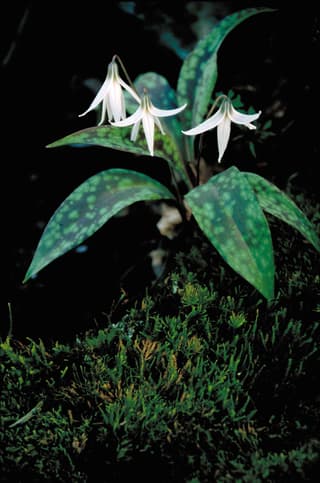
Erythronium
Grey Mould on Trout Lily: What to Know?
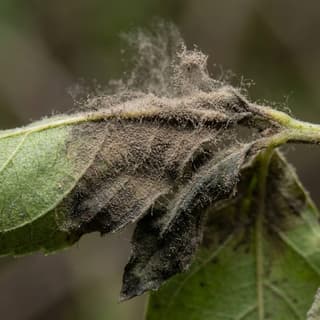
Grey Mould on Trout Lily (Erythronium) is a fungal condition with moderate severity. Trout Lily has moderate susceptibility to this disease.
Trout Lily is a medium-care plant.
Unlike bacterial infections, Grey Mould on Trout Lily can be managed with organic fungicides. Without precautions, chemical treatments for Grey Mould can be harmful to pets. Use organic methods for Trout Lily in pet-friendly homes.
🌱 How to Care for Trout Lily to Prevent Grey Mould?
💧 How to Water
Keep soil evenly moist during the active spring growth and flowering period, providing the equivalent of about 1 inch of water per week. Once leaves yellow and the plant goes dormant in early summer, reduce watering significantly - the corms prefer to stay on the dry side while dormant, especially in humus-rich soil that already retains some moisture.
☀️ Lighting
Erythronium thrives in the dappled light of a deciduous woodland canopy - deep to partial shade with only brief direct sun in early spring before trees leaf out gives the best flowering. Avoid hot, exposed, full-sun positions, which stress the shallow bulbs and shorten the bloom period.
🪴 Ideal Soil
Use a humus-rich, loamy woodland soil amended with leaf mold or compost that stays evenly moist in spring but drains freely so bulbs never sit in standing water. A slightly acidic to neutral pH (around 5.5-6.8) suits most species best; heavy clay or waterlogged soil promotes bulb rot.