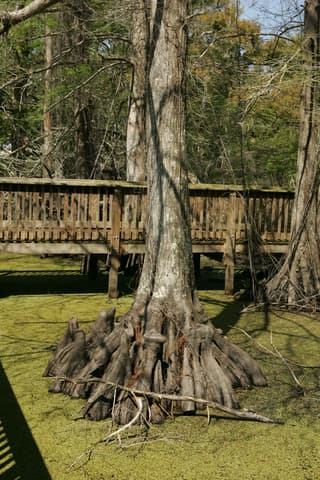
Bald Cypress with Broad Mites? Rare but Treatable
Taxodium distichum
Broad Mites on Bald Cypress: What to Know?
Broad Mites on Bald Cypress (Taxodium distichum) is a pest condition with high severity. Bald Cypress has low susceptibility to this disease. Broad mites (Polyphagotarsonemus latus) are microscopic pests measuring only 0.25mm, making them nearly invisible to the naked eye. These arthropods feed on meristematic tissues at growing tips, injec...
Bald Cypress is a easy-care plant. Recovery from Broad Mites takes approximately 21 days with proper treatment.
Unlike most plants, Bald Cypress has natural resistance to Broad Mites. Best treated with preventive measures rather than reactive treatment. Unlike fungal diseases, Broad Mites on Bald Cypress responds quickly to integrated pest management.
🔍 What Does Broad Mites Look Like on Bald Cypress?
- • Microscopic shiny amber or dark green mites (0.25mm) - nearly impossible to see without magnification
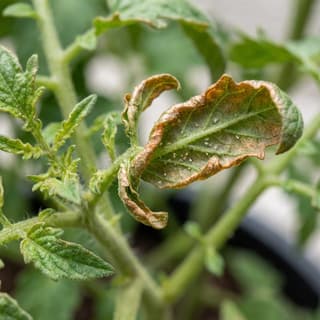
- • New leaves appear puckered, shriveled, or have abnormal strap-like shape
- • Leaf margins curl downward and become brittle or leathery
- • Bronzing or dark brown discoloration at leaf edges
- • Severely stunted or stopped growth at plant tips
- • Distorted, twisted, or aborted flowers and buds
- • Glossy or wet appearance on damaged new growth
- • Plant appears healthy but new growth is severely deformed
❓ What Causes Broad Mites on Bald Cypress?
- → Extremely small size (0.25mm) makes early detection nearly impossible
- → Toxic saliva injected during feeding causes distorted growth
- → Rapid reproduction - females lay 40-50 eggs in their lifetime
- → Thrive in warm (70-80°F) and humid conditions
- → Introduced through infested plant material, especially cuttings
- → Feed on meristematic tissues at growing points
- → Can be spread by workers, tools, and air currents in greenhouses
- → White flies may carry broad mites on their bodies
💊 How to Treat Broad Mites on Bald Cypress?
TLDR: Treat Broad Mites on Bald Cypress with quick treatment (~11 days) or organic (~21 days). Bald Cypress has low susceptibility to this disease.
Quick Fixes
Step 1
Isolate all affected plants immediately
Step 2
Remove and destroy all visibly damaged new growth and shoot tips
Step 3
Apply fast-acting miticide (abamectin or fenpyroximate) to entire plant
Step 4
Focus spray on new growth areas and undersides of young leaves
Step 5
Repeat miticide application every 5 days for 3 applications
Step 6
Lower humidity and increase air circulation around plants
Organic Treatment
Step 1
Immediately isolate infested plants to prevent spread to healthy plants
Step 2
Release predatory mites (Neoseiulus cucumeris: 50-100 per plant) on all plants
Step 3
Apply sulfur dust or sulfur spray to affected plants weekly
Step 4
Remove and destroy heavily infested shoot tips and new growth
Step 5
Apply neem oil (1-2% solution) every 7 days for 4 weeks
Step 6
Maintain humidity below 60% and ensure good air circulation
Step 7
Continue releasing predatory mites every 2 weeks for prevention
Step 8
Monitor new growth weekly with magnifying lens for 8 weeks
🛡️ How to Prevent Broad Mites on Bald Cypress?
TLDR: Prevent Broad Mites on Bald Cypress with 9 essential preventive care practices.
- ✓ Quarantine all new plants for 2-3 weeks before introducing to collection
- ✓ Inspect new growth regularly with 10x magnifying lens
- ✓ Maintain good air circulation and avoid excess humidity above 60%
- ✓ Keep temperatures below 80°F when possible
- ✓ Remove and destroy heavily infested plant parts immediately
- ✓ Isolate plants at first sign of distorted new growth
- ✓ Avoid overcrowding plants to reduce mite spread
- ✓ Sterilize pruning tools between plants
- ✓ Control white fly populations that can spread mites
🌱 How to Care for Bald Cypress to Prevent Broad Mites?
💧 How to Water
Water abundantly during the first few years of establishment, especially in summer, keeping the soil moist but not permanently waterlogged in dry areas. Mature specimens tolerate seasonal drought well. In winter, when the tree loses its leaves, reduce watering but do not let the soil dry out completely. This species also tolerates prolonged flooding and can grow with its roots submerged up to 60 cm deep.
☀️ Lighting
Plant in a full sun location, with at least 6 hours of direct sunlight per day, for the best development, vigorous growth, and characteristic reddish autumn foliage. It tolerates light partial shade, but in low-light conditions, the tree may grow more slender and less dense. Avoid completely shaded locations.
🪴 Ideal Soil
Prefers acidic to neutral soils (pH 4.5–7.0), with a sandy to loamy texture and good moisture retention. It adapts to heavy clay, sandy, compacted, and even alkaline soils, although in the latter, it may show iron chlorosis (yellow leaves). For best results, plant in acidic, cool, and slightly moist soils. Add organic matter when transplanting to improve water retention in well-draining soils.
Frequently asked questions
Can Broad Mites kill my Bald Cypress?
How long does Bald Cypress take to recover from Broad Mites?
Is Broad Mites contagious to other plants near Bald Cypress?
Sources & References
- Mites in Home Gardens | University of Maryland Extension
- Dealing with Broad Mite - Greenhouse Product News
- Broad Mite | VCE Publications | Virginia Tech
- Broad mite - Biocontrol, Damage and Life Cycle
- Broad Mite / Citrus / Agriculture: Pest Management Guidelines / UC Statewide IPM Program
- Morton Arboretum - Bald-cypress
- Gardenia.net - Taxodium distichum
- Clemson HGIC - Bald-cypress
- PFAF - Taxodium distichum
- Waste Magazine - Taxodium distichum