Satin Pothos with Calcium Deficiency? Rare but Treatable
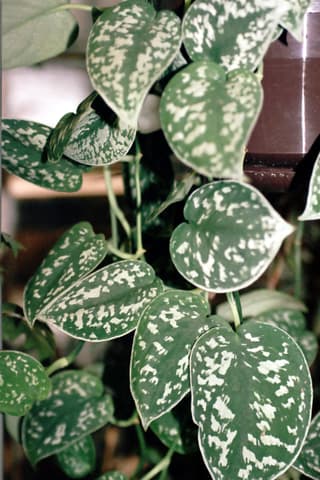
Scindapsus pictus
Calcium Deficiency on Satin Pothos: What to Know?
Calcium Deficiency on Satin Pothos (Scindapsus pictus) is a nutrient_deficiency condition with moderate severity. Satin Pothos has low susceptibility to this disease. Calcium deficiency is a common plant disorder caused by insufficient bioavailable calcium in the growing medium or, more frequently, by low transpiration rates that prevent proper calcium transport to...
Satin Pothos is a easy-care plant. Recovery from Calcium Deficiency takes approximately 14 days with proper treatment. As an indoor plant, ensure good ventilation to aid recovery.
Unlike most plants, Satin Pothos has natural resistance to Calcium Deficiency. Best treated with preventive measures rather than reactive treatment.
🔍 What Does Calcium Deficiency Look Like on Satin Pothos?
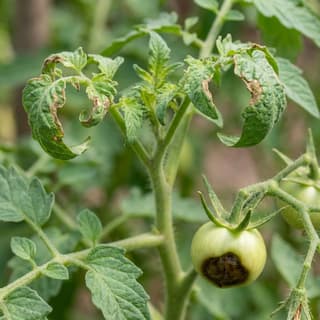
- • Necrotic margins on young leaves
- • Curling or twisted new growth
- • Tip burn with brown edges on leaves
- • Stunted plant growth and reduced height
- • Death of terminal buds and growing tips
- • Blossom end rot on tomatoes, peppers, and eggplants
- • Bitter pit on apples with brown spots
- • Cavity spot on carrots and root vegetables
- • Pale or withered appearance of new leaves
- • Fewer nodes and reduced leaf area
❓ What Causes Calcium Deficiency on Satin Pothos?
- → Insufficient bioavailable calcium in soil or growing medium
- → Low transpiration in affected tissues preventing calcium transport
- → Water shortages impeding nutrient uptake
- → Acidic, sandy, or coarse soils with low calcium content
- → Uneven soil moisture and inconsistent watering
- → Excessive nitrogen fertilization
- → High phosphorus levels making calcium insoluble
- → Magnesium imbalance interfering with calcium uptake
- → Poor root health limiting nutrient absorption
- → High humidity reducing transpiration rates
💊 How to Treat Calcium Deficiency on Satin Pothos?
TLDR: Treat Calcium Deficiency on Satin Pothos with quick treatment (~7 days) or organic (~14 days). Satin Pothos has low susceptibility to this disease.
Quick Fixes
Step 1
Mix calcium nitrate solution: 1 teaspoon per gallon of water
Step 2
Apply as foliar spray on affected leaves in early morning or evening
Step 3
Alternatively, use as soil drench around plant base
Step 4
Flush soil with pH-adjusted water (6.5-7.0) to remove salt buildup
Step 5
Apply commercial Cal-Mag supplement following package directions
Step 6
Ensure consistent watering daily to maintain moisture
Step 7
Check for improvement in new growth within 5-7 days
Organic Treatment
Step 1
Test soil pH using a home test kit or digital meter
Step 2
If pH is below 6.5, add dolomitic limestone or crushed eggshells to raise it
Step 3
Mix 2-3 tablespoons of bone meal into the top 2-3 inches of soil around affected plants
Step 4
Water deeply to help nutrients reach root zone
Step 5
Add 1-2 inches of organic compost as mulch to maintain moisture
Step 6
Monitor plants weekly for new healthy growth
Step 7
Repeat bone meal application every 4-6 weeks during growing season
🛡️ How to Prevent Calcium Deficiency on Satin Pothos?
TLDR: Prevent Calcium Deficiency on Satin Pothos with 10 essential preventive care practices.
- ✓ Maintain consistent watering schedule to ensure steady calcium transport
- ✓ Test and adjust soil pH to 6.5-7.0 for optimal calcium availability
- ✓ Avoid excessive nitrogen fertilization during early growth stages
- ✓ Add organic matter like compost or manure to improve soil structure
- ✓ Ensure good drainage to prevent waterlogging
- ✓ Monitor and maintain proper calcium-magnesium balance
- ✓ Irrigate before high temperature periods to prevent stress
- ✓ Improve air circulation in greenhouses to boost transpiration
- ✓ Mulch plants to maintain even soil moisture
- ✓ Avoid root damage when working near plants
🌱 How to Care for Satin Pothos to Prevent Calcium Deficiency?
💧 How to Water
Water every 1-2 weeks, allowing the top half of soil to dry between waterings. Reduce watering in winter. Yellow leaves indicate overwatering; curling leaves suggest underwatering.
☀️ Lighting
Thrives in bright indirect light but tolerates low light conditions. Avoid direct sunlight which can scorch leaves and fade the silver variegation. East or west-facing windows are ideal.
🪴 Ideal Soil
Use well-draining potting mix with perlite or orchid bark. A mix of peat, potting soil, and perlite in equal parts works well. Avoid heavy soils that retain too much moisture.
Frequently asked questions
Can Calcium Deficiency kill my Satin Pothos?
How long does Satin Pothos take to recover from Calcium Deficiency?
Is Calcium Deficiency contagious to other plants near Satin Pothos?
Sources & References
- Calcium deficiency (plant disorder) - Wikipedia
- How to identify and treat a calcium deficiency in plants
- How to Fix Calcium Deficiency in Plants
- Calcium Deficiency - Penn State Plant Science
- Calcium Deficiency in Plants Explained - MasterClass
- How to Plant, Grow, and Care for Scindapsus Pictus
- ASPCA - Satin Pothos Toxicity
- NC State Extension - Scindapsus pictus
- Satin Pothos Care Guide