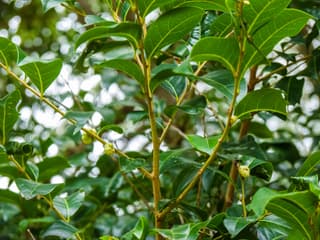
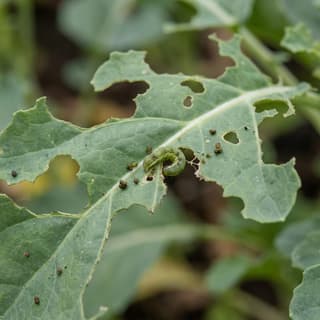
Cheese trees with Caterpillars? Rare but Treatable
Glochidion
Caterpillars on Cheese trees: What to Know?
Caterpillars on Cheese trees (Glochidion) is a pest condition with high severity. Cheese trees has low susceptibility to this disease. Caterpillars are the larval stage of moths and butterflies that feed voraciously on plant foliage, stems, flowers, and fruits. Common species include cabbage loopers, tomato hornworms, armyworms, and...
Cheese trees is a easy-care plant. Recovery from Caterpillars takes approximately 21 days with proper treatment.
Unlike most plants, Cheese trees has natural resistance to Caterpillars. Best treated with preventive measures rather than reactive treatment. Unlike fungal diseases, Caterpillars on Cheese trees responds quickly to integrated pest management.
🔍 What Does Caterpillars Look Like on Cheese trees?
- • Irregular holes and ragged edges on leaves
- • Large portions of foliage completely consumed
- • Dark cylindrical droppings (frass) on leaves and soil
- • Visible caterpillars of various sizes on plant surfaces
- • Skeletonized leaves with only veins remaining
- • Bore holes in fruits, vegetables, and flowers
- • Defoliation starting from leaf edges
- • Stunted plant growth from severe feeding damage
- • Presence of white cocoons or pupae on plants
❓ What Causes Caterpillars on Cheese trees?
- → Adult moths and butterflies laying eggs on host plants
- → Eggs hatching into hungry larvae seeking food
- → Warm weather accelerating reproduction cycles
- → Poor garden sanitation harboring overwintering pupae
- → Lack of natural predators in garden ecosystem
- → Dense plantings making detection difficult
- → Introduction from infected transplants
- → Nearby weeds serving as alternative host plants
💊 How to Treat Caterpillars on Cheese trees?
TLDR: Treat Caterpillars on Cheese trees with quick treatment (~11 days) or organic (~21 days). Cheese trees has low susceptibility to this disease.
Quick Fixes
Step 1
Hand-pick all visible caterpillars immediately and destroy in soapy water
Step 2
Mix emergency spray: 2 tablespoons dish soap + 1 quart water
Step 3
Add 1 teaspoon cayenne pepper or hot sauce to soap solution for added deterrent
Step 4
Spray solution directly on caterpillars and all leaf surfaces
Step 5
Use strong water spray from hose to physically dislodge caterpillars
Step 6
Remove severely damaged leaves and plant parts to eliminate hiding spots
Step 7
Repeat soap spray treatment every 2-3 days for one week
Step 8
Monitor plants twice daily and remove any new caterpillars immediately
Organic Treatment
Step 1
Inspect plants early morning or dusk when caterpillars are most active and visible
Step 2
Hand-pick caterpillars wearing gloves, placing them in jar of soapy water
Step 3
Check leaf undersides and stems for eggs (small clusters of white or yellow spheres) and crush them
Step 4
Mix Bacillus thuringiensis (Bt): 1-2 tablespoons per gallon of water in spray bottle
Step 5
Spray Bt solution thoroughly on all foliage, especially leaf undersides where caterpillars hide
Step 6
Apply Bt in late afternoon/evening when caterpillars are actively feeding for best results
Step 7
Reapply Bt every 5-7 days or immediately after rainfall
Step 8
Introduce beneficial insects: release ladybugs (1,500 per 1,000 sq ft), lacewings, or parasitic wasps
Step 9
Encourage natural predators by planting nectar-rich flowers (yarrow, dill, fennel) nearby
Step 10
Install bird feeders and water sources to attract insect-eating birds
Step 11
Apply diatomaceous earth around plant bases as physical barrier
Step 12
Continue monitoring and hand-picking for 3-4 weeks until no new caterpillars appear
🛡️ How to Prevent Caterpillars on Cheese trees?
TLDR: Prevent Caterpillars on Cheese trees with 9 essential preventive care practices.
- ✓ Inspect plants regularly, especially leaf undersides, for eggs and young larvae
- ✓ Remove eggs and small caterpillars by hand before populations explode
- ✓ Use floating row covers to exclude adult moths from laying eggs
- ✓ Maintain diverse plantings to attract beneficial predators
- ✓ Plant aromatic herbs (rosemary, sage, thyme) as companion plants to repel moths
- ✓ Keep garden free of plant debris and weeds that harbor pupae
- ✓ Rotate crop locations annually to break pest cycles
- ✓ Encourage birds by providing water sources and nesting sites
- ✓ Till soil in fall to expose overwintering pupae to predators and cold
🌱 How to Care for Cheese trees to Prevent Caterpillars?
💧 How to Water
Water once a week, deeply, during the first year. Once established, rain is usually enough; water in long dry spells.
☀️ Lighting
Full sun or light shade. In sun the crown grows denser.
🪴 Ideal Soil
Grows in sandy, clay or ordinary garden soil. Does best in soil with added compost that holds a little moisture.
Frequently asked questions
Can Caterpillars kill my Cheese trees?
How long does Cheese trees take to recover from Caterpillars?
Is Caterpillars contagious to other plants near Cheese trees?
Sources & References
- Caterpillar Organic Control Information – Green Harvest
- Cabbage Loopers: What Are They and How Can You Control Them? • Gardenary
- Controlling Caterpillars in the Garden | Oklahoma State University
- 8 Most Common Garden Caterpillars – Maggie's Farm Ltd
- Wikipedia - Glochidion (cheese trees, leafflower trees)
- Wikipedia - Phyllanthus (Glochidion) ferdinandi, cheese tree
- Wikipedia - Phyllanthus (Glochidion) eriocarpus
- Gardening With Angus - Glochidion ferdinandi, Cheese Tree
- Australian Plants Society - Glochidion ferdinandi
- Noosa's Native Plants - Glochidion ferdinandi