
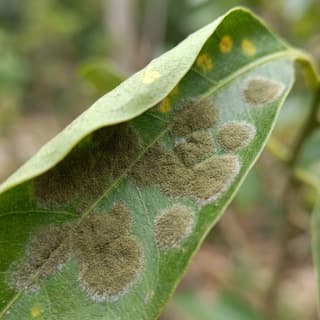
Blackberry Lily with Cladosporium Leaf Mold? Rare but Treatable
Iris domestica
Cladosporium Leaf Mold on Blackberry Lily: What to Know?
Cladosporium Leaf Mold on Blackberry Lily (Iris domestica) is a fungal condition with moderate severity. Blackberry Lily has low susceptibility to this disease. Cladosporium is a group of fungi that cause leaf spots and a soft, olive-green to dark brown, velvety growth on leaves and sometimes stems. It thrives in high humidity, poor air movement, and crowded...
Blackberry Lily is a easy-care plant.
Unlike most plants, Blackberry Lily has natural resistance to Cladosporium Leaf Mold. Best treated with preventive measures rather than reactive treatment. Unlike bacterial infections, Cladosporium Leaf Mold on Blackberry Lily can be managed with organic fungicides. Without precautions, chemical treatments for Cladosporium Leaf Mold can be harmful to pets. Use organic methods for Blackberry Lily in pet-friendly homes.
🛡️ How to Prevent Cladosporium Leaf Mold on Blackberry Lily?
TLDR: Prevent Cladosporium Leaf Mold on Blackberry Lily with 7 essential preventive care practices.
- ✓ Keep plants well-spaced and pruned for good airflow.
- ✓ Water at soil level in the morning and keep foliage as dry as possible.
- ✓ Ventilate greenhouses and indoor grow areas and use a fan or timed venting to lower humidity, especially overnight.
- ✓ Remove and dispose of fallen leaves and plant debris and disinfect tools, stakes, and ties between plants.
- ✓ Use resistant or tolerant varieties when available, for example tomato varieties with leaf mold resistance.
- ✓ Rotate crops each year and avoid planting tomatoes and peppers in the same spot consecutively.
- ✓ Start with healthy, disease-free seedlings and quarantine new houseplants for 2 weeks.
🌱 How to Care for Blackberry Lily to Prevent Cladosporium Leaf Mold?
💧 How to Water
Water regularly so the soil stays evenly moist but never soggy. Once established, the plant tolerates short dry spells, but the soil should not dry out completely during summer.
☀️ Lighting
Give it at least 6 hours of direct sun a day. It tolerates partial shade, but flowering drops significantly and stems become weak and floppy in low light.
🪴 Ideal Soil
Plant in well-drained soil, sandy, loamy, or even rocky is fine, as long as it never stays waterlogged. Wet soil in winter can be fatal to the rhizomes.